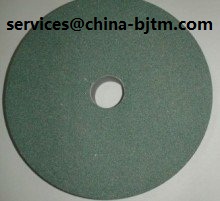
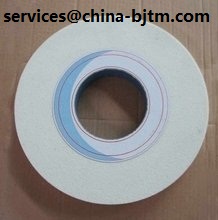
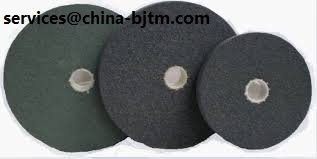
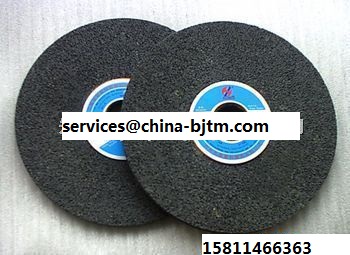
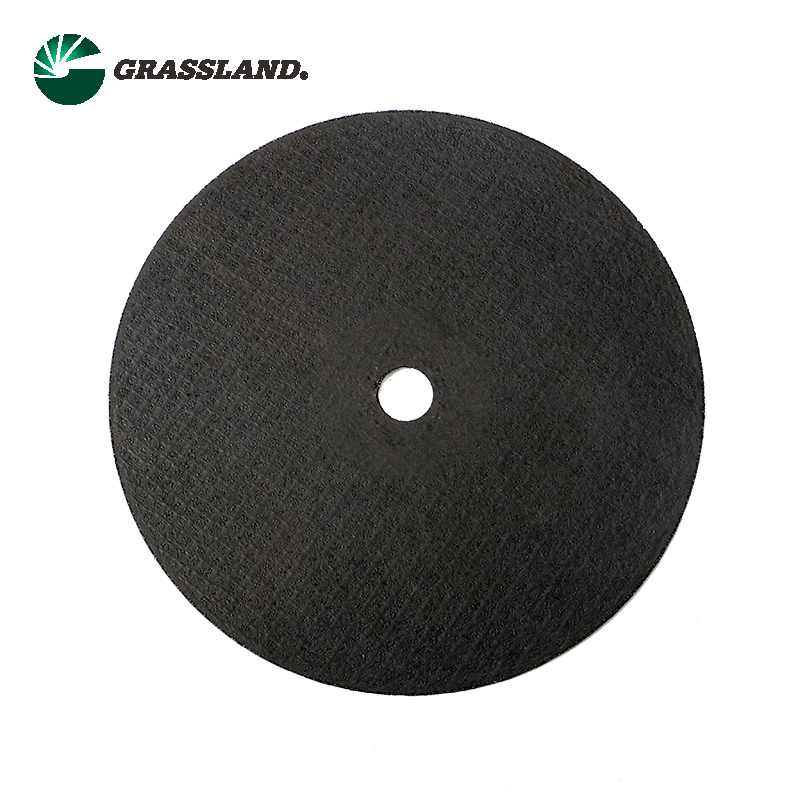
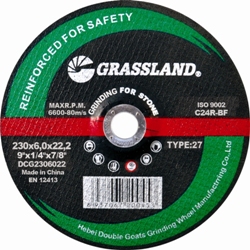
Grinding Wheels
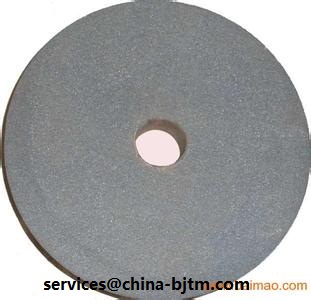
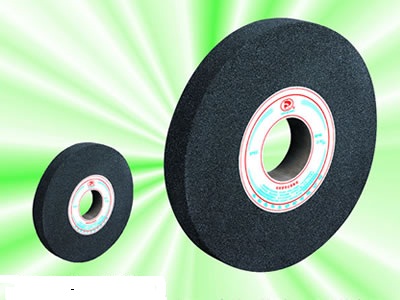
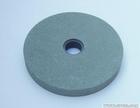
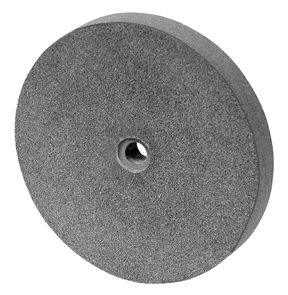
Source high-performance grinding wheels from vetted suppliers and manufacturers in China and across Asia. Designed for bulk importers, hardware distributors, and power tool brands seeking reliable OEM production, our network delivers industrial-grade abrasives at competitive wholesale volumes.
Sourcing grinding wheels at volume requires balancing aggressive unit costs with zero-tolerance safety standards. Because these are high-speed consumable abrasives, any inconsistency in the manufacturing process—from improper resin curing to uneven fiberglass reinforcement—can result in catastrophic wheel failure, operator injury, and immediate brand liability. Successfully importing these tools means looking past the surface specifications and verifying the manufacturer's batch-to-batch consistency and raw material sourcing.
Core Specifications and Abrasive Selection
Specifying grinding wheels for private label or wholesale distribution requires precise alignment of the abrasive grain, bond type, and structural reinforcement with the target end-user application.
| Abrasive Grain | Primary Application | Performance & Cost Profile |
|---|---|---|
| Aluminum Oxide (A) | Carbon steel, iron, general metalworking | Standard performance, highly economical |
| Silicon Carbide (C) | Masonry, stone, non-ferrous metals (aluminum) | Sharp and brittle, moderate cost |
| Zirconia Alumina (Z) | Heavy-duty steel, stainless steel (INOX) | Self-sharpening, high durability, premium cost |
| Ceramic Alumina | High-alloy steels, aerospace materials | Maximum stock removal, highest cost |
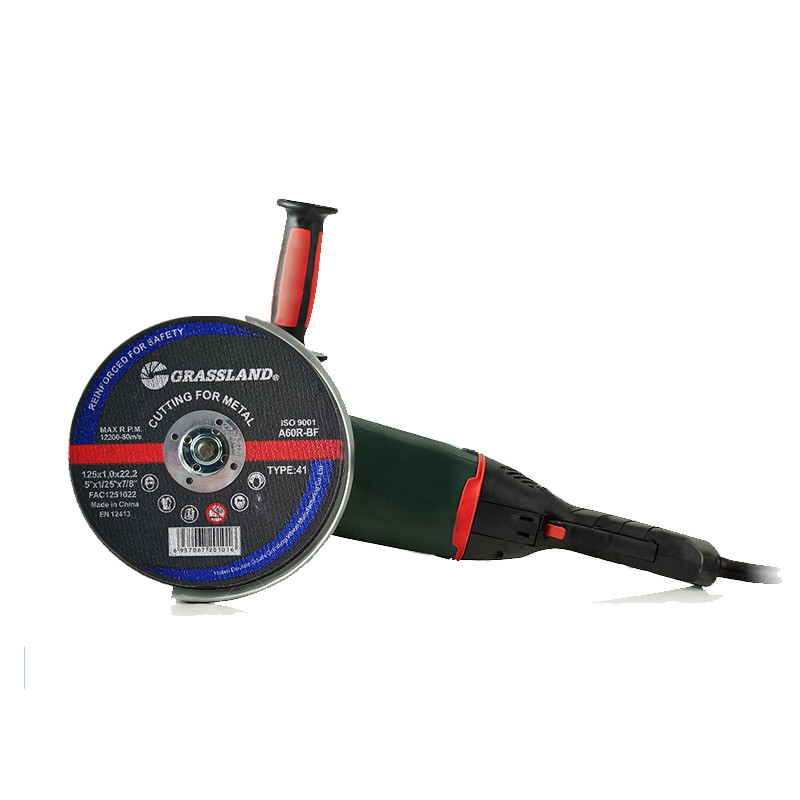
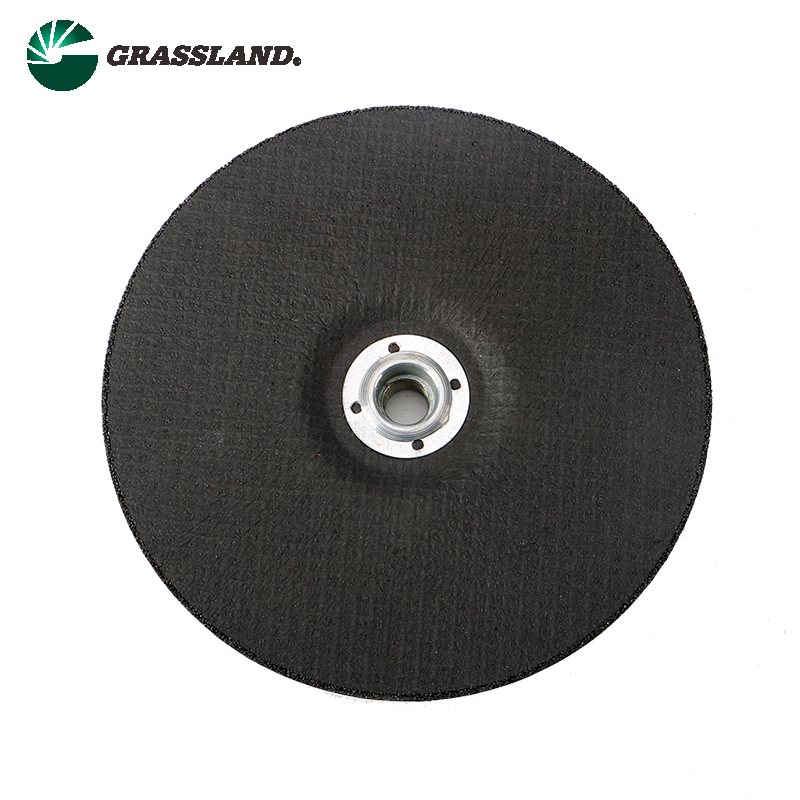
Beyond the grain, the bond dictates the wheel's structural integrity and operating speed. Most power tool grinding wheels (such as those for angle grinders) utilize a resinoid bond reinforced with fiberglass mesh. The number of fiberglass nets directly impacts the wheel's maximum operating speed and lateral strength. High-speed grinding wheels must feature at least two layers of high-tensile fiberglass mesh, while heavy-duty foundry wheels often require three or four.
Manufacturing Vulnerabilities and Quality Control
The production of resin-bonded grinding wheels involves mixing abrasive grains with phenolic resin, pressing the mixture into molds with fiberglass nets, and curing the wheels in tunnel kilns. Quality is won or lost in the pressing and curing stages.
If the press pressure is inconsistent, the wheel's density will vary, leading to severe vibration during use. If the curing temperature curve is not strictly controlled, the resin will not polymerize correctly, resulting in a brittle wheel prone to bursting.
Ensure your abrasive suppliers maintain strict temperature controls and batch testing protocols.
Talk to our teamTo mitigate these risks, implementing robust Quality Control & Inspection protocols at the factory level is non-negotiable.
Critical Factory-Level Inspections for Grinding Wheels
- Burst Speed Testing: Destructive testing to ensure the wheel can withstand speeds significantly above the rated RPM.
- Dynamic Balancing: Checking for uneven mass distribution to prevent excessive tool vibration.
- Dimensional Tolerance: Verifying thickness, outer diameter, and arbor hole diameter to ensure proper tool fit.
- Moisture Content Analysis: Ensuring resin-bonded wheels have not absorbed excess humidity before packaging.
- Ring Testing: Acoustic testing for vitrified wheels to detect internal micro-cracks.
When evaluating new suppliers, conducting comprehensive Factory Audits is essential to verify their testing equipment is calibrated and their safety certifications (such as MPA Hannover or EN 12413) are legitimate and current.
Sourcing Mechanics: MOQs, Pricing, and Lead Times
The grinding wheel supply chain is heavily concentrated in specific industrial clusters in China, particularly in Zhejiang and Henan provinces. Pricing is highly sensitive to the cost of raw abrasive grains and phenolic resins.
For brands looking to establish their own product lines, OEM/ODM Services allow for custom label printing, specific grain blends, and branded packaging. However, custom packaging often carries its own MOQ requirements, typically starting at 10,000 pieces for custom printed inner boxes.
Because abrasive wheels are dense and heavy, freight costs form a significant portion of the landed unit cost. Consolidating shipments and optimizing pallet configurations is critical for maintaining margins.
Optimize your procurement strategy with negotiated MOQs and consolidated shipping solutions.
Get a free consultationBuyer FAQ
Sourcing grinding wheels safely requires a procurement strategy that prioritizes structural integrity and batch consistency over minor unit cost savings. By partnering with vetted manufacturers who maintain rigorous internal testing and verifying compliance through independent third-party inspections, you can build a reliable, high-performance abrasive supply chain.
Get Sourcing Help for Grinding Wheels
Tell us your requirements and our experts will connect you with verified manufacturers.