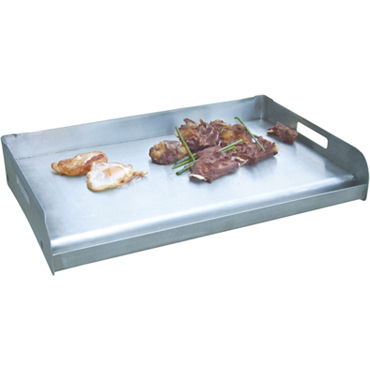
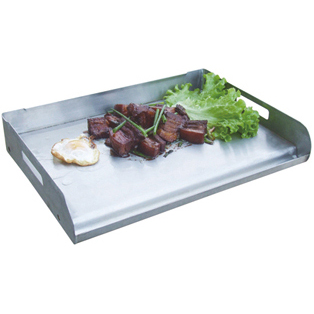
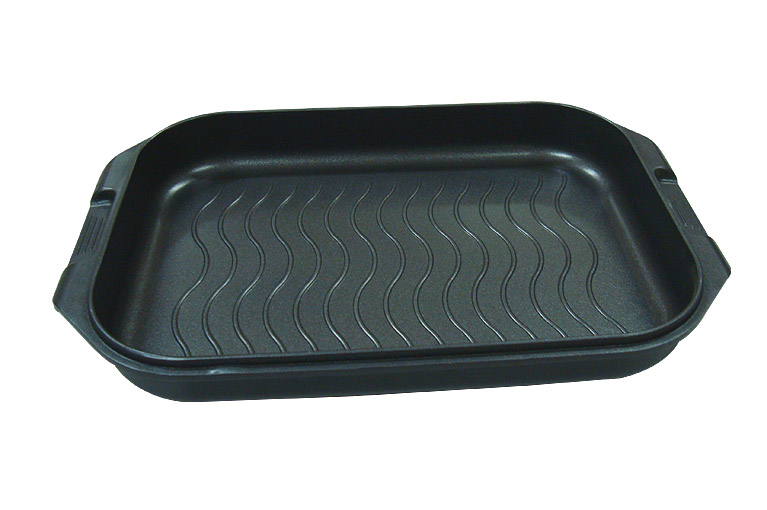
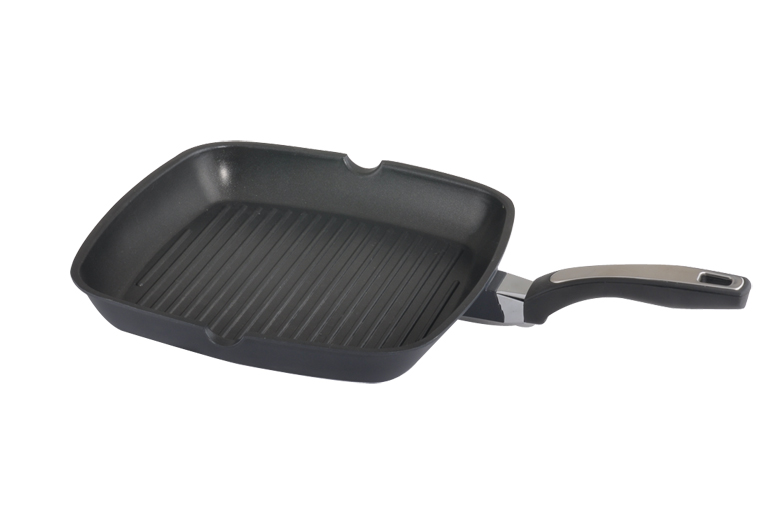
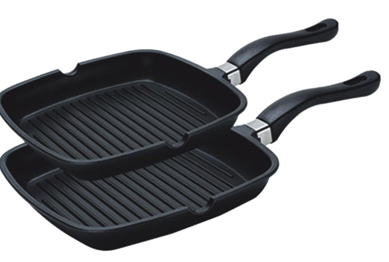
Griddles & Grill Pans
Source high-quality griddles and grill pans directly from vetted manufacturers and wholesale suppliers. Designed for importers, cookware distributors, and brands seeking reliable OEM or private-label production, our network delivers volume manufacturing with stringent quality control.
Sourcing griddles and grill pans at scale requires balancing thermal mass with manufacturing precision. Whether you are importing heavy-duty cast iron for outdoor cooking or die-cast aluminum for induction stovetops, the core challenge lies in controlling casting tolerances and coating integrity. A minor flaw in the cooling process or surface preparation can lead to warped bases or peeling non-stick layers, resulting in costly compliance failures and brand damage.
Material Selection and Manufacturing Tolerances
The foundation of any high-performing griddle or grill pan is its base material. Buyers must specify exact thicknesses and weights to ensure even heat distribution and prevent warping under high temperatures.
| Material | Standard Base Thickness | Primary Manufacturing Risk |
|---|---|---|
| Cast Iron (Pre-seasoned/Enameled) | 4.0mm - 5.0mm | Cooling warpage, surface porosity |
| Die-Cast Aluminum | 4.5mm - 6.0mm | Coating blistering, induction plate separation |
| Carbon Steel | 2.5mm - 3.5mm | Rusting before seasoning, stamping fractures |
When dealing with foundries, the critical metric is the scrap rate. High-quality factories maintain strict control over their alloy purity and pouring temperatures. For enameled cast iron, the firing temperature and the number of enamel layers directly dictate the product's resistance to thermal shock.
Struggling with inconsistent casting quality or coating failures? Let us help you establish robust production standards and vet capable foundries.
Talk to our teamPreventing Warpage and Coating Failures
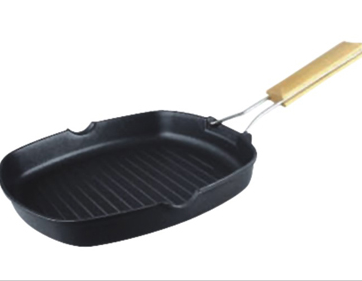
Quality control in cookware manufacturing goes far beyond visual inspection. Grill pans, given their wide surface areas, are highly susceptible to deformation. A base that bows outward (convex) will spin on a flat glass stovetop and heat unevenly. Factories must mill the base to a slight concave profile (usually under 1mm deviation) so that it expands flat when heated.
Furthermore, any applied coatings—whether PTFE, ceramic, or enamel—must meet the food contact regulations of your target market (e.g., FDA for the US, LFGB for Europe). Partnering with experts for Compliance & Testing ensures your products pass heavy metal extraction and chemical migration tests before leaving the factory.
Implementing rigorous Quality Control & Inspection during production is non-negotiable.
Critical Factory Inspection Checks
- Base flatness tolerance (must be concave, maximum 0.5% of diameter)
- Cross-hatch adhesion testing for non-stick and ceramic coatings
- Thermal shock testing for enameled surfaces (heating to 200°C then plunging into cold water)
- Induction bottom magnetic permeability and bonding strength
- Handle load-bearing and torque tests (minimum 15kg static load)
Typical MOQs, Pricing Drivers, and Production Timelines
Pricing for griddles and grill pans is heavily dependent on raw material commodity prices (aluminum, iron ore), the complexity of the mold, and the brand of the coating used. Specifying a branded non-stick coating (such as Whitford or Greblon) will increase costs and often require higher minimum order quantities, but it provides a significant marketing advantage.
If you are developing custom shapes or unique grill rib patterns, you will need OEM/ODM Services to design and open new tooling. Tooling for die-cast aluminum is generally more expensive than sand-casting molds for iron, but yields a higher production speed.
Need to negotiate better terms or develop a custom mold? We manage the factory relationship from initial tooling to final shipment.
Get a free consultationFrequently Asked Questions
Successfully importing griddles and grill pans means never compromising on thermal performance or safety compliance. By defining strict technical specifications and enforcing them on the factory floor, you protect your brand's reputation and your bottom line.
Get Sourcing Help for Griddles & Grill Pans
Tell us your requirements and our experts will connect you with verified manufacturers.