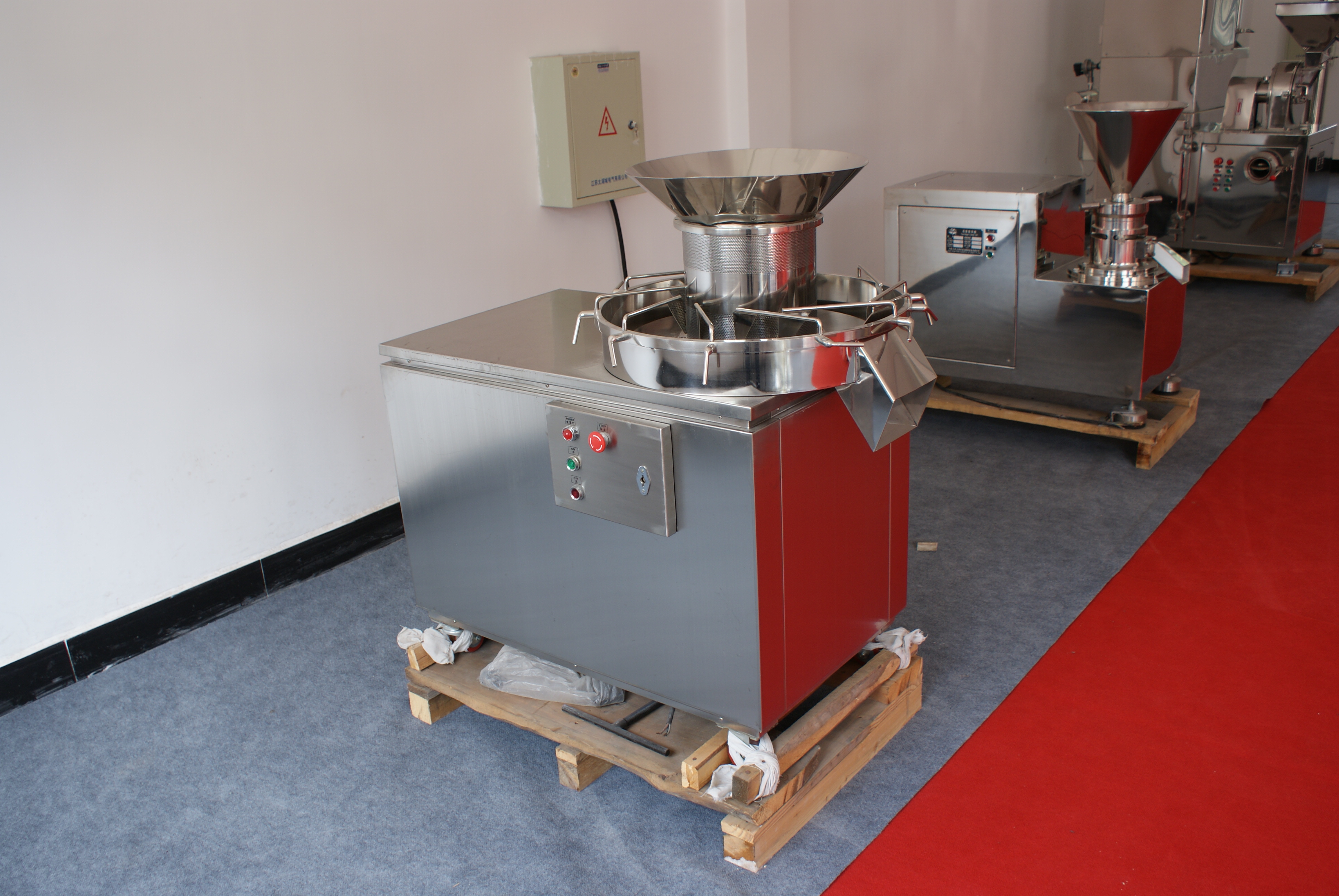
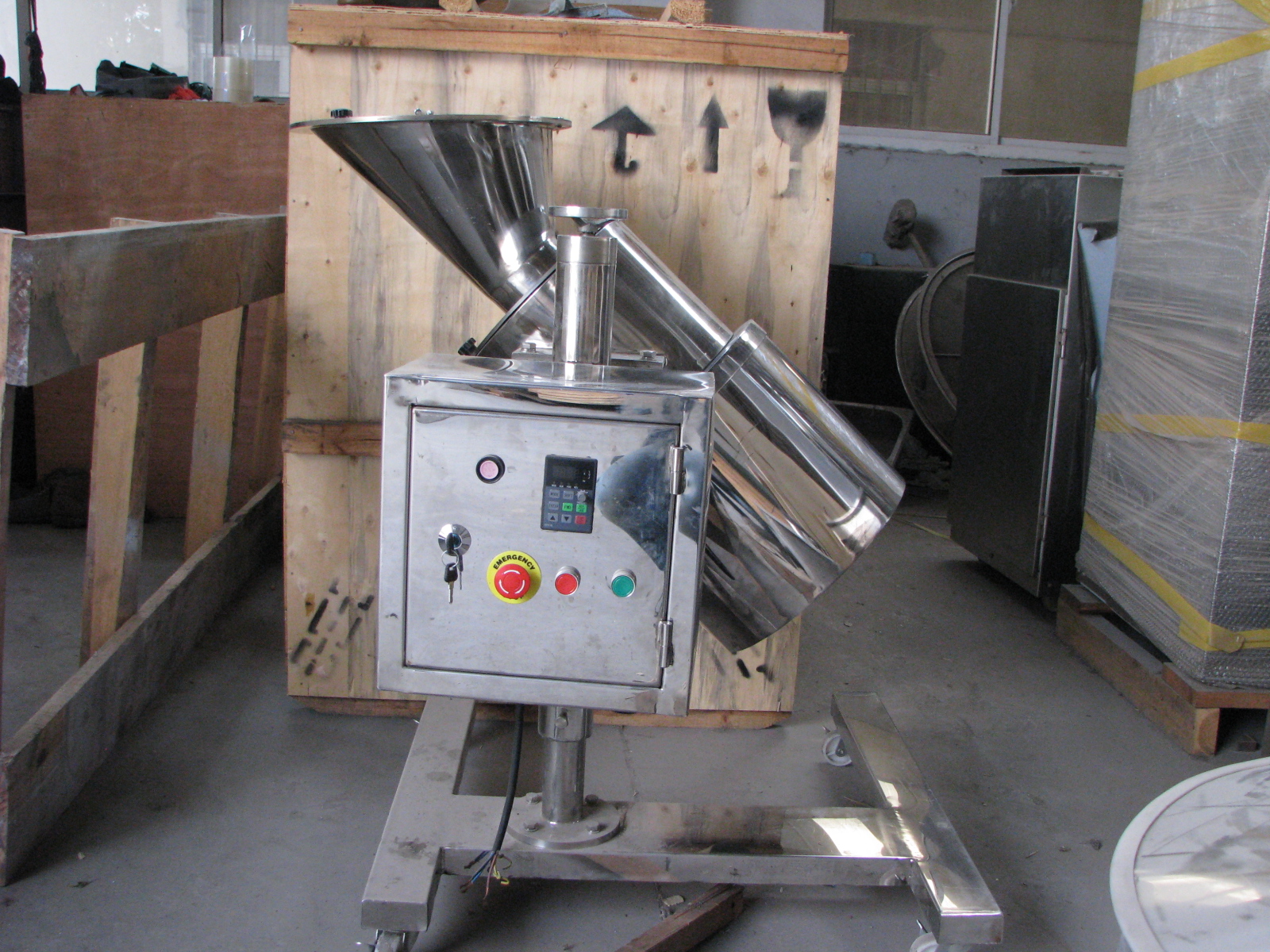
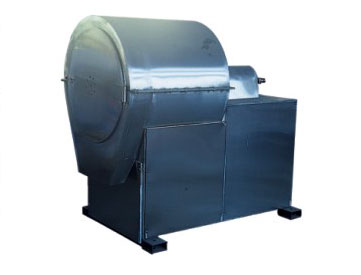
Granulators
Source industrial granulators from vetted Chinese manufacturers and suppliers. Designed for procurement managers, chemical machinery wholesalers, and OEM brands requiring high-volume, reliable granulation equipment. We connect you with proven factories capable of delivering consistent particle sizing and robust performance for your bulk import needs.
Sourcing industrial granulators requires balancing precise technical specifications with long-term mechanical reliability. Whether you are procuring wet mixing granulators for pharmaceutical applications, dry compactors for chemical processing, or heavy-duty shredder-granulators for plastics recovery, the core challenge remains the same: ensuring the factory's machining tolerances and material grades match your performance requirements. A granulator that fails to deliver uniform particle size or suffers from premature bearing wear directly impacts downstream production efficiency.
Essential Specifications for Industrial Granulators
When negotiating with manufacturers, vague specifications lead to substandard equipment. You must clearly define the parameters that dictate both throughput and durability. Chinese manufacturers offer a wide spectrum of quality, and specifying the exact components prevents factories from substituting cheaper alternatives.
Key technical parameters to define include:
- Throughput Capacity: Specify your required kg/h based on the specific bulk density of your input material, not just the machine's theoretical maximum.
- Rotor and Blade Design: The geometry of the rotor (e.g., open vs. closed, V-cut vs. straight) and the metallurgy of the blades (such as D2, SKD-11, or tungsten carbide coated) dictate the machine's ability to handle tough, abrasive, or heat-sensitive materials.
- Screen Mesh Size: Specify the required output particle size. Ensure the screen changing mechanism is designed for quick changeovers to minimize maintenance downtime.
| Parameter | Standard Chemical Machinery | GMP / Sanitary Grade |
|---|---|---|
| Contact Materials | SUS304 Stainless Steel | SUS316L (Mirror Polished) |
| Surface Finish | Ra 0.8 μm | Ra 0.4 μm or better |
| Sealing Type | Standard Mechanical Seals | Air-Purged / Sanitary Seals |
Protect your capital by partnering with experts who understand industrial machinery specifications and factory capabilities.
Get a free consultationManufacturing Quality and Defect Prevention
The difference between a machine that lasts a decade and one that vibrates itself to pieces in a month lies in the factory's machining precision and assembly protocols. Relying solely on a supplier's brochure is risky; verifying their production floor is critical. Conducting thorough Factory Audits ensures the manufacturer has the necessary CNC equipment and dynamic balancing machines to produce high-speed rotating equipment safely.
Critical Pre-Shipment Inspection Points
- Dynamic Rotor Balancing: Verify the rotor has been dynamically balanced at operating speeds to prevent excessive vibration.
- Motor & Gearbox Verification: Confirm the installation of specified tier-one brands (e.g., Siemens, SEW) rather than domestic equivalents.
- Bearing Housing Integrity: Check for proper water-cooling channels (if specified) and ensure bearings are isolated from the cutting/mixing chamber.
- Safety Interlocks: Test all limit switches, emergency stops, and hopper safety mechanisms.
- Control Panel (PLC/HMI): Ensure wiring matches international standards (CE/UL) and the software is in the requested language.
Implementing rigorous Quality Control & Inspection during assembly and prior to shipment is the only way to catch deviations before the machine leaves the factory floor.
Pricing, MOQs, and Lead Times
Industrial granulators are capital equipment, meaning purchasing dynamics differ significantly from standard consumer goods.
Pricing is highly dependent on the motor size (kW), the grade of stainless steel used, and the integration of advanced PLC controls. A standard rotary granulator for basic chemical processing will have a vastly different cost structure than a fully automated, WIP-capable (Wash-In-Place) wet granulation line. Because these machines are heavy and bulky, you must also factor in specialized handling and secure tie-downs when arranging Shipping & Freight. Flat-rack containers or LCL crating are often required.
Need accurate pricing and lead times for a complete granulation line? Let us negotiate directly with top-tier manufacturers on your behalf.
Talk to our teamBuyer FAQ
Procuring industrial granulators is an exercise in risk management and technical validation. Success requires moving beyond surface-level pricing to deeply evaluate a manufacturer's engineering capabilities, machining tolerances, and adherence to international safety standards.
Get Sourcing Help for Granulators
Tell us your requirements and our experts will connect you with verified manufacturers.