GPS Modules
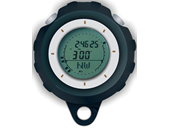
Source high-performance GPS modules directly from vetted manufacturers and suppliers in China and across Asia. Designed for electronics distributors, procurement managers, and brands requiring reliable OEM and ODM production, our wholesale network delivers precision positioning components for IoT, automotive, and consumer applications.
Sourcing GPS modules in bulk requires balancing positional accuracy, power consumption, and form factor against strict unit costs. The Asian component market offers everything from ultra-low-power standalone chips for wearables to high-precision RTK (Real-Time Kinematic) modules for commercial drones and fleet management. However, navigating chipset allocations, antenna tuning capabilities, and firmware stability across hundreds of factory floors demands rigorous technical vetting.
Critical Specifications for Bulk Buyers
When specifying GPS or GNSS (Global Navigation Satellite System) modules for mass production, the underlying chipset (often from manufacturers like u-blox, MediaTek, or Airoha) dictates baseline performance. However, the module manufacturer's integration of the RF front-end, shielding, and firmware determines how that chipset performs in the real world.
Key performance indicators to specify include:
- Tracking Sensitivity: Measured in dBm. Industrial modules typically offer tracking sensitivity of -165 dBm to -167 dBm. Lower numbers indicate better ability to maintain a fix in urban canyons or under dense foliage.
- Time to First Fix (TTFF): Crucial for battery-powered devices. Look for cold starts under 30 seconds and hot starts under 2 seconds.
- Constellation Support: While basic modules only support GPS (US), modern GNSS modules support concurrent reception of GPS, GLONASS (Russia), Galileo (Europe), and BeiDou (China), significantly improving fix reliability.
- Power Consumption: Measured in mA during acquisition and tracking phases. Wearable IoT devices require deep-sleep modes drawing under 20 uA.
| Module Type | Typical Accuracy | Primary Constellations | Best For |
|---|---|---|---|
| Standalone GPS | 2.5m to 3m | GPS Only | Low-cost consumer electronics, basic asset tracking |
| Multi-GNSS | 1.5m to 2.5m | GPS, GLONASS, Galileo, BeiDou | Automotive, fleet management, smartwatches |
| RTK / High-Precision | Centimeter-level | All + RTCM corrections | Drones, precision agriculture, surveying equipment |
Manufacturing Quality and RF Engineering
A GPS module is highly sensitive to electromagnetic interference (EMI). The difference between a reliable module and one with constant signal dropouts often comes down to the manufacturer's PCB layout and RF shielding capabilities.
Assessing a factory's surface-mount technology (SMT) lines and testing protocols is essential. Relying on thorough factory audits ensures the supplier has the necessary anechoic chambers and RF signal generators to test modules properly, rather than simply relying on visual inspections.
Factory Evaluation Checklist for GPS Modules
- Verify the presence of dedicated RF testing equipment (e.g., GNSS simulators).
- Check for automated optical inspection (AOI) and X-ray inspection on the SMT line.
- Ensure proper EMI shielding cans are automatically placed and securely soldered.
- Review firmware flashing procedures and version control protocols.
- Evaluate static sensitivity (ESD) protocols on the factory floor.
Struggling to verify the RF testing capabilities of your shortlisted suppliers? Let our engineering and sourcing experts evaluate factory floors on your behalf.
Talk to our teamWholesale Pricing, MOQs, and Lead Times
Pricing for GPS modules is heavily dependent on the chipset brand, the inclusion of an integrated antenna (patch or chip), and the required precision level. Standard multi-GNSS modules can range from a few dollars for high-volume consumer grades to significantly more for specialized RTK or dead-reckoning modules.
Chipset shortages can drastically impact both pricing and lead times in this category. Securing stable supply lines often requires forecasting demand months in advance. Implementing strict quality control and inspection before the components are shipped ensures that the modules arriving at your final assembly facility meet the agreed-upon sensitivity and power specifications, preventing costly rework down the line.
Compliance and Regulatory Certifications
Because GPS modules are radio frequency receivers, they are subject to strict regulatory frameworks depending on your target market. Even if the module only receives signals and does not transmit, it must pass unintentional radiator testing.
Ensure your supplier can provide valid test reports for CE (Europe) and FCC (United States). If you are integrating the module into a larger transmitting device (like a cellular tracker), the module's EMI profile will impact your final product's certification. Utilizing professional compliance and testing services early in the sourcing process mitigates the risk of customs seizures or delayed market launches.
Need to secure a reliable supply of certified GNSS modules? We manage pricing negotiations, component testing, and compliance verification.
Get a free consultationFrequently Asked Questions
Sourcing electronic components at scale requires moving beyond basic datasheet comparisons to actively verifying factory testing environments and supply chain stability. By partnering with experienced sourcing professionals, you can secure high-performance GPS modules that arrive on time, within budget, and ready for immediate integration.
Get Sourcing Help for GPS Modules
Tell us your requirements and our experts will connect you with verified manufacturers.