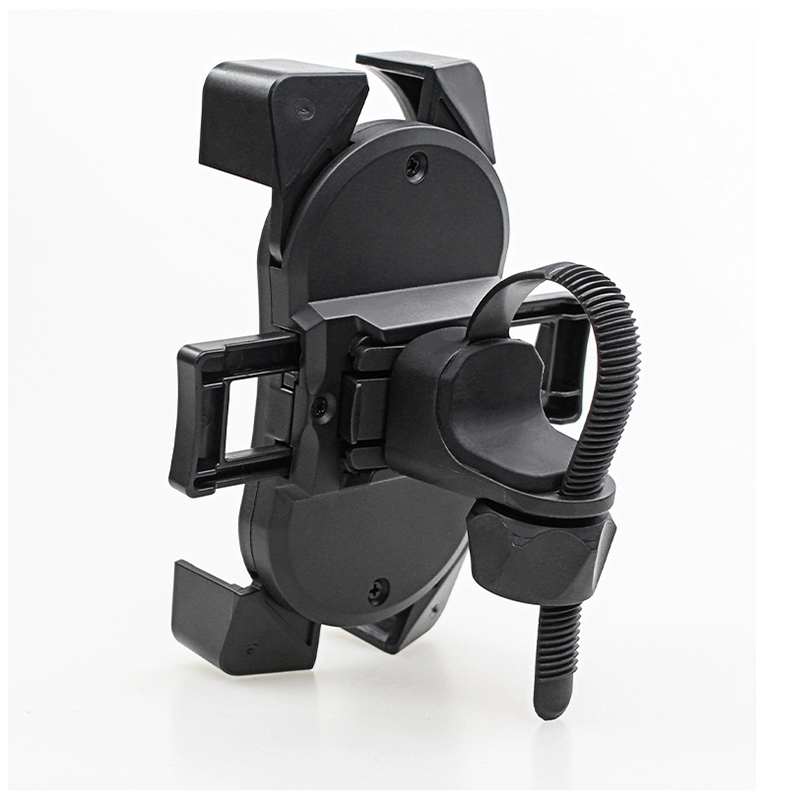
GPS Invigation
Source high-quality GPS Invigation systems directly from vetted manufacturers and suppliers. Designed for importers, cycling brands, and wholesale distributors seeking reliable OEM and private-label production. Secure competitive bulk pricing and stringent quality control for your outdoor and cycling accessory lines.
Sourcing GPS Invigation devices for the cycling and outdoor market requires balancing complex electronic hardware with rugged, weather-resistant physical enclosures. The primary sourcing challenge is not simply finding a factory that can assemble components, but identifying a manufacturer capable of delivering stable firmware, rapid satellite acquisition, and reliable companion app connectivity at scale.
For volume buyers, success depends on specifying the right internal components—specifically the GNSS chipset and battery management system—while ensuring strict assembly protocols are followed to guarantee waterproofing and screen durability.
Core Hardware Specifications
When negotiating with suppliers, the bill of materials (BOM) drives your unit cost. Relying on "off-the-shelf" factory specifications often leads to sub-par battery life or dropped signals under heavy tree cover. You must specify the exact performance parameters for your target market.
- GNSS Chipsets: Tier-one devices utilize multi-band, multi-satellite chips (GPS, GLONASS, Galileo, BeiDou) from manufacturers like U-blox or Airoha. Lower-cost units often rely on single-band GPS, which severely impacts accuracy.
- Connectivity Protocols: Ensure the mainboard supports both Bluetooth Low Energy (BLE) and ANT+ if the device needs to pair with power meters, heart rate monitors, or electronic shifting systems.
- Battery Capacity: Measured in mAh, but real-world battery life depends heavily on the screen technology and chipset efficiency. Specify a minimum continuous runtime (e.g., 20+ hours) rather than just battery size.
| Screen Technology | Sunlight Visibility | Power Consumption | Target Market |
|---|---|---|---|
| FSTN Monochrome | Excellent | Very Low | Entry-Level / Commuter |
| Memory-in-Pixel (MIP) | Excellent | Low | Mid to High-End Enthusiast |
| IPS LCD / OLED | Fair to Good | High | Premium / Touring |
Struggling to verify chipset authenticity or negotiate BOM costs? Get expert guidance on sourcing reliable cycling electronics.
Talk to our teamManufacturing Tolerances and Quality Control
The factory floor is where a well-designed GPS Invigation unit either succeeds or fails. Dust contamination under the screen and compromised waterproof seals are the two most common defects in this category.
Before committing to a production run, conducting thorough Factory Audits is essential to verify that the supplier utilizes Class 10,000 (or better) dust-free cleanrooms for LCD lamination.
Critical Inspection Points
Implement a rigorous Quality Control & Inspection protocol that goes beyond basic power-on tests.
Pre-Shipment QC Requirements
- IPX7 Submersion Testing: Units must survive immersion in 1 meter of water for 30 minutes.
- Cold Start Acquisition Time: Device must lock onto satellites in under 45 seconds outdoors.
- Battery Drain Test: Measure standby and active power draw against the agreed BOM specs.
- Vibration Testing: Simulate rugged cycling conditions to ensure internal solder joints hold.
- ANT+/BLE Pairing Verification: Test connectivity with standard third-party cycling sensors.
OEM and ODM Customization
Most B2B buyers in the cycling sector utilize OEM/ODM Services to differentiate their products.
If you are white-labeling an existing factory mold (ODM), your primary customization will be software-based. This includes custom boot screens, localized language packs, and API integration with your proprietary cycling app or third-party platforms like Strava. If you are developing a custom enclosure (OEM), expect to pay tooling costs for injection-molded plastics and custom silicone button pads. Ensure your contract clearly outlines who owns the IP for the custom molds and firmware modifications.
Pricing, MOQs, and Lead Times
Electronics manufacturing operates on strict economies of scale. Component shortages in the global semiconductor market can also heavily influence lead times.
Unit costs vary drastically. Basic monochrome units with single-band GPS can range from $15 to $25 per unit wholesale. Advanced color-screen models with routing capabilities, multi-band GNSS, and robust app ecosystems typically range from $60 to $120+ per unit, depending on order volume and licensing fees.
Optimize your unit costs and secure favorable terms with tier-one electronics manufacturers.
Get a free consultationFrequently Asked Questions
Sourcing cycling electronics is as much a software challenge as it is a hardware procurement task. By rigorously vetting a supplier's engineering capabilities and implementing strict testing protocols for environmental durability, you can build a highly profitable, reliable product line that stands up to the demands of modern cyclists.
Get Sourcing Help for GPS Invigation
Tell us your requirements and our experts will connect you with verified manufacturers.