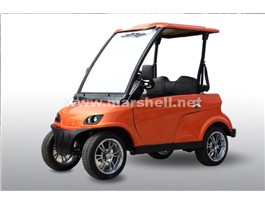
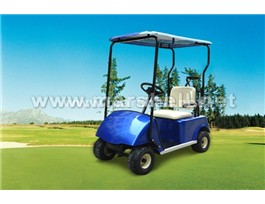
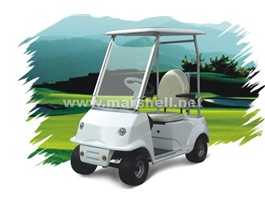
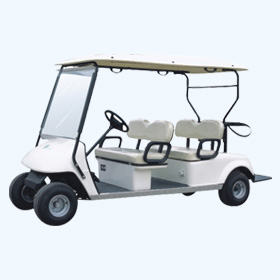
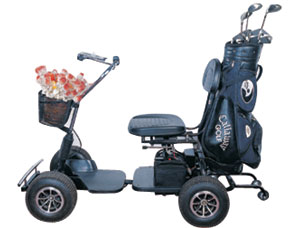
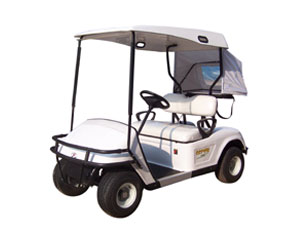
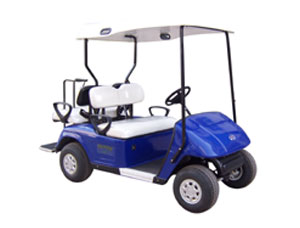
Golf Carts
Source premium Golf Carts directly from vetted manufacturers and wholesale suppliers in Asia. Designed for importers, distributors, and brands seeking reliable OEM and private-label production, our network delivers high-performance electric and gas utility vehicles built to rigorous international standards.
Procuring golf carts in volume requires balancing drivetrain reliability, chassis durability, and battery performance. For distributors, fleet buyers, and private-label brands, the primary sourcing challenge lies in distinguishing true manufacturers with in-house engineering and testing facilities from localized assemblers who rely on mismatched, off-the-shelf components. Success depends on strictly defining your technical specifications and verifying production quality at the source.
Drivetrain and Chassis Specifications
The core of any reliable golf cart is its drivetrain architecture and chassis material. When negotiating with factories, specifying the exact brands and types of critical components prevents unauthorized substitutions that can drastically reduce fleet lifespan.
| Subsystem | Standard Build | Premium / Fleet Build |
|---|---|---|
| Motor & Controller | 48V DC / Generic Controller | 48V or 72V AC / Curtis or Toyota Controller |
| Power Source | Lead-Acid (Deep Cycle) | Lithium-Iron Phosphate (LiFePO4) with BMS |
| Chassis Material | Welded Steel (Powder Coated) | Aluminum or Hot-Dip Galvanized Steel |
| Suspension | Leaf Spring with Hydraulic Shocks | Independent MacPherson Strut |
The Shift to AC Motors and Lithium Power
Modern fleet buyers increasingly specify AC (Alternating Current) motors over traditional DC setups. AC motors offer superior torque, regenerative braking efficiency, and require zero brush maintenance. Paired with LiFePO4 battery packs, these carts deliver longer ranges, faster charging times, and significantly lower overall weight. When sourcing lithium-powered carts, ensure the factory uses A-grade cells and a robust Battery Management System (BMS) to prevent thermal events and cell degradation.
Need help verifying a manufacturer's engineering capabilities and component supply chain?
Talk to our teamManufacturing Quality and Factory Vetting
Golf cart manufacturing hubs in China (predominantly in Jiangsu and Guangdong provinces) offer varying levels of production sophistication. A factory's welding, anti-corrosion treatment, and assembly line protocols dictate the final product's durability.
Before committing to a high-volume order, conducting comprehensive factory audits is essential to confirm the supplier has automated welding capabilities and proper testing equipment (such as chassis dynamometers and salt-spray testing chambers).
Where Quality is Won or Lost
- Chassis Anti-Corrosion: Paint alone is insufficient. The best manufacturers utilize an electrophoresis (e-coating) process or hot-dip galvanizing before powder coating to prevent internal rust.
- Wiring Harnesses: Poorly routed or unsealed wiring leads to electrical shorts, especially in humid environments. Connectors should be waterproof (e.g., AMP or Delphi style).
- Steering Racks: Inferior steering boxes wear quickly, resulting in excessive play. Rack-and-pinion systems must be precision-machined and properly lubricated prior to assembly.
Pre-Shipment Inspection Focus Areas
- Verify motor and controller serial numbers match the approved specification sheet.
- Inspect chassis welds for porosity and verify e-coating thickness.
- Test BMS parameters and battery charge/discharge cycles.
- Perform a dynamic test for braking distance, steering alignment, and suspension noise.
- Check all waterproof seals on the dashboard and lighting harnesses.
Implementing strict quality control protocols before the carts are packed into containers is the only way to avoid receiving a fleet requiring immediate aftermarket repairs.
Customization and OEM Capabilities
For brands looking to establish their own line of vehicles, leveraging OEM/ODM services allows for extensive customization. This goes beyond simple color changes. Factories can modify wheelbases for 6-to-8 passenger configurations, integrate custom fiberglass or injection-molded cowlings, and add lift kits for off-road applications. However, structural modifications require the factory to possess strong R&D capabilities to ensure the center of gravity and braking systems remain safe.
Order Mechanics: MOQ, Pricing, and Shipping
Golf carts are capital-intensive and take up significant shipping volume. Pricing is heavily dependent on the battery type, motor controller brand, and current raw material costs (steel and aluminum).
Because you are shipping large vehicles, freight optimization is critical. Carts can be shipped CBU (Completely Built Up) for immediate use, or SKD (Semi-Knocked Down)—where roofs, windshields, and sometimes wheels are removed—to maximize container density. Coordinating with experts in shipping and freight ensures you select the right packing method to balance assembly labor costs at your destination against ocean freight savings.
Optimize your container loading strategies and landed costs with our logistics experts.
Get a free consultationFrequently Asked Questions
Sourcing golf carts successfully means looking past the glossy exterior to scrutinize the engineering, component selection, and quality management systems of the factory. By defining rigorous specifications and enforcing strict inspections, you can secure reliable vehicles that deliver long-term value.
Get Sourcing Help for Golf Carts
Tell us your requirements and our experts will connect you with verified manufacturers.