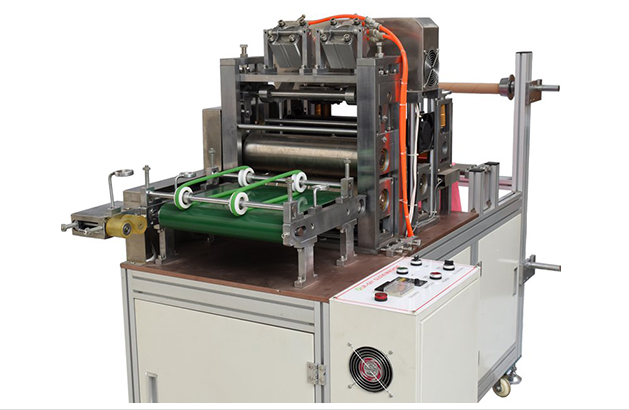
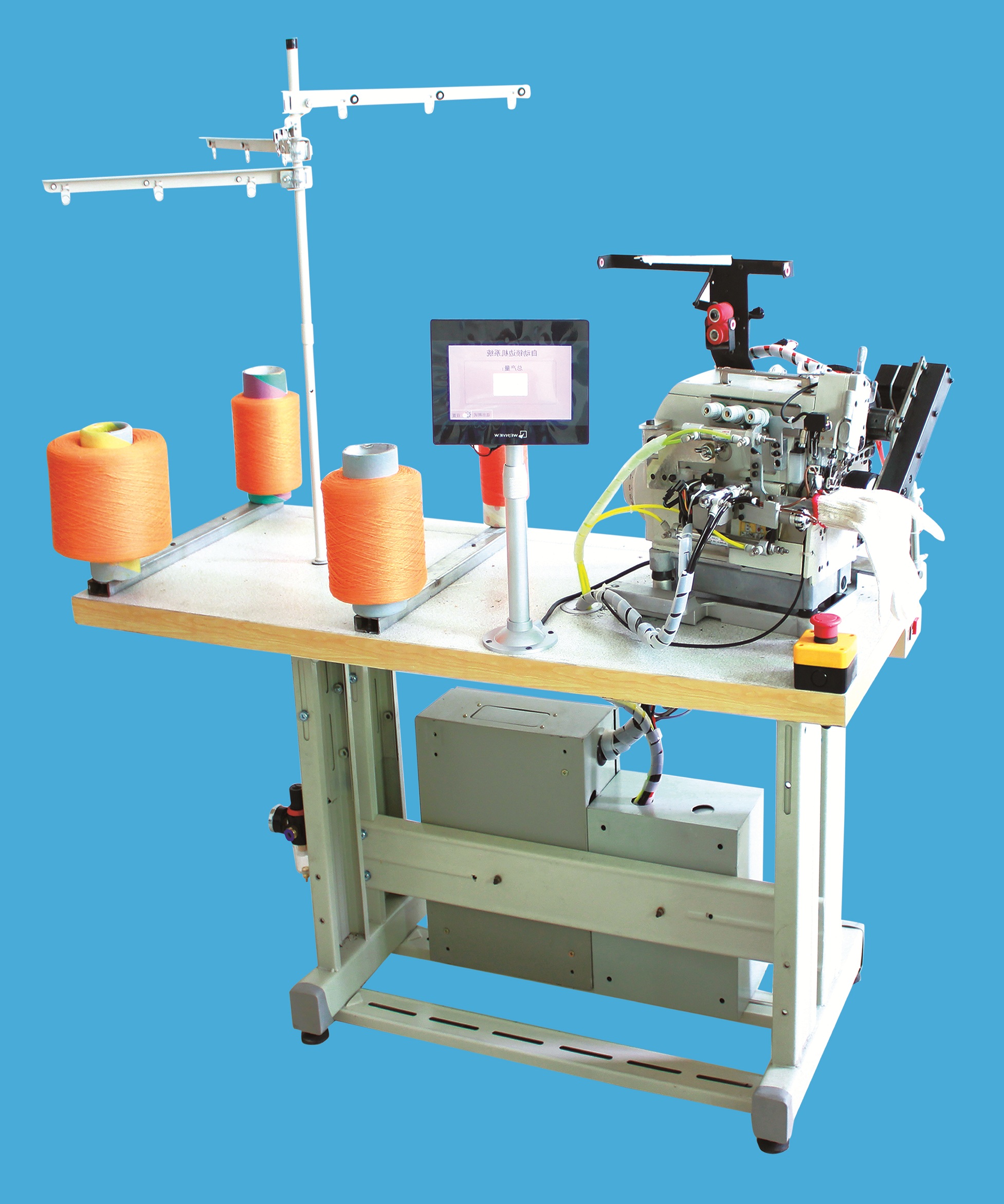
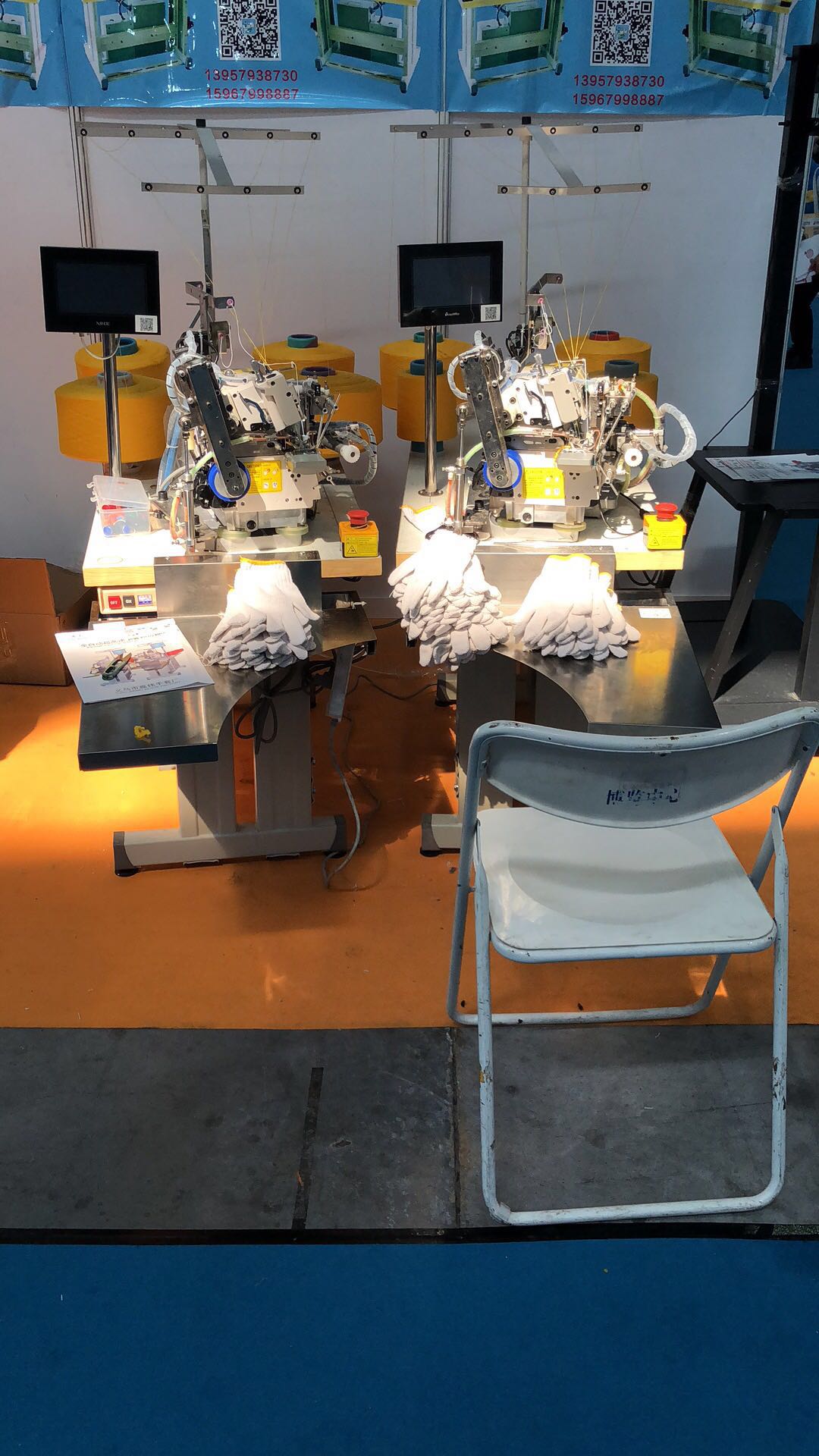
Glove Making Machines
Source high-performance Glove Making Machines directly from vetted manufacturers and factories in Asia. Designed for importers, distributors, and industrial procurement managers, our network provides access to reliable computerized knitting machines and automated dipping lines for high-volume and OEM production.
Procuring capital equipment like glove making machines requires a rigorous approach to technical specifications, component quality, and supplier reliability. Whether you are outfitting a new facility with computerized seamless knitting machines or upgrading an automated nitrile dipping line, the total cost of ownership is dictated by machine uptime, defect rates, and spare parts availability.
Core Specifications: Matching Gauge to Application
The most critical specification for a seamless glove knitting machine is its gauge (G), which defines the number of needles per inch on the needle bed. The gauge determines the thickness, dexterity, and application of the final glove. Sourcing the wrong gauge for your target market will result in unmarketable inventory.
| Machine Gauge | Glove Characteristics | Primary Applications |
|---|---|---|
| 7G & 10G | Thick, heavy, lower stitch density | Heavy-duty construction, basic cotton work gloves |
| 13G | Medium weight, good balance of protection and dexterity | General assembly, PU/nitrile coated work gloves |
| 15G & 18G | Ultra-thin, high stitch density, maximum tactile feedback | Precision electronics, medical, high-end cut-resistant gloves |
When specifying machines, you must also confirm the carriage stroke speed and the power consumption (typically ranging from 0.25 kW to 0.5 kW per knitting machine).
Sourcing capital equipment requires rigorous technical vetting. Let us help you verify supplier engineering capabilities and secure reliable machinery.
Talk to our teamComponent Quality and Machine Lifespan
The difference between a machine that runs for a decade and one that requires constant maintenance lies in the internal components. When evaluating a manufacturer, pay attention to the origin and quality of the following parts:
- Needle Beds and Sinkers: These must be forged from high-carbon steel and precision-milled. Inferior metals warp under continuous high-speed operation, leading to dropped stitches and frequent needle breakage.
- Stepper Motors and Servos: Reliable yarn feeding and carriage movement rely on high-quality motors. Look for machines utilizing reputable motor brands rather than unbranded generic alternatives.
- Control Systems (PLC): The Programmable Logic Controller is the brain of the machine. Ensure the PLC interface supports English (or your local language) and has a track record of stable firmware.
- Lubrication Systems: Fully automated, centralized oiling systems are standard on premium machines. Manual or poorly distributed lubrication leads to premature wear of the needle bed.
Because defects in machinery are incredibly costly to fix after export, conducting thorough Quality Control & Inspection prior to container loading is non-negotiable. This includes running the machine on the factory floor for several hours to monitor output consistency.
Knitting Machines vs. Automated Dipping Lines
While computerized knitting machines are compact, standalone units that can be purchased in small batches, automated dipping lines (for latex, nitrile, or PU coatings) are massive, custom-built installations.
Dipping lines can exceed 100 meters in length and require complex integration of chain conveyors, coagulant tanks, dipping tanks, and curing ovens. Sourcing a dipping line is a major infrastructure project. Before committing capital to a dipping line manufacturer, comprehensive Factory Audits are essential to verify their engineering capacity, past installation success, and financial stability.
Pricing Drivers, MOQs, and Lead Times
Machinery pricing fluctuates based on component origin, automation level, and production capacity.
While you can purchase a single knitting machine, the logistics of shipping heavy equipment make Full Container Loads (FCL) much more economical. A standard 20ft container can typically hold between 24 to 30 computerized knitting machines, depending on the model and packaging. Coordinating the loading and securing of these machines requires specialized Shipping & Freight expertise to prevent transit damage.
Need help negotiating warranty terms or managing the freight for heavy industrial machinery? Connect with our sourcing specialists.
Get a free consultationFrequently Asked Questions
Successful procurement of glove making machinery extends far beyond the initial purchase price. By focusing on component durability, securing a robust spare parts agreement, and rigorously inspecting the equipment before shipment, you can ensure a reliable production line that delivers a strong return on investment.
Get Sourcing Help for Glove Making Machines
Tell us your requirements and our experts will connect you with verified manufacturers.