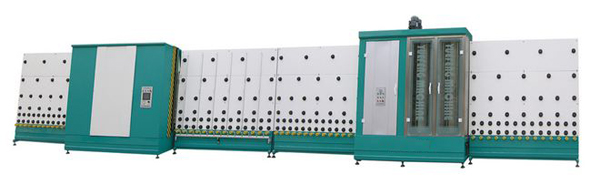
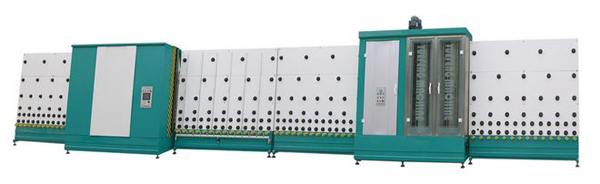
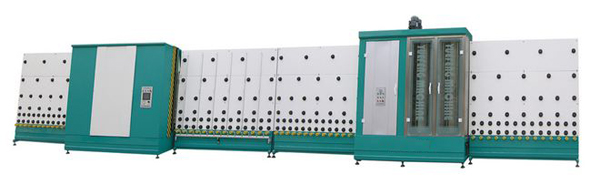
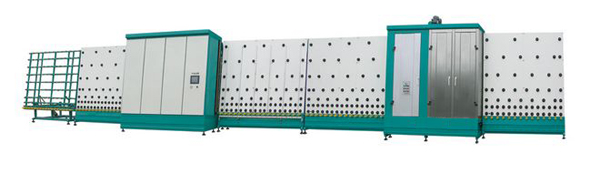
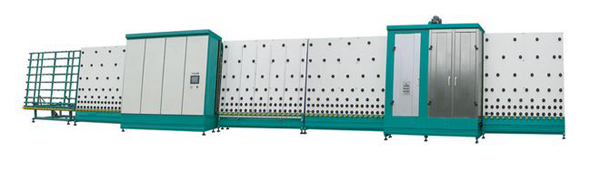
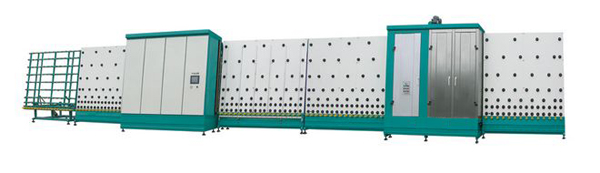
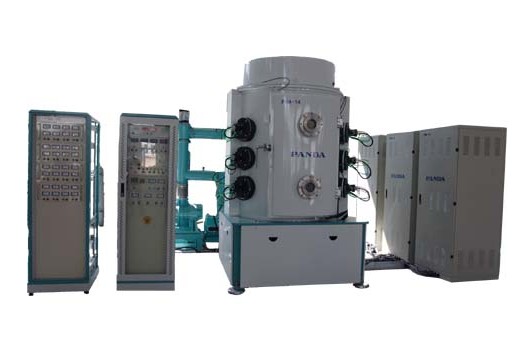
Glass Processing Machinery
Source industrial-grade Glass Processing Machinery from vetted Chinese manufacturers and suppliers. Designed for importers, distributors, and procurement managers, our network provides reliable equipment for bulk wholesale and custom OEM production, ensuring precision and long-term operational stability.
Sourcing heavy machinery like glass processing equipment requires balancing upfront capital expenditure with long-term operational reliability. Whether you are importing edging machines, washing lines, or CNC glass working centers, the core challenge lies in verifying that a manufacturer's component choices and assembly standards translate to consistent precision on the factory floor.
Evaluating suppliers goes beyond comparing spec sheets; it requires a deep understanding of frame rigidity, electrical component sourcing, and the factory's internal quality management systems.
Key Technical Specifications to Define
When negotiating with manufacturers, vague requirements lead to substandard builds. Professional buyers must specify exact operational parameters to ensure the machinery meets local production demands.
- Spindle Configuration & Motor Power: For edging and beveling machines, the number of spindles directly dictates the finish quality and processing speed. Specify the motor brand (e.g., ABB or top-tier domestic equivalents) and power rating.
- Control Systems: Distinguish between basic relay controls, PLC (Programmable Logic Controller), and full CNC systems. Specify preferred international brands for electrical components (Schneider, Siemens, Omron) to ensure local replacement availability.
- Processing Dimensions: Clearly define the minimum and maximum glass thickness (e.g., 3mm to 19mm) and maximum sheet size capabilities.
- Voltage and Frequency: Machinery must be custom-wired for the destination market (e.g., 380V/50Hz for Europe, 480V/60Hz for parts of North America).
Need help verifying technical specifications with Chinese machinery manufacturers? Ensure your next order meets exact production requirements.
Talk to our teamManufacturing Quality & Component Selection
The durability of glass processing machinery is won or lost in the structural foundation and rust prevention. Glass processing involves constant exposure to water and abrasive glass dust, making material selection critical.
Look for manufacturers that use heavy-duty cast iron bases or thick welded steel frames that have been properly annealed to relieve stress. Lighter frames vibrate during high-speed grinding, leading to edge chipping and premature bearing failure. Because verifying these structural details remotely is difficult, conducting thorough Factory Audits is essential to assess a supplier's machining and fabrication capabilities before placing a deposit.
Critical Factory Inspection Points
- Frame construction and stress-relief treatments (annealing).
- Waterproofing of electrical cabinets and rust-resistant paint application.
- Concentricity and run-out tolerance of grinding spindles.
- Quality of water circulation and filtration systems.
- Authenticity of CE or UL certifications for electrical components.
Catching assembly errors after the machine has shipped is a costly mistake. Implementing rigorous Quality Control & Inspection prior to shipment—including a continuous dry-run and wet-run test—is the only way to guarantee operational readiness.
Sourcing Mechanics: Pricing, MOQ, and Lead Times
The industrial machinery sector operates on different mechanics than standard consumer goods. Customization is standard, and production schedules must be closely managed.
Pricing is heavily influenced by the level of automation and the origin of the core components. A machine utilizing imported Japanese or European servomotors and PLCs will command a premium over one using domestic Chinese alternatives, but often yields a lower total cost of ownership due to reduced downtime.
Logistics also play a major role in landed costs. Oversized glass tempering furnaces or large CNC centers often require flat rack or open-top containers, requiring specialized Shipping & Freight coordination to manage heavy-lift loading and complex customs clearance.
Managing heavy machinery logistics and complex customs clearance? Let us handle the end-to-end freight process.
Get a free consultationFrequently Asked Questions
Successfully importing glass processing machinery requires looking past the initial quotation to evaluate the structural integrity, component reliability, and the manufacturer's quality control processes. Securing the right equipment ensures your production lines run efficiently with minimal unexpected downtime.
Get Sourcing Help for Glass Processing Machinery
Tell us your requirements and our experts will connect you with verified manufacturers.