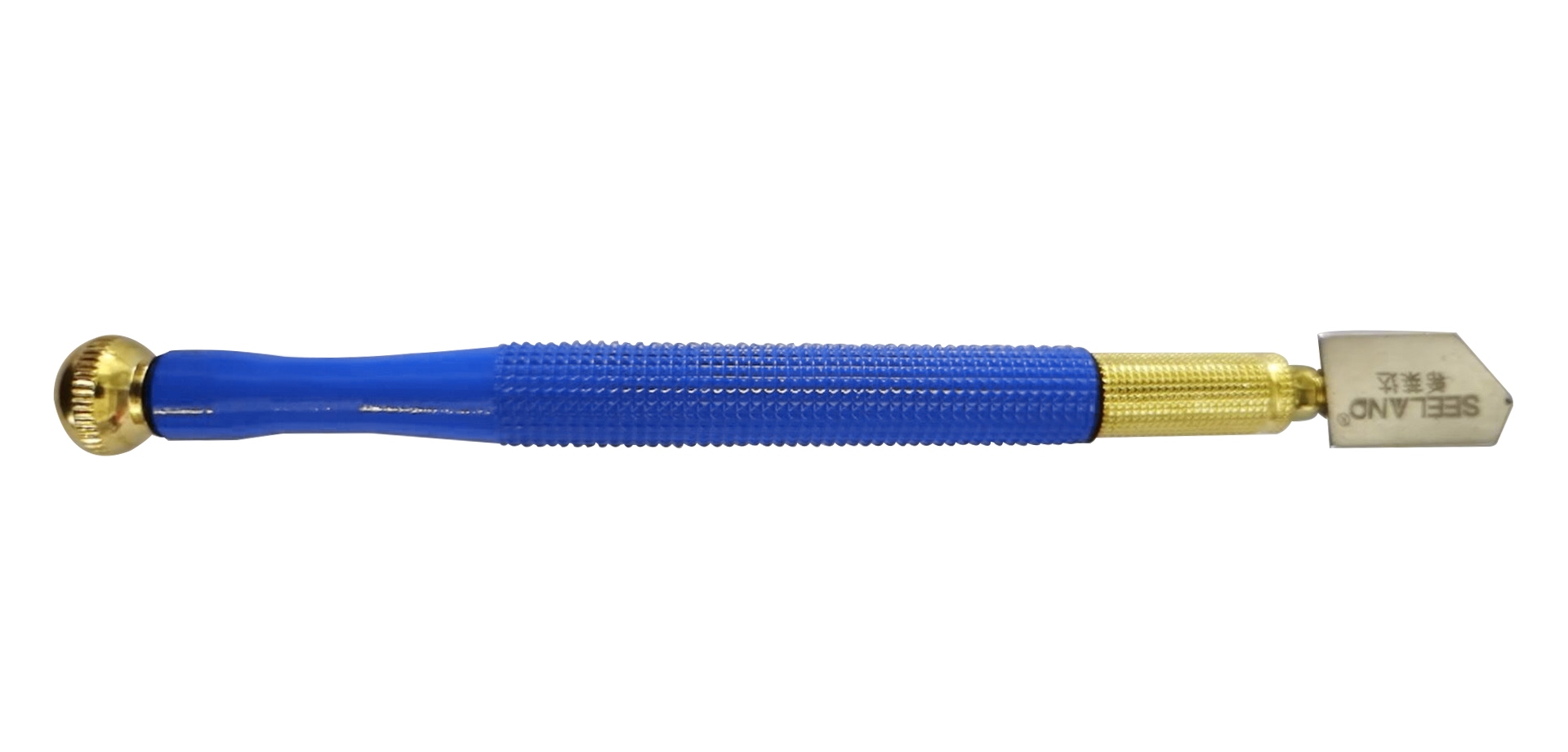
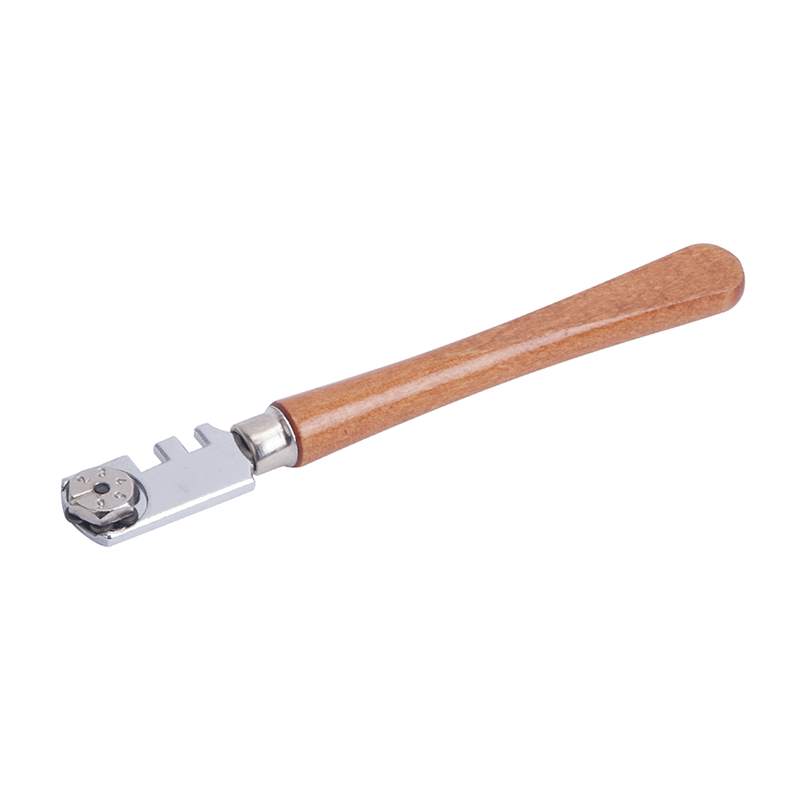
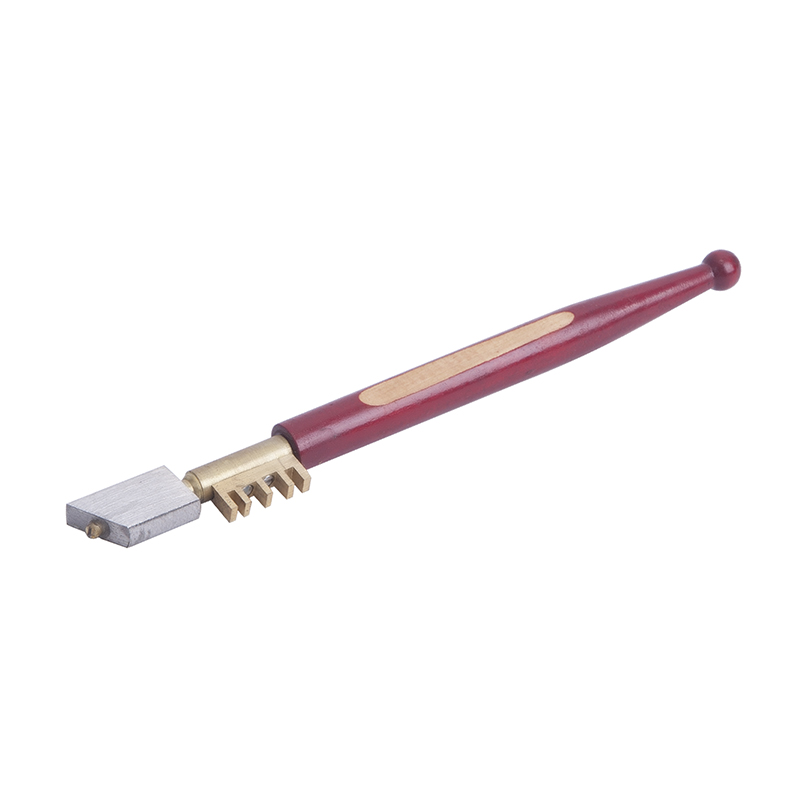
Glass Cutters
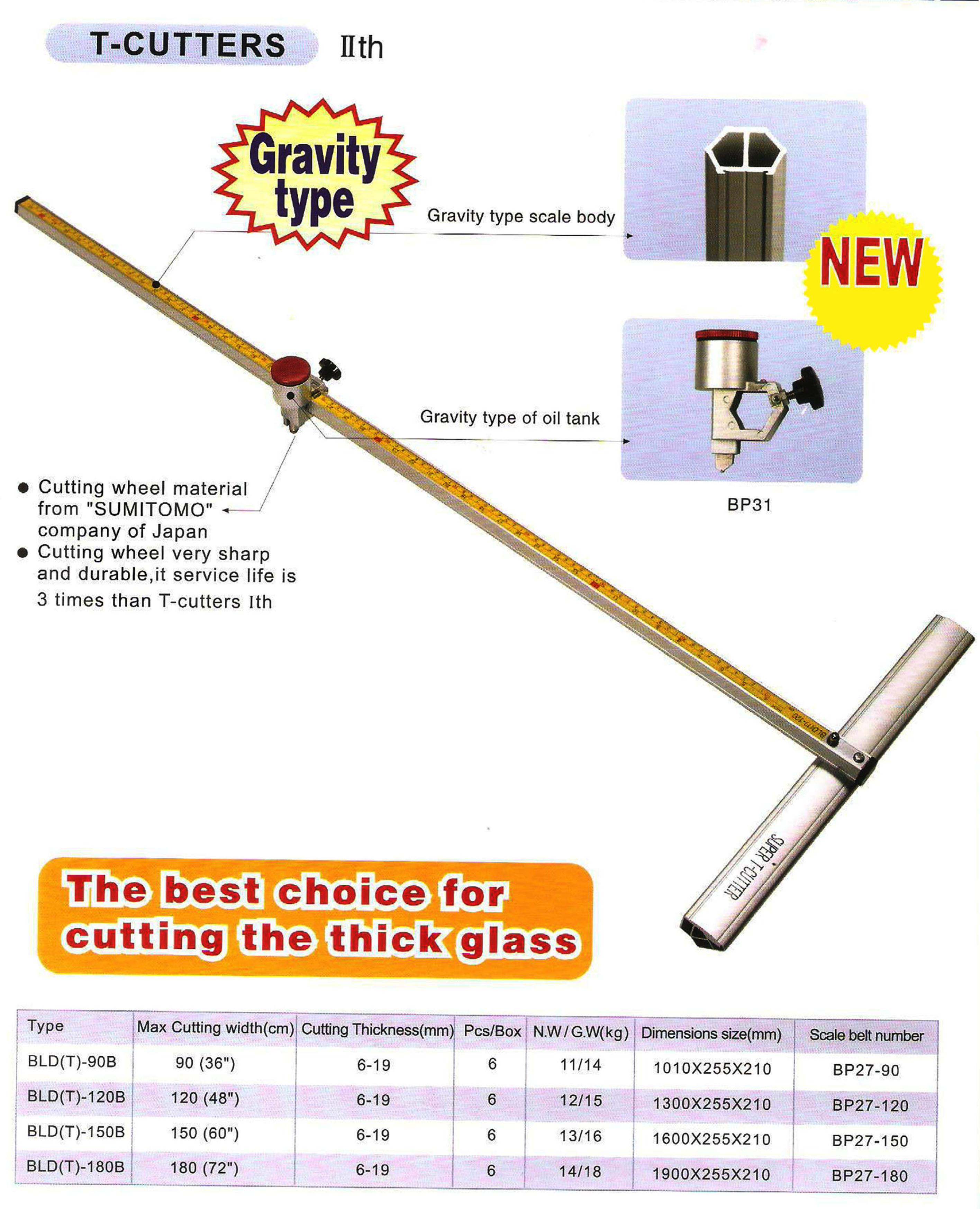
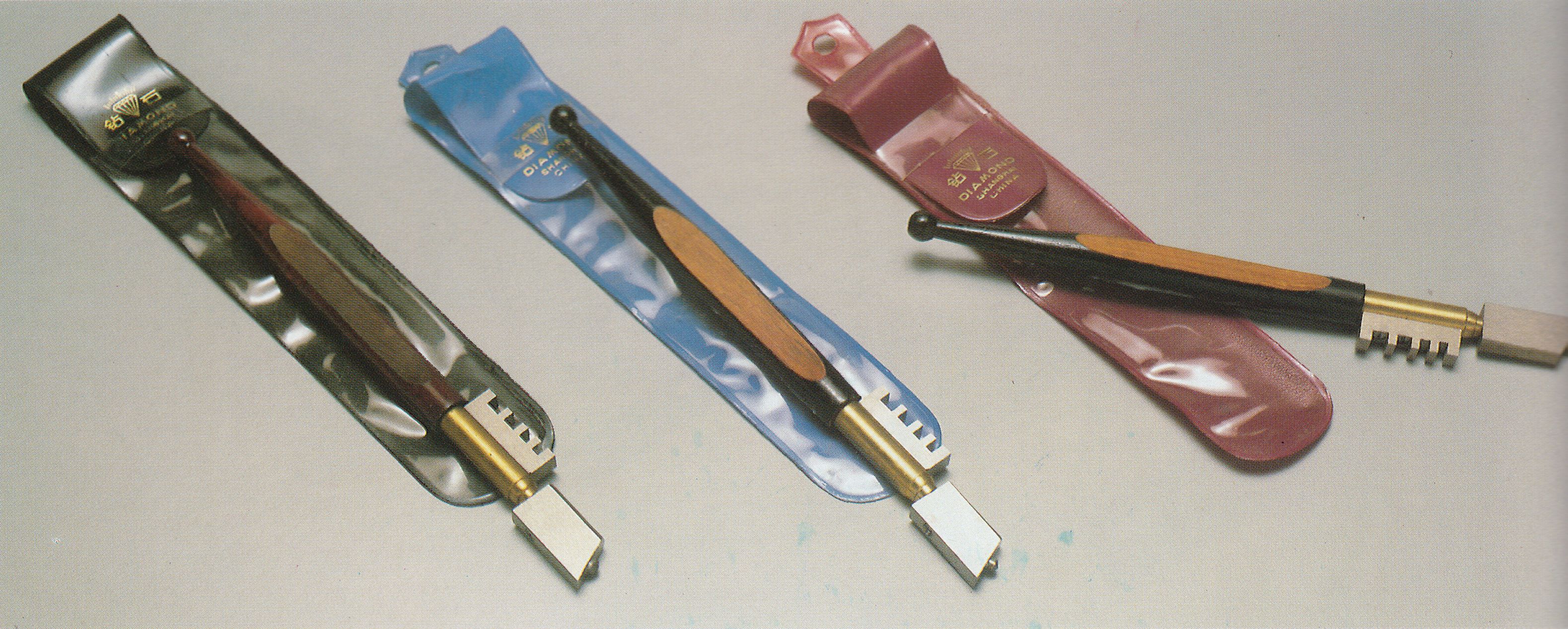
Source high-quality glass cutters in bulk directly from vetted manufacturers and wholesale suppliers. Designed for importers, hardware distributors, and brands seeking reliable OEM production, our network delivers precision hand tools with competitive pricing, strict quality control, and scalable volume.
Sourcing glass cutters in volume requires balancing tooling precision with unit cost. While the tool appears simple, its performance relies entirely on the micro-tolerances of the cutting wheel and the reliability of the oil-feed mechanism. Inconsistent manufacturing leads to tools that skip, score poorly, or leak cutting fluid—resulting in unsellable inventory and damaged reputations.
For buyers importing in bulk, securing a reliable supply chain means looking past the handle aesthetics and verifying the factory's machining capabilities, material sourcing, and assembly protocols.
Key Specifications: Wheel Material and Cutting Angles
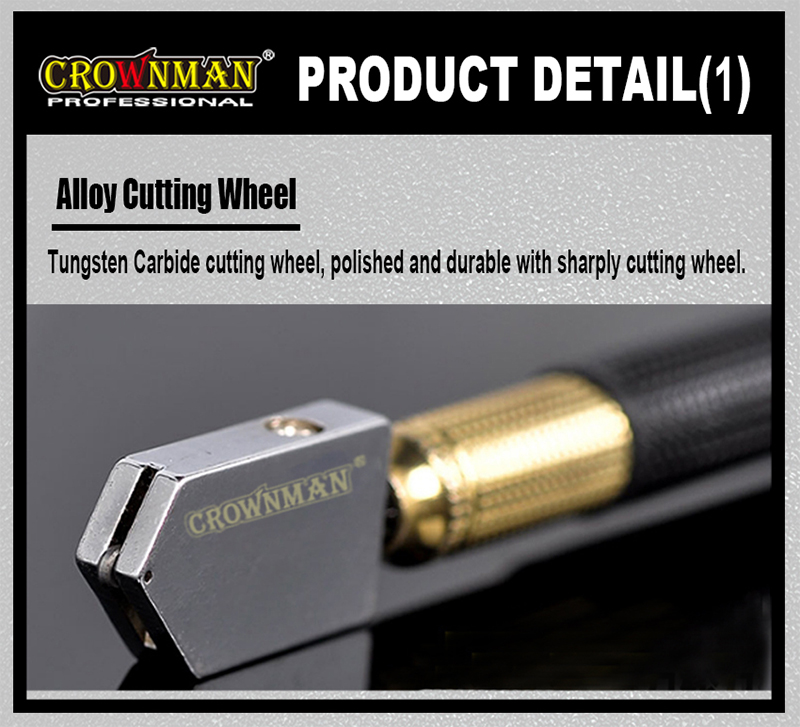
The cutting wheel is the functional heart of the tool. Buyers must specify both the material and the honing angle based on the target end-user application (e.g., stained glass hobbyists vs. professional glaziers).
| Wheel Material | Lifespan | Cost Profile | Target Application |
|---|---|---|---|
| Tungsten Carbide (TC) | High (up to 100,000 meters) | Moderate to High | Professional glazing, thick glass |
| Hardened Steel | Low to Moderate | Low | DIY, light hobbyist use |
| Diamond (Industrial) | Very High | Premium | Specialty cutting, heavy industrial |
Cutting Angles and Glass Thickness
You must also specify the wheel angle. A standard 135-degree angle is ideal for standard 2mm to 4mm glass. For thicker glass (up to 12mm or more), angles between 145 and 160 degrees are necessary to ensure a clean score without micro-fracturing the surface. Ensure your supplier has the CNC grinding equipment capable of maintaining these angles consistently across a production run.
Need help verifying a factory's machining tolerances? We can audit their production lines before you place an order.
Talk to our teamManufacturing and Quality Control Checkpoints
Factories producing hand tools often assemble components sourced from sub-suppliers. The wheel may be ground in-house, but the brass or plastic handles, springs, and wicks are often outsourced. This makes strict Quality Control & Inspection vital.
Common failure points during production include:
- Axle Wobble: If the pin holding the wheel is not perfectly toleranced, the wheel will wobble, leading to a jagged score line.
- Oil Leakage: In oil-feed cutters, the spring-loaded valve must release fluid only when pressure is applied. Poorly machined brass heads or degraded rubber seals will cause the tool to leak continuously.
- Handle Integrity: Plastic handles must be molded from impact-resistant ABS or polycarbonate to withstand drops on concrete floors.
Pre-Shipment Inspection Focus Areas
- Verify wheel honing angles using optical comparators.
- Test oil-feed mechanisms for proper flow and zero resting leakage.
- Conduct drop tests on handles (minimum 1.5 meters onto concrete).
- Check wheel axle tolerances for lateral play.
Customization and Private Labeling
Many hardware brands utilize OEM/ODM Services to differentiate their glass cutters. While the cutting head might use standard factory tooling, the handle offers significant branding real estate.
Options for customization include custom Pantone color matching for plastic reservoirs, knurled brass handles with laser-etched logos, and bespoke blister packaging. Keep in mind that custom molds for uniquely shaped ergonomic handles will require an upfront tooling fee and increase the initial lead time by 20 to 30 days.
Pricing, MOQs, and Lead Times
Understanding the baseline economics of glass cutter manufacturing helps in negotiating realistic terms. Prices fluctuate based on the global cost of tungsten carbide and brass.
Looking to consolidate your hand tool supply chain? Let us negotiate pricing and manage your factory relationships.
Get a free consultationFrequently Asked Questions
Sourcing reliable glass cutters means prioritizing the micro-mechanics of the cutting head over the outward appearance of the tool. By working with partners who understand the nuances of Product Sourcing and factory capabilities, you can build a resilient supply chain that delivers consistent quality to your end-users.
Get Sourcing Help for Glass Cutters
Tell us your requirements and our experts will connect you with verified manufacturers.