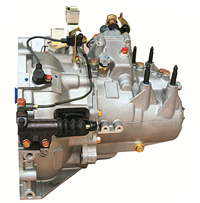
Gearboxes
Source high-performance gearboxes from vetted manufacturers and suppliers in China and across Asia. Designed for automotive parts importers, wholesale distributors, and brands requiring OEM or private-label production, our network delivers reliable transmission components built to rigorous industry standards.
Sourcing automotive gearboxes at scale requires balancing stringent mechanical tolerances with cost-effective production. Whether you are procuring standard replacement units for the aftermarket or developing custom transmission assemblies, the core challenge lies in verifying a supplier's metallurgical expertise, machining precision, and assembly environment. A minor deviation in gear tooth profile or heat treatment can lead to catastrophic failure or unacceptable noise levels in the final application.
Critical Specifications for Bulk Procurement
When negotiating with manufacturers, vague specifications lead to inconsistent production. Gearboxes are highly engineered systems, and suppliers need exact parameters to quote accurately and source the correct raw materials.
- Torque Capacity: Specify both nominal and peak input/output torque. Suppliers must design the gear train and select materials (typically 20CrMnTi or similar alloy steels) capable of handling these loads without premature wear.
- Gear Ratios & Backlash: Clearly define the required ratios and acceptable backlash tolerances. High-precision applications require minimal backlash, which drives up machining and grinding costs.
- Housing Materials: Automotive gearboxes typically utilize cast aluminum alloys (for weight reduction) or cast iron (for heavy-duty applications). Porosity in castings is a common defect that must be controlled.
- Lubrication & Sealing: Specify the lubrication type and the required sealing standards (e.g., IP ratings if applicable, or specific oil seal materials like Viton for high-temperature resistance).
Heat Treatment Failures
Inadequate heat treatment (such as carburizing and quenching) is the leading cause of gear tooth shearing and pitting. Ensure your supplier has strict controls over their furnace temperatures and carbon potential.
Manufacturing Processes and Quality Control
The durability of a gearbox is won or lost on the factory floor. The transition from raw forging to a finished gear involves hobbing, shaping, shaving, and—for high-performance applications—precision gear grinding.
Relying solely on final product testing is risky. Implementing robust quality control and inspection throughout the production cycle is essential to catch machining errors before assembly.
Key Factory Floor Quality Markers
- Traceability of raw steel batches and metallurgical analysis reports.
- Regular calibration of CNC gear hobbing and grinding machines.
- In-house coordinate measuring machines (CMM) and gear profile testers.
- Clean-room or controlled environments for final gearbox assembly to prevent particulate contamination.
- End-of-line NVH (Noise, Vibration, and Harshness) testing on dynamometers.
Navigating complex gearbox specifications and supplier capabilities? Let our sourcing experts help you identify manufacturers with the right technical infrastructure.
Talk to our teamSupplier Vetting: Automotive Standards
Not all machining facilities are equipped to produce automotive-grade gearboxes. The barrier to entry is high, requiring specific quality management systems. When conducting factory audits, the presence of automotive-specific certifications is a primary filter.
| Supplier Profile | Quality Systems | Testing Capabilities | Best For |
|---|---|---|---|
| Dedicated Auto Transmission (Tier 2/3) | IATF 16949 (Strictly enforced) | In-house NVH, dynamometer, fatigue testing | OEM replacements, performance aftermarket |
| General Mechanical / Industrial | ISO 9001 | Basic CMM, runout testing | Low-speed, non-critical applications |
| Assembly-Only Workshops | Often lacking formal QMS | Visual inspection, basic spin testing | High-risk; generally avoid for auto parts |
Pricing, MOQs, and Lead Times
Pricing for gearboxes is heavily dependent on the cost of raw materials (steel and aluminum), the precision class of the gears, and the volume of the order. Custom casing designs will incur significant upfront tooling costs for the casting molds.
If you are developing a proprietary transmission system, engaging a supplier for OEM/ODM services requires clear agreements on tooling ownership and intellectual property protection.
Need reliable pricing and production timelines for a custom transmission project? We can manage the sourcing and negotiation process.
Get a free consultationFrequently Asked Questions
Procuring automotive gearboxes requires a deep understanding of metallurgy, machining tolerances, and rigorous quality assurance. Partnering with a team that understands how to audit factories and enforce technical specifications ensures your supply chain remains resilient and your product quality stays consistent.
Get Sourcing Help for Gearboxes
Tell us your requirements and our experts will connect you with verified manufacturers.