Gear
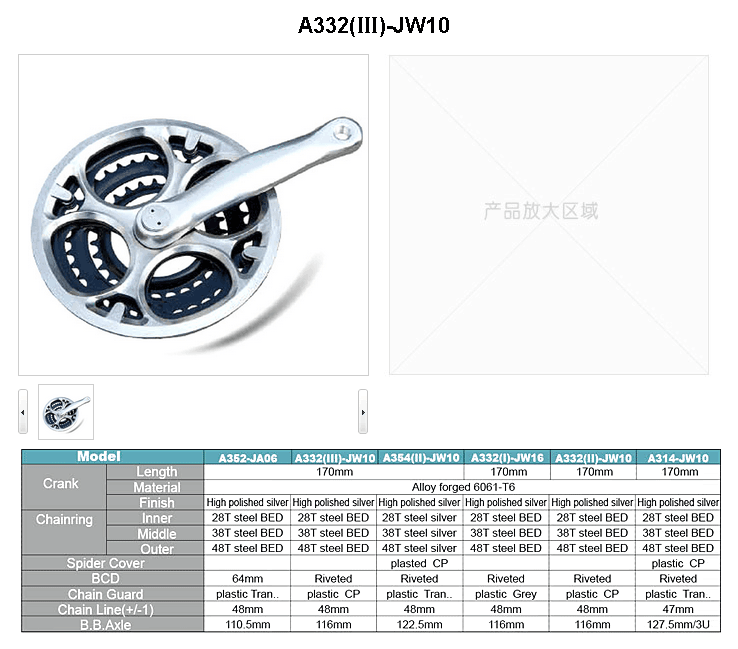
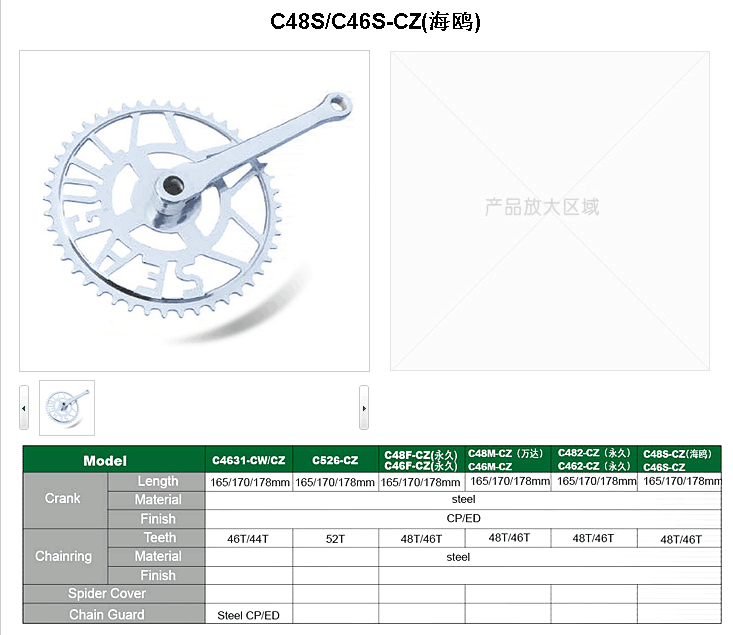
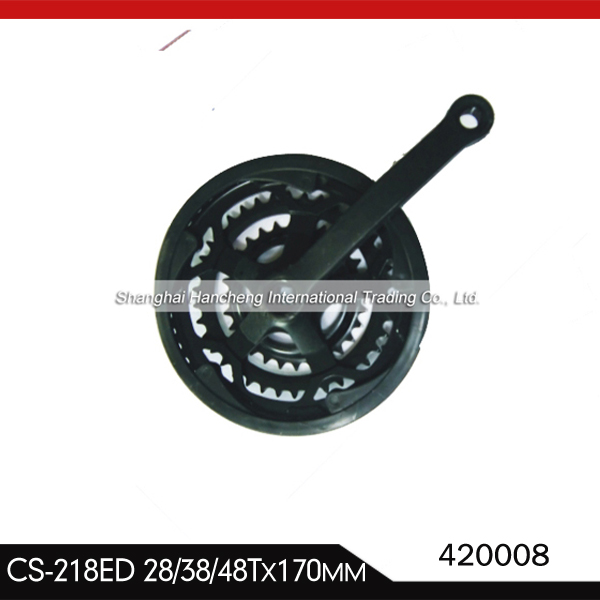
Source high-quality bicycle gears from vetted suppliers and manufacturers across Asia. Designed for importers, wholesale distributors, and cycling brands looking for reliable OEM and aftermarket production, our network covers everything from stamped steel freewheels to precision CNC-machined cassettes and chainrings.
Sourcing bicycle gears at volume requires strict attention to material hardness, shifting ramp profiles, and hub interface tolerances. Whether you are procuring aftermarket replacement cassettes for a distribution network or developing custom chainrings for a new OEM drivetrain, the manufacturing precision directly dictates shifting performance and drivetrain longevity.
Balancing unit cost with durability means matching your product requirements to the right factory's core capabilities. A manufacturer optimized for high-volume, entry-level stamped freewheels rarely possesses the multi-axis CNC machinery required for lightweight, wide-range 12-speed cassettes.
Manufacturing Methods and Material Selection
The production method dictates the material choices available and the final cost per unit. Most bicycle gears fall into two primary manufacturing categories, though hybrid approaches (like aluminum spiders with steel cogs) are standard for mid-to-high-tier components.
| Manufacturing Method | Primary Application | Typical Materials | Tooling Investment |
|---|---|---|---|
| Progressive Stamping | Entry to mid-tier cassettes (7-10 speed), freewheels | High-tensile steel, Carbon steel | High initial cost |
| CNC Machining | Premium cassettes (11-12 speed), 1x narrow-wide chainrings | 7075-T6 Aluminum, Titanium, Cr-Mo Steel | Low initial cost, high unit cost |
| Cold Forging | Mid-tier chainrings, specialized cogs | Aluminum alloys | Very high initial cost |
For stamped steel cogs, heat treatment is the most critical post-processing step. Without proper quenching and tempering, steel teeth will fold or wear prematurely under chain tension. When evaluating a new supplier, verifying their in-house heat treatment capabilities—or their reliance on certified third-party metallurgical partners—is essential. You can verify these operational capabilities early through structured Factory Audits.
Need to identify factories with verified CNC and heat-treatment capabilities? Let us match your specifications with vetted manufacturers.
Talk to our teamQuality Control and Tolerance Management
Shifting performance is won or lost in the details of the tooth profile. Modern drivetrains rely on complex shifting ramps, pins, and specific tooth shapes to guide the chain between cogs. If a factory's tooling is worn, or if their quality control allows for excessive lateral runout, the resulting gears will cause ghost-shifting, chain drop, or excessive drivetrain noise.
Implementing strict Quality Control & Inspection protocols before shipment is critical. Your inspection criteria should include:
Critical Inspection Points for Bicycle Gears
- Spline interface gauging (ensuring exact fit for HG, XD, or Micro Spline driver bodies)
- Lateral runout (wobble) measurement on a calibrated spindle
- Rockwell hardness testing (HRC) post-heat treatment
- Salt spray testing for surface treatments (nickel, chrome, or black oxide plating)
- Visual inspection of shifting ramps and guide pins for burrs or missing components
Sourcing Realities: MOQs, Lead Times, and Pricing
The bicycle component supply chain operates on distinct cycles, and lead times for gears can fluctuate heavily based on raw material availability and global demand.
Standard, open-mold aftermarket cassettes and freewheels typically require Minimum Order Quantities (MOQs) between 500 and 1,000 pieces per SKU. Because the tooling already exists, lead times for these orders generally range from 45 to 60 days.
If you are developing proprietary tooth profiles or custom lightweight spiders, you will need OEM/ODM Services. Custom tooling extends the initial lead time by 30 to 45 days for sample production and validation. MOQs for custom OEM runs often start at 2,000 pieces to absorb the setup costs of specialized CNC programming or new stamping dies.
Pricing is highly sensitive to surface finish and material. Upgrading a standard steel cassette from a basic black oxide finish to a high-corrosion-resistant nickel plating will increase unit costs, but significantly reduces warranty claims in humid or coastal markets.
Planning a custom drivetrain component or bulk aftermarket order? We can help you negotiate pricing and manage production schedules.
Get a free consultationFrequently Asked Questions
Procuring bicycle gears at scale is an exercise in managing tolerances and material science. Success requires looking past the surface finish to verify the underlying metallurgy and machining precision of your chosen manufacturing partner.
Get Sourcing Help for Gear
Tell us your requirements and our experts will connect you with verified manufacturers.