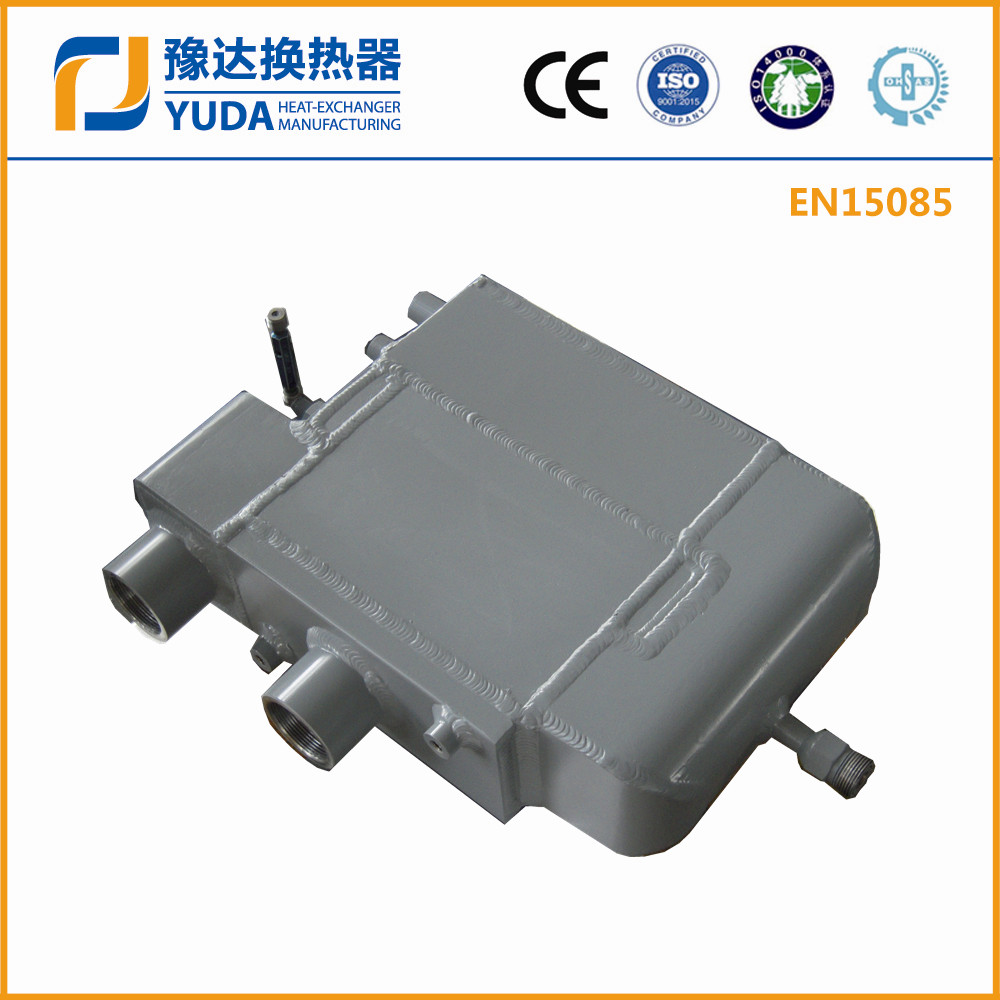
Gas Separation Equipment
Source industrial-grade Gas Separation Equipment from vetted suppliers and manufacturers in China. Designed for procurement managers, wholesale distributors, and engineering firms, our network connects you with reliable production facilities. Secure high-purity output, certified pressure vessels, and competitive pricing for your bulk import needs.
Sourcing industrial gas separation equipment requires balancing upfront capital costs with long-term operational reliability. Whether you are procuring pressure swing adsorption (PSA) systems, membrane separators, or cryogenic units for resale or facility integration, the core sourcing challenge remains the same: ensuring the manufacturer uses high-grade internal components that can sustain continuous operation without output degradation.
Critical Component Specifications
The lifespan and efficiency of gas separation machinery depend heavily on the quality of its internal components. When negotiating specifications with a manufacturer, pay close attention to the following areas where cost-cutting frequently occurs.
| Component | Standard Domestic | Export/Premium Grade |
|---|---|---|
| Pneumatic Valves | Domestic brands (prone to early seal wear) | Imported (e.g., Burkert, SMC) rated for millions of cycles |
| Molecular Sieve | Standard density, higher risk of dusting | High-density packing, superior adsorption capacity |
| Control Systems | Basic local PLC, limited data logging | Siemens/Allen-Bradley PLC with remote telemetry |
| Pressure Vessels | GB Standard (Chinese domestic) | ASME U-stamp or CE/PED certified |
The Molecular Sieve and Packing Density
In PSA systems, the carbon or zeolite molecular sieve is the heart of the machine. Poor packing density during manufacturing allows the sieve beads to move and grind against each other during pressure cycles. This "dusting" effect permanently degrades output purity and requires a complete, costly media replacement. Ensure the factory uses automated, high-vibration packing methods rather than manual filling.
Need help verifying a manufacturer's production standards? We evaluate factory capabilities to ensure they meet strict international engineering requirements.
Talk to our teamManufacturing Standards and Compliance
Gas separation equipment inherently involves pressure vessels. Importing non-compliant pressure vessels can result in customs seizures or severe liability issues at the destination facility.
When vetting suppliers, you must confirm their capability to manufacture to your local jurisdiction's standards. Conducting rigorous Factory Audits is essential to verify that the facility holds the genuine certifications (such as ASME boiler and pressure vessel codes or European PED) rather than borrowing certificates from affiliated factories.
Factory Acceptance Testing (FAT) Checklist
Before any equipment leaves the factory floor, a comprehensive FAT is mandatory. Relying on Quality Control & Inspection teams with mechanical engineering expertise ensures the machine performs to spec under load.
Pre-Shipment Inspection Protocol
- Continuous run test (minimum 72 hours) to verify stable purity levels.
- Dew point measurement to ensure moisture content remains below specified thresholds.
- Pneumatic valve response testing to confirm synchronization and seal integrity.
- Weld seam ultrasonic or X-ray inspection review on all pressure vessels.
- Verification of PLC logic, alarm triggers, and automatic shutoff protocols.
Pricing, MOQs, and Lead Times
Because gas separation equipment is highly customized capital machinery, MOQs are almost universally set at 1 unit.
- Pricing Drivers: The cost is dictated by the desired flow rate (Nm3/h), target purity (e.g., 95 percent versus 99.999 percent), and the origin of the critical components (valves, PLCs, sensors). Specifying imported components will increase the unit cost by 15 to 30 percent but significantly reduces maintenance overhead.
- Lead Times: Standard PSA systems typically require 30 to 45 days for production. Large-scale or cryogenic plants can take 90 to 120 days.
- Logistics: These systems are bulky and often require specialized shipping solutions. Skidded or containerized systems may fit in standard High Cube containers, but larger towers require Flat Rack or Open Top containers. Coordinating Shipping & Freight early in the production phase prevents costly delays at the port.
Managing heavy machinery procurement in Asia? Let us handle the supplier negotiation, quality control, and oversized freight logistics for your next project.
Get a free consultationFrequently Asked Questions
Procuring gas separation equipment is a major capital investment where the true cost of poor quality is measured in facility downtime. By strictly defining component origins, enforcing rigorous factory acceptance testing, and verifying pressure vessel compliance, buyers can secure highly reliable systems at competitive price points.
Get Sourcing Help for Gas Separation Equipment
Tell us your requirements and our experts will connect you with verified manufacturers.