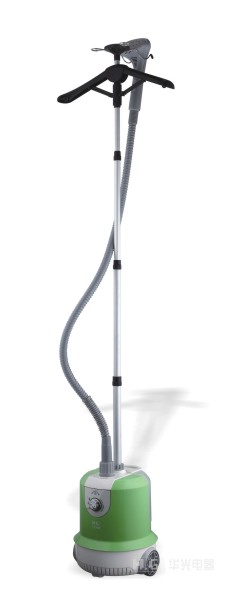
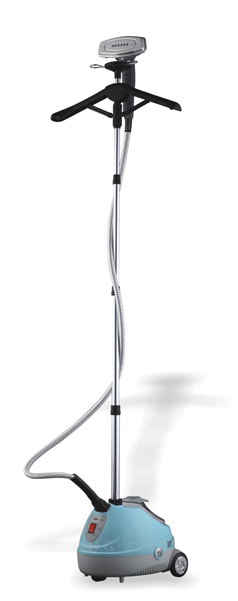
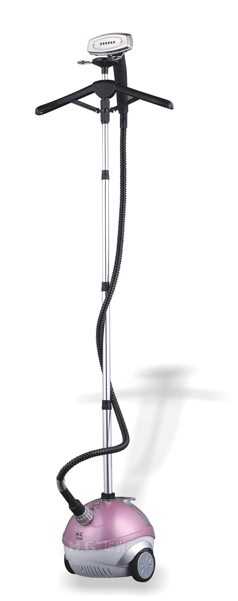
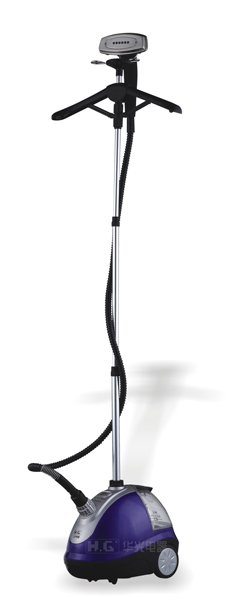
Garment Steamers
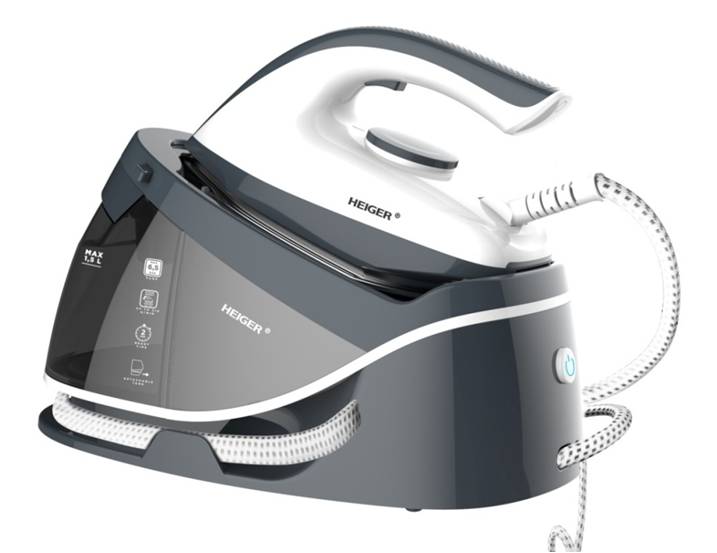
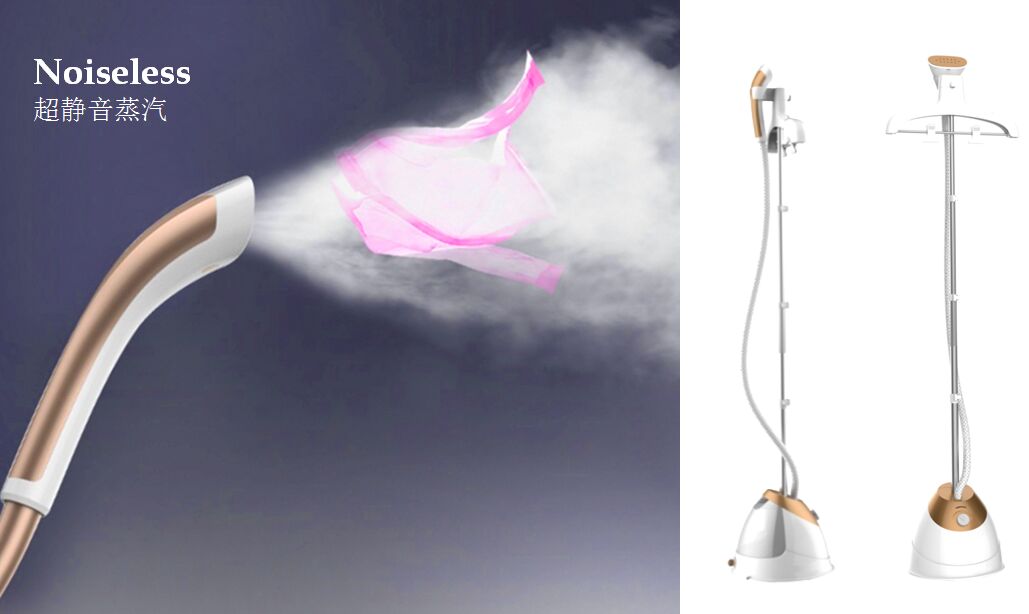
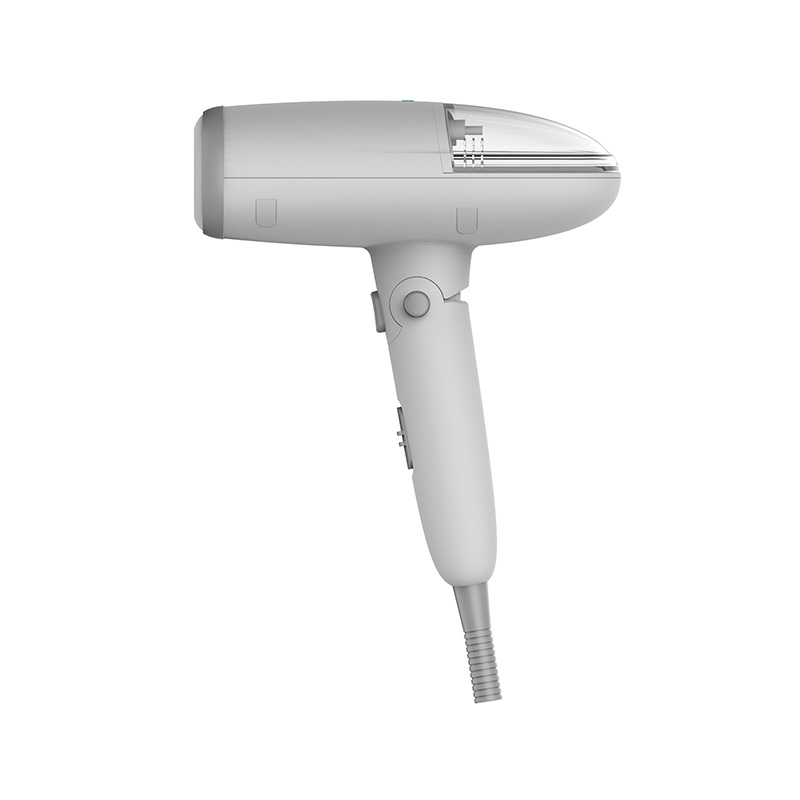
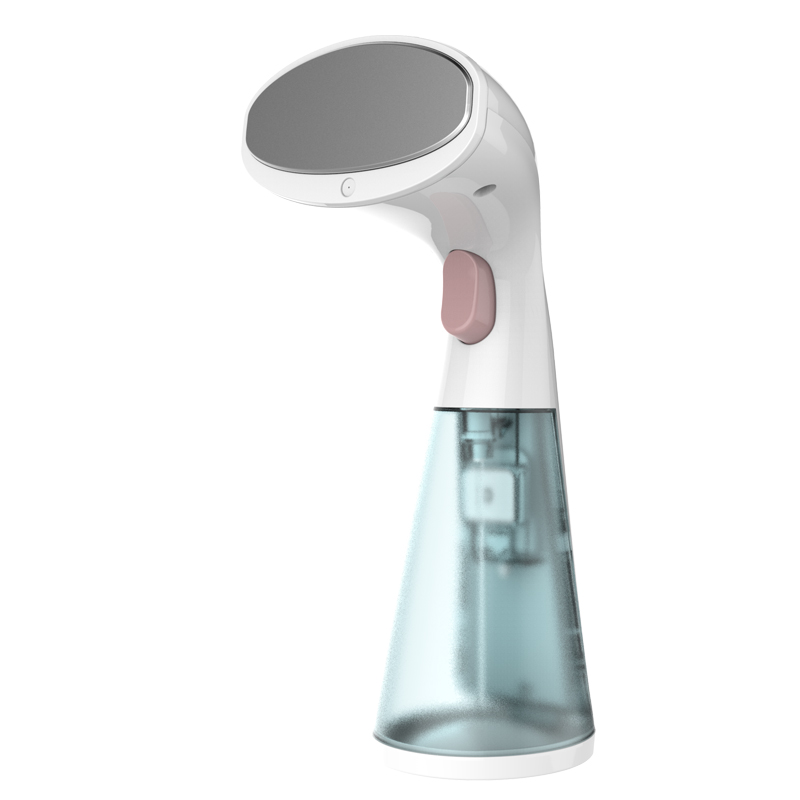
Source bulk and wholesale Garment Steamers from vetted suppliers and manufacturers. Designed for importers, appliance distributors, and brands seeking reliable OEM/private-label production, this catalog connects you with verified manufacturing partners offering factory-direct pricing and scalable production capacity.
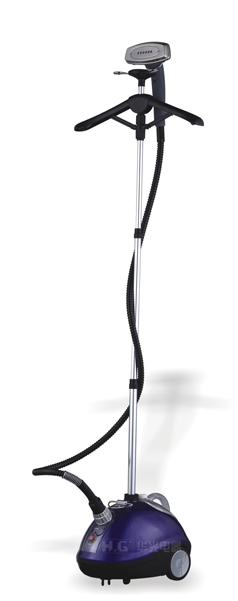
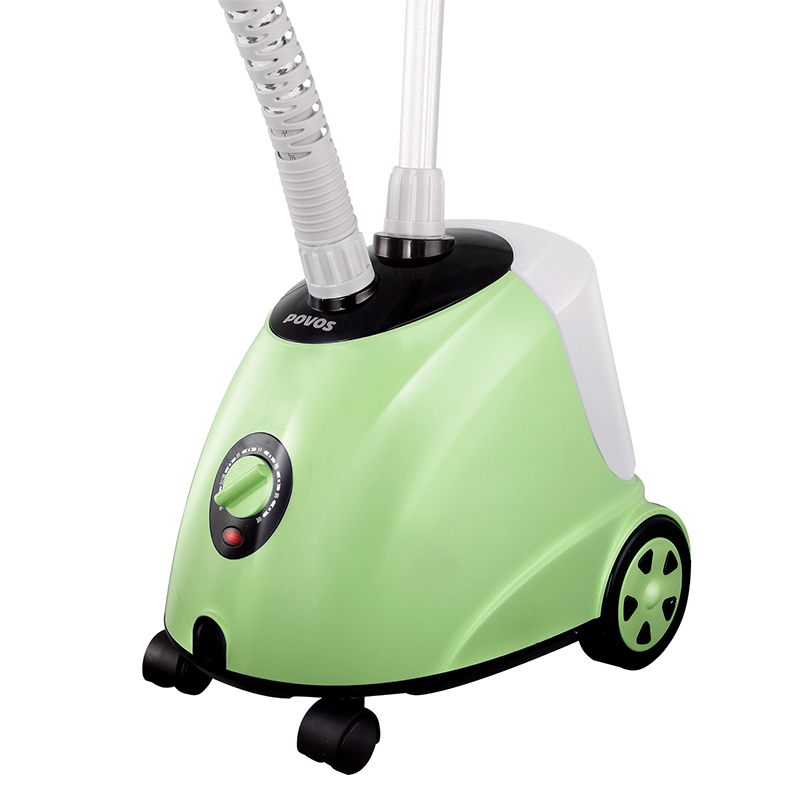
Sourcing garment steamers at scale requires navigating a fragmented supplier base where external aesthetics often mask internal corner-cutting. Whether you are importing compact handheld units or heavy-duty upright commercial steamers, the core challenge remains the same: securing products that deliver consistent steam output without premature pump failure, water leakage, or thermal fuse blowouts.
Core Specifications and Component Selection
The reliability of a garment steamer is dictated by its internal architecture. When negotiating with manufacturers, buyers must specify the exact components used in the boiler and pump systems, as these are the first areas targeted for cost reduction.
Heating Elements and Boilers
The boiler dictates heat-up time, steam consistency, and the lifespan of the appliance.
| Material | Thermal Conductivity | Scaling Resistance | Typical Application |
|---|---|---|---|
| Aluminum Die-Cast | High | Moderate | Mid-range upright and handheld models |
| Copper/Brass | Excellent | High | Commercial or premium upright units |
| Stainless Steel | Moderate | Excellent | High-end consumer models requiring anti-calc features |
Pump Mechanisms
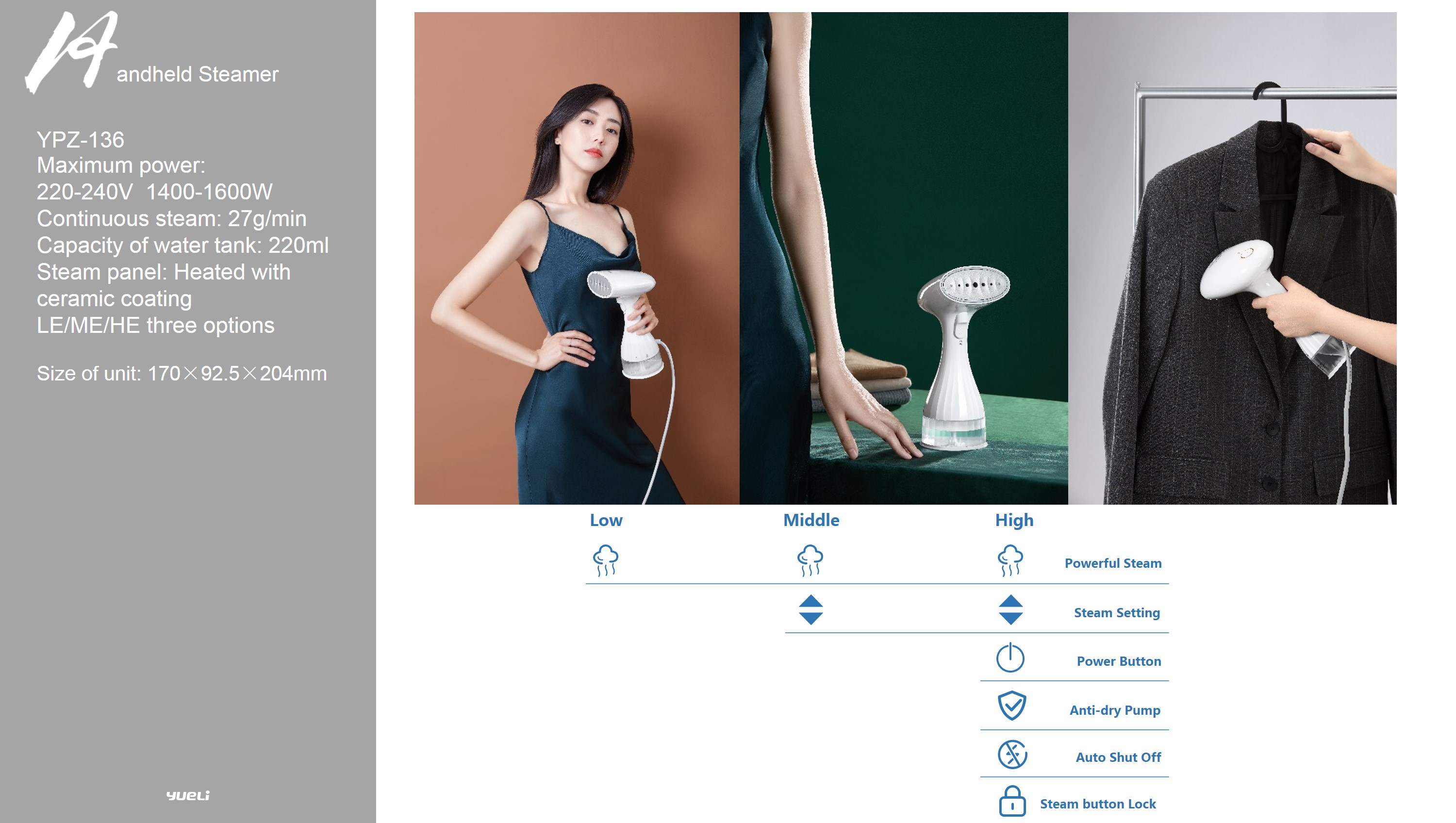
Handheld and continuous-fill upright steamers rely on internal pumps. Electromagnetic pumps are the industry standard for reliable, continuous steam delivery (typically 20g to 35g per minute for handhelds, and up to 45g per minute for uprights). Cheaper mechanical or gravity-fed systems often suffer from vapor lock and inconsistent output, leading to high return rates.
Manufacturing Vulnerabilities and Quality Control
Defects in garment steamers usually manifest as water leaks or electrical failures. Because water and electricity are in close proximity, rigorous in-line testing is non-negotiable.
Critical Factory Inspection Points
- High-Pot (Dielectric Withstand) Testing: Ensures insulation integrity between the water system and electrical components.
- Thermostat Calibration: Verifies the thermal fuse trips at the correct temperature to prevent dry-boil fires.
- Pressurized Leak Testing: The water tank, silicone tubing, and boiler seals must be tested under maximum operating pressure.
- Steam Rate Verification: Measuring actual output (g/min) over a sustained 10-minute cycle, not just peak initial output.
To mitigate defect rates, implementing strict Quality Control & Inspection protocols before shipment is highly recommended. Catching a poorly sealed boiler on the factory floor saves immense capital compared to processing consumer returns.
Struggling with inconsistent supplier quality? Let us manage your factory vetting and quality control processes on the ground.
Talk to our teamCompliance and Regional Sourcing
The manufacturing hub for garment care appliances is concentrated in China's Guangdong province (specifically Shunde and Zhongshan) and Zhejiang province (Cixi and Ningbo). Guangdong generally leads in higher-end, innovative designs and premium internal components, while Zhejiang offers highly competitive pricing for standard, high-volume models.
Regardless of the region, electrical safety compliance is a major hurdle. When modifying a base model through OEM/ODM Services, ensure the supplier's existing certifications (CE, CB, RoHS for Europe; UL or ETL for North America) extend to your specific configuration. Changing the plug type or upgrading the wattage often requires a new round of Compliance & Testing.
Typical MOQs, Lead Times, and Pricing Drivers
Factory pricing for garment steamers fluctuates based on raw material costs (aluminum, copper, ABS plastic) and the complexity of the electronic controls.
Cost drivers to watch closely include the material of the steam head (stainless steel soleplates cost more than standard ABS), the inclusion of digital LCD displays, and the complexity of anti-calc (descaling) systems.
Need accurate pricing and lead times for your next order? We can source and negotiate directly with capable manufacturers matching your exact specs.
Get a free consultationBuyer FAQ
Success in sourcing garment steamers comes down to technical vigilance. By specifying the right boiler materials and enforcing rigorous leak and high-pot testing, you protect your brand from the high return rates that plague poorly manufactured appliances. Partnering with experienced sourcing professionals ensures these standards are met before the goods ever reach the port.
Get Sourcing Help for Garment Steamers
Tell us your requirements and our experts will connect you with verified manufacturers.