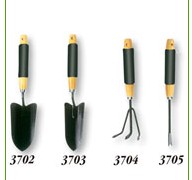
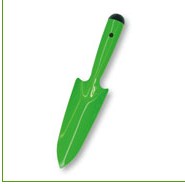
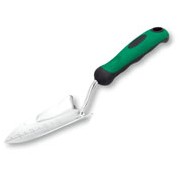
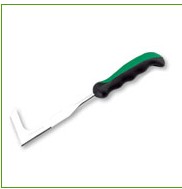
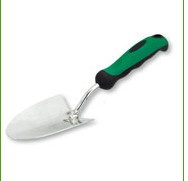
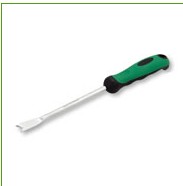
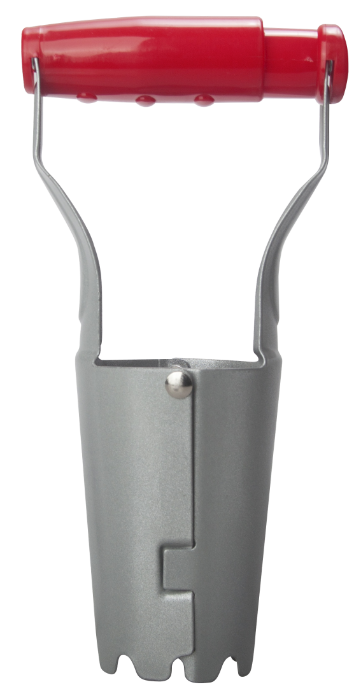
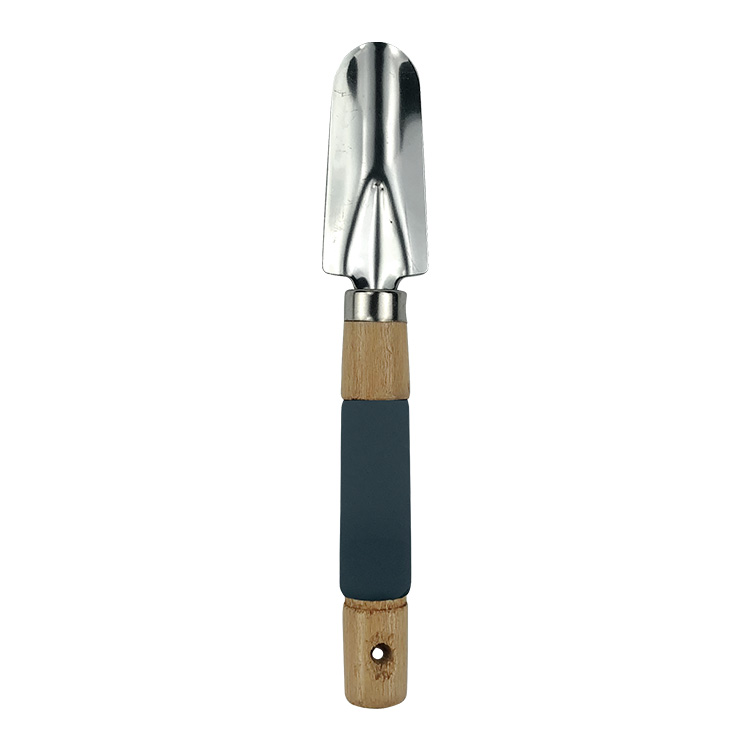
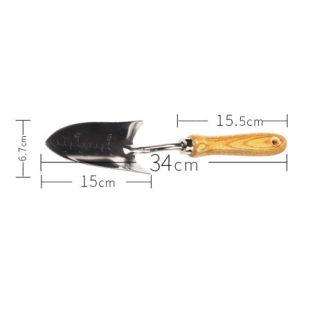
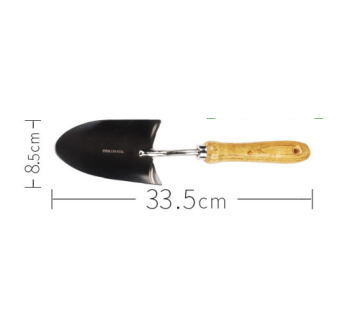
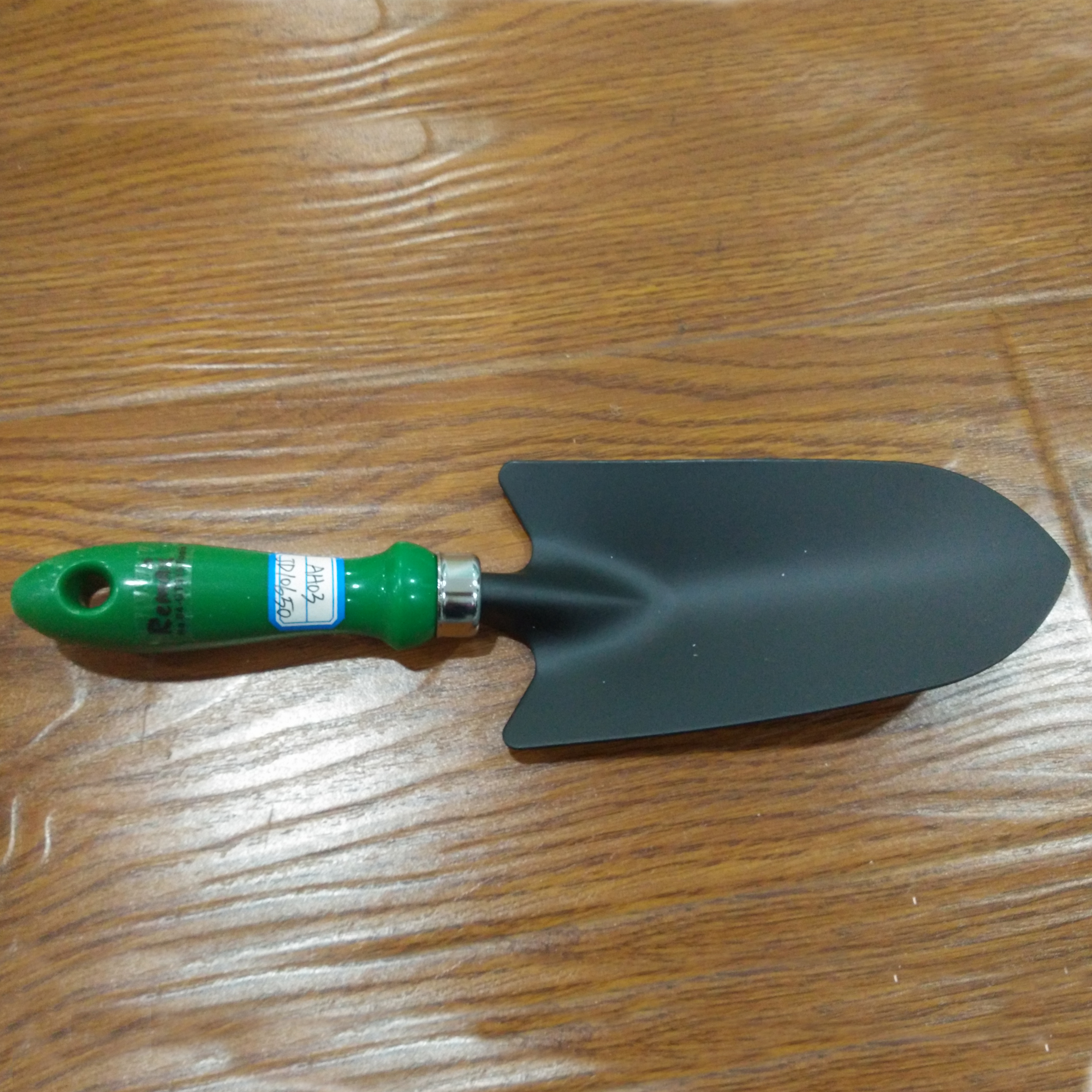
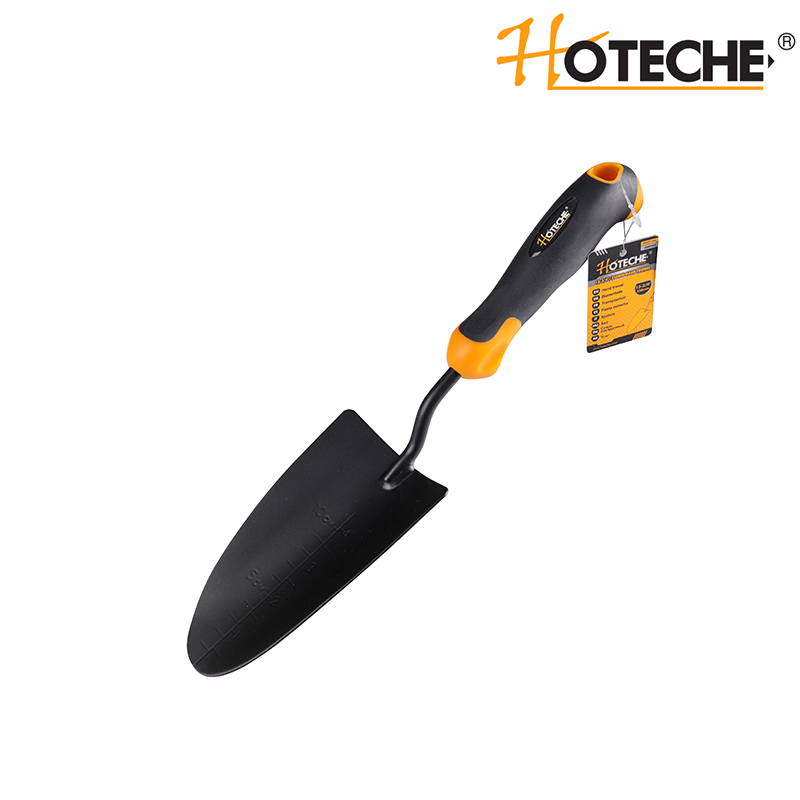
Gardening Trowels
Source premium gardening trowels in bulk directly from vetted manufacturers and suppliers. Designed for hardware importers, garden center distributors, and brands seeking reliable OEM and private-label production. Ensure structural durability, ergonomic consistency, and competitive pricing at high volumes.
Sourcing gardening trowels at scale requires navigating a highly fragmented supplier base where visual similarity often masks deep structural flaws. The difference between a lifetime garden tool and one that bends in dense soil lies entirely in the steel grade, the heat treatment process, and the integrity of the blade-to-handle connection. For volume buyers, securing a reliable manufacturing partner means looking past polished samples to evaluate raw material sourcing and factory-floor quality controls.
Blade Materials and Manufacturing Specifications
The core of any trowel is its blade. Manufacturers typically offer three primary material categories, each dictating the product's price point, target retail market, and manufacturing methodology.
| Material | Key Characteristics | Typical Manufacturing Method |
|---|---|---|
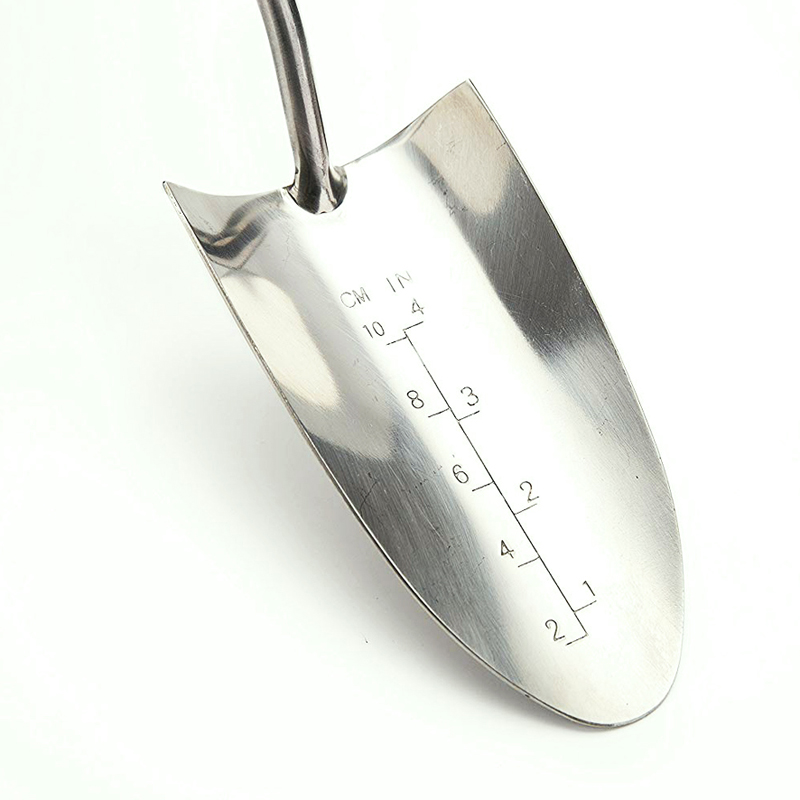
| Stainless Steel (420/430) | Excellent rust resistance, polished finish, higher cost | Stamping and welding |
| High-Carbon Steel | Superior edge retention, requires powder coating to prevent rust | Forging or stamping |
| Cast Aluminum | Lightweight, rust-proof, prone to snapping if poorly cast | Die-casting (one piece) |
When sourcing steel trowels, the thickness of the steel blank is a critical specification. Standard consumer trowels utilize 1.2mm to 1.5mm steel, while heavy-duty or professional-grade models require 1.8mm to 2.0mm. Furthermore, steel blades must undergo proper heat treatment to achieve an optimal hardness (typically HRC 40 to 48). If the steel is too soft, the blade bends; if it is too hard, it becomes brittle and chips upon striking rocks.
Evaluating a supplier's heat treatment facilities is crucial. Many smaller factories outsource this step, leading to inconsistent batch quality. Conducting thorough Factory Audits before placing high-volume orders ensures your chosen supplier has the necessary in-house capabilities or strictly manages their sub-tier vendors.
Structural Integrity and Handle Connections
The most common point of failure in a gardening trowel is the tang—the connection point between the blade and the handle.
Critical Connection Points to Specify
- Weld Quality: For stamped blades with welded tangs, specify continuous argon arc welding rather than spot welding.
- Tang Length: Ensure the tang extends deeply into the handle (at least 50 percent of the handle length) to prevent snapping.
- Handle Pull-Off Force: Specify a minimum pull-off resistance (e.g., holding 80kg to 100kg of force without separating).
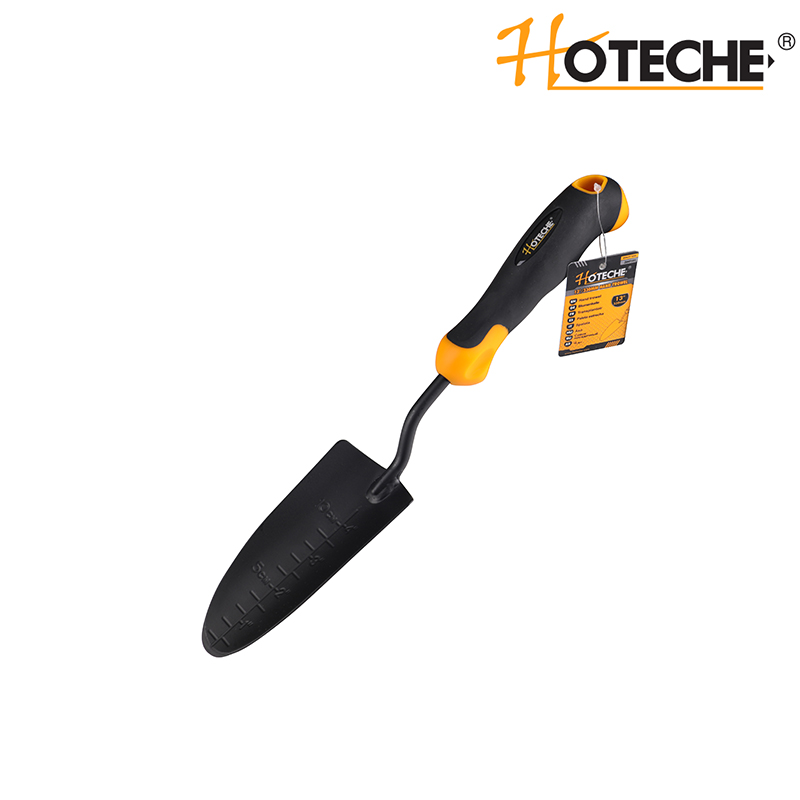
- Grip Material Adhesion: For TPR/PP dual-injection handles, check the chemical bonding between the hard core and soft grip.
Struggling with inconsistent tool quality from current suppliers? Let us help you standardize your specifications and vet capable manufacturers.
Talk to our teamFor brands focused on ergonomics, custom handles are a primary differentiator. Ash wood remains popular for traditional lines, requiring strict moisture content controls (typically 10 to 14 percent) to prevent cracking during transit. Modern ergonomic lines rely on Polypropylene (PP) cores with Thermoplastic Rubber (TPR) overmolds. Developing these ergonomic grips often requires investing in custom injection molds, a process easily managed through structured OEM/ODM Services.
Sourcing Realities: MOQs, Pricing, and Lead Times
Understanding standard commercial terms helps in planning procurement cycles, especially given the highly seasonal nature of garden tools.
Pricing is heavily dependent on raw material indices (steel and aluminum) and the complexity of the handle mold. Because trowels are relatively dense and heavy, shipping consolidation is vital for maintaining margins. Implementing strict Quality Control & Inspection protocols pre-shipment ensures you do not pay freight for defective units that will fail in the field.
Need to optimize your garden tool supply chain before the next planting season?
Get a free consultationFrequently Asked Questions
Successfully sourcing gardening trowels requires moving beyond catalog browsing to actively engineering the product's weak points out of the equation. By specifying exact steel grades, demanding robust weld integrity, and verifying handle pull-off strength, you protect your brand's reputation and bottom line. When you are ready to upgrade your garden tool manufacturing, expert on-the-ground coordination makes all the difference.
Get Sourcing Help for Gardening Trowels
Tell us your requirements and our experts will connect you with verified manufacturers.