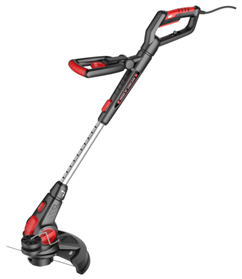
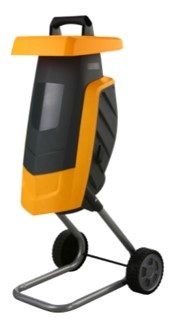
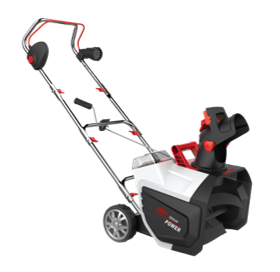
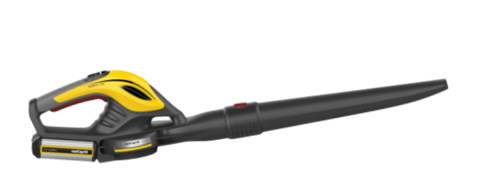
Gardening Tools
Source high-quality Gardening Tools in bulk directly from vetted manufacturers and wholesale suppliers. Whether you are an importer, distributor, or brand seeking OEM and private-label production, we connect you with reliable factory partners to ensure competitive pricing, consistent quality, and on-time delivery.
Sourcing gardening tools at scale requires navigating a highly fragmented supplier base where the line between professional-grade durability and disposable consumer quality is often blurred. For volume buyers, the challenge lies in specifying the correct metallurgy, handle ergonomics, and assembly methods while maintaining a strict target landed cost. Relying on visual samples alone is a common pitfall; structural integrity and edge retention are determined by manufacturing processes that you cannot see.
Critical Specifications: Metallurgy and Materials
The performance of any hand tool hinges on the raw materials. Buyers must clearly define the steel grade, heat treatment requirements, and handle composition in their purchase orders to prevent unauthorized material substitution on the factory floor.
Blade and Head Materials
- High-Carbon Steel (e.g., 65Mn, SK5): The standard for cutting tools (shears, loppers) and heavy-duty digging tools. It offers excellent edge retention and hardness but requires anti-rust treatments like PTFE coating, powder coating, or oiling.
- Stainless Steel (e.g., 420, 430, 304): Preferred for premium trowels, forks, and weeders. 420 and 430 offer higher hardness for functional tools, while 304 is highly corrosion-resistant but generally too soft for cutting edges.
- Aluminum Alloy: Often die-cast for lightweight, rust-proof hand tools. It is cost-effective but prone to snapping under high leverage if the casting is porous or the design lacks structural ribbing.
Handle Ergonomics and Composition
Modern gardening tools rely heavily on composite handles. Ash wood remains the premium standard for long-handled tools due to its shock absorption, but fiberglass cores wrapped in PP (Polypropylene) and TPR (Thermoplastic Rubber) are dominating the market. Specifying the exact Shore hardness for the TPR grip is essential for the right tactile feel.
| Component | Consumer / Promotional Grade | Professional / Heavy-Duty |
|---|---|---|
| Blade Material | A3 Carbon Steel or Cast Iron | 65Mn, SK5, or Forged Steel |
| Heat Treatment | Minimal or localized only | Full blade, HRC 48-55 |
| Handle Core | Hollow Tubular Steel | Solid Ash Wood or Fiberglass |
| Head Attachment | Single Rivet / Glue | Double Rivet, Welded, or Deep Ferrule |
Manufacturing Processes and Quality Control
The difference between a tool that lasts a decade and one that bends on first use is established during forging, stamping, and heat treatment.
For cutting tools, heat treatment is the most critical step. If the steel is too soft (under HRC 45), the edge rolls; if it is too hard (over HRC 58), it becomes brittle and chips when hitting a stone. Consistent temperature control in the factory's quenching process is non-negotiable.
Need to ensure your supplier's metallurgy and heat treatment processes meet your exact specifications? We can manage the factory vetting and production oversight for you.
Talk to our teamWhat to Verify During Production
Implementing a rigorous quality control & inspection protocol is necessary before shipment. Do not assume standard AQL (Acceptable Quality Limit) checks will catch structural flaws.
Key QC Checks for Gardening Tools
- Hardness Testing: Verify HRC ratings on blades using a Rockwell hardness tester.
- Pull and Bending Tests: Apply static weight to long handles to ensure they meet minimum load-bearing standards without permanent deformation.
- Ferrule and Rivet Integrity: Perform pull tests on the connection point between the tool head and the handle.
- Salt Spray Testing: Verify the efficacy of powder coatings or anti-rust oils (typically 24 to 48 hours minimum).
- Grip Adhesion: Ensure TPR/PP co-molded handles do not peel or separate under friction.
OEM/ODM and Customization
For brands looking to differentiate, OEM/ODM services allow for significant customization. While tool heads often use existing open molds to save costs, handles are frequently customized.
Creating a new injection mold for a custom ergonomic handle typically takes 25 to 35 days. Buyers should provide exact Pantone color codes for PP/TPR components and specify the branding method—laser etching on metal, pad printing on handles, or custom molded-in logos. Packaging also plays a major role; blister cards, color sleeves, and custom display boxes must be engineered to withstand international transit without scuffing the tools.
Pricing, MOQs, and Lead Times
Pricing in this category is heavily driven by global steel commodity prices, currency exchange rates, and the complexity of the handle assembly.
When negotiating, be wary of quotes that fall significantly below the market average. These often indicate a trading company masking as a manufacturer, or a factory planning to use recycled plastics and lower-grade steel. Conducting thorough factory audits before placing a deposit is the best way to verify actual production capacity, machinery quality, and business legitimacy.
Looking for competitive, factory-direct pricing on bulk gardening tools without compromising on quality? Let us streamline your sourcing process.
Get a free consultationFrequently Asked Questions
Sourcing gardening tools successfully requires tight control over material specifications and a deep understanding of manufacturing tolerances. By clearly defining your metallurgical requirements and enforcing strict pre-shipment testing, you can build a reliable supply chain that delivers consistent quality season after season. If you need expert boots on the ground to manage your factory relationships and quality control, our team is ready to assist.
Get Sourcing Help for Gardening Tools
Tell us your requirements and our experts will connect you with verified manufacturers.