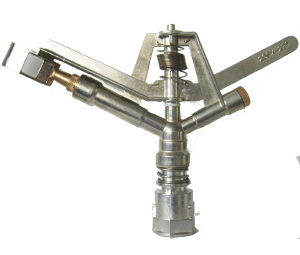
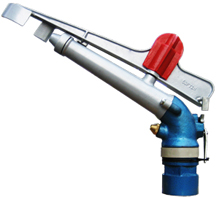
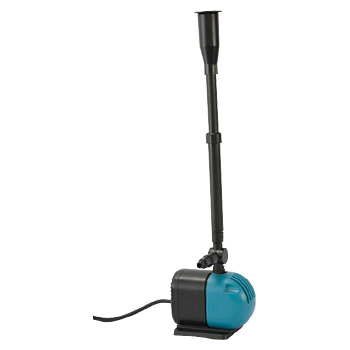
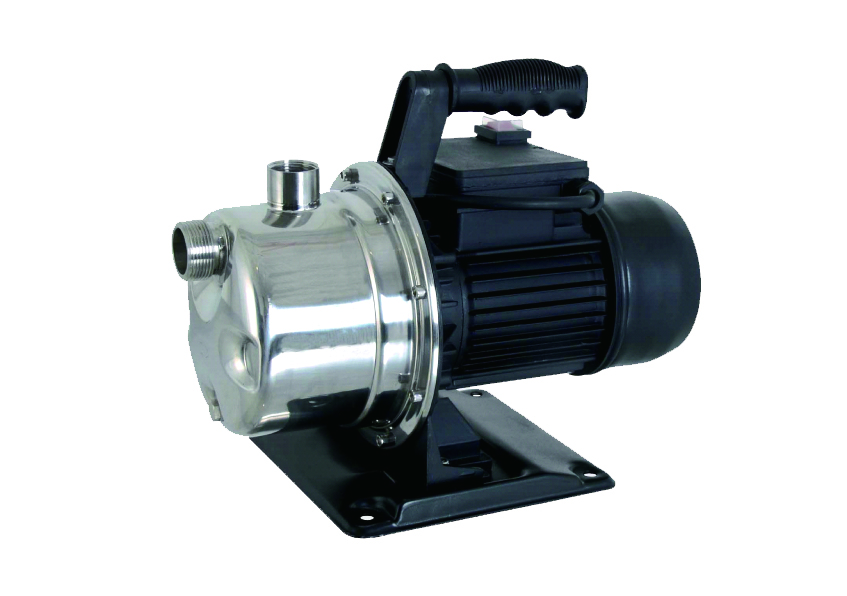
Garden Sprinklers
Source commercial-grade and residential garden sprinklers directly from vetted manufacturers and wholesale suppliers. Designed for importers, wholesale distributors, and brands seeking reliable OEM/ODM production, our network delivers high-volume irrigation solutions built to precise flow and durability standards.
Sourcing garden sprinklers at scale requires navigating a fragmented manufacturing base where external aesthetics often mask internal compromises. The primary challenge for volume buyers lies in ensuring consistent water pressure handling, long-term UV resistance, and leak-proof sealing across high-volume production runs. A profitable sourcing strategy demands strict specification of core materials and rigorous testing protocols before products ever leave the facility.
Core Material Specifications
The longevity of a garden sprinkler is dictated by its base materials and internal seals. Manufacturers primarily utilize three material categories, each with distinct tooling requirements and unit costs.
| Material Type | Typical Application | Key Sourcing Considerations |
|---|---|---|
| ABS & POM Plastics | Entry-level to mid-range residential | Must specify UV-stabilized resins to prevent brittleness; check wall thickness for pressure ratings. |
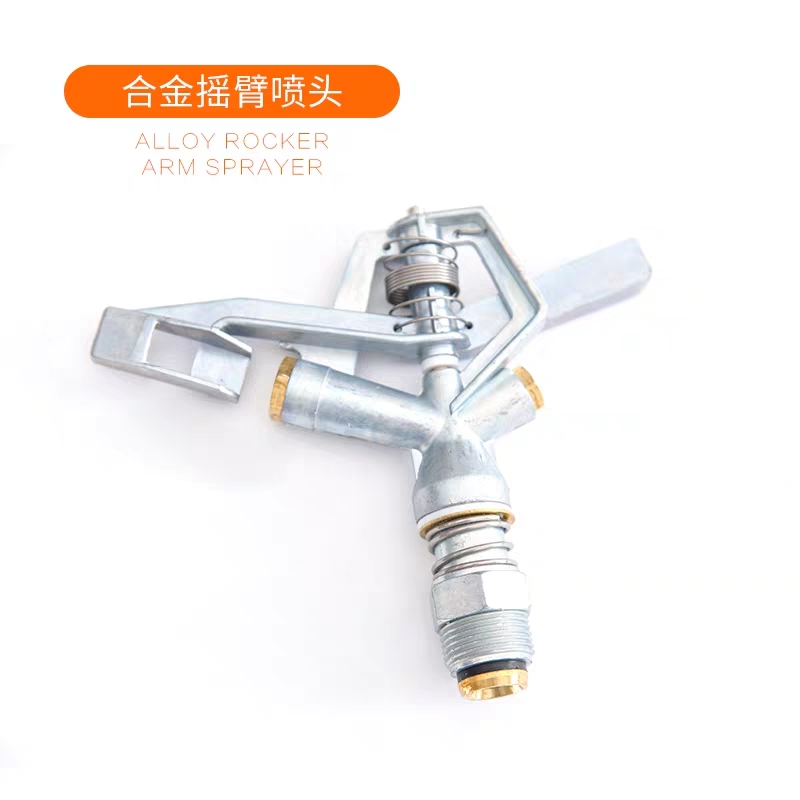
| Zinc Alloy | Mid-range to premium residential, heavy-duty spikes | Prone to corrosion if not properly powder-coated or electroplated; heavier shipping weight. |
| Machined Brass | Commercial, agricultural, premium impact sprinklers | Highest unit cost and durability; requires strict verification of copper content to avoid cheap alloys. |
Beyond the housing, the internal O-rings and washers dictate leak resistance. Always specify EPDM or NBR rubber for internal seals, as standard silicone or cheap PVC composites will degrade rapidly under constant water pressure and temperature fluctuations.
Struggling with inconsistent material quality from your current suppliers? Let us connect you with vetted manufacturers who guarantee raw material compliance.
Talk to our sourcing teamManufacturing Tolerances and Quality Control
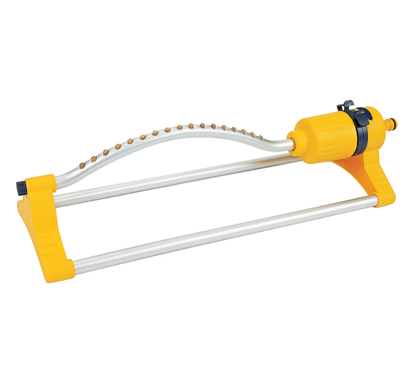
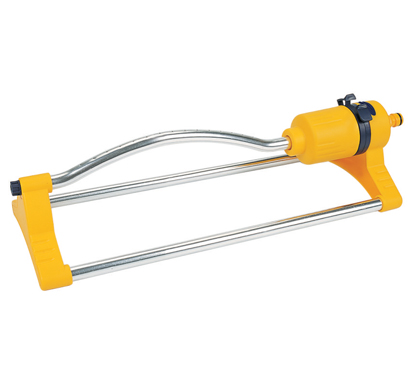
Defects in sprinklers usually manifest as jammed oscillation gears, blown seals under high pressure, or uneven spray patterns. Catching these issues requires active Quality Control & Inspection on the factory floor, focusing on both component assembly and finished-product testing.
Critical Factory-Level QC Checks for Sprinklers
- Burst Pressure Testing: Units must withstand static pressures up to 120 PSI without seal failure or housing micro-fractures.
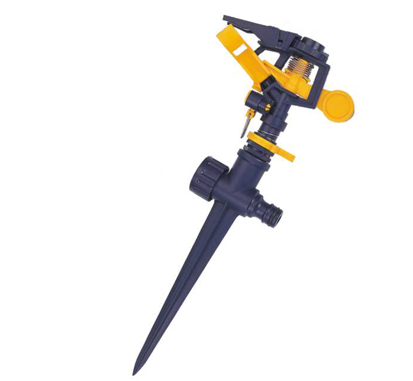
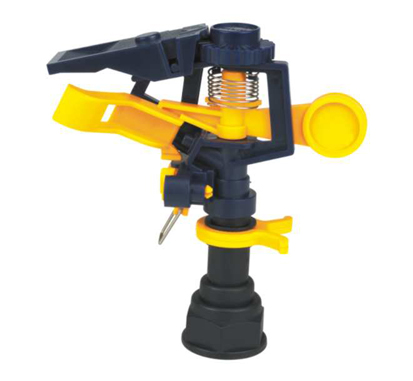
- Cycle Testing: Oscillating and impact mechanisms should be run through continuous wet-cycle tests to verify gear durability.
- Flow Rate Consistency: Ensure nozzles deliver the specified GPM (Gallons Per Minute) at standard operating pressures (e.g., 40 to 60 PSI).
- Coating Adhesion: Cross-hatch testing on painted or plated zinc/metal components to prevent flaking.
Customization and OEM/ODM Production
For brands looking to differentiate, OEM/ODM Services offer pathways to custom spray patterns, proprietary housing designs, and branded colorways. Developing a custom sprinkler typically requires investing in new injection molds (for plastics) or die-casting tooling (for zinc).
When negotiating tooling, clarify mold ownership upfront and ensure the factory uses hardened steel (like P20 or H13) if your production volumes will exceed 100,000 units over the product's lifecycle. Custom colorways generally require matching specific Pantone codes and require the factory to mix UV-resistant masterbatch during the injection process.
Buying Mechanics: MOQs, Pricing, and Lead Times
Understanding standard market parameters helps in negotiating favorable terms and planning your supply chain schedule.
Pricing is highly volatile and correlates directly with raw material costs (copper for brass, zinc, and petroleum for plastics). When evaluating quotes, ensure the manufacturer is quoting based on a specified material grade rather than a generic description. Conducting thorough Factory Audits before placing large orders is essential to verify that the supplier actually owns their tooling and assembly lines, rather than outsourcing to sub-tier workshops.
Need help negotiating MOQs or managing a custom tooling project? Our on-the-ground experts manage the entire process from factory audit to final shipment.
Get a free consultationFrequently Asked Questions
Securing reliable garden sprinklers at scale is a matter of strict specification and vigilant oversight. By controlling the raw materials, demanding rigorous pressure testing, and partnering with verified manufacturers, you can eliminate the costly defect rates that plague generic imports.
Get Sourcing Help for Garden Sprinklers
Tell us your requirements and our experts will connect you with verified manufacturers.