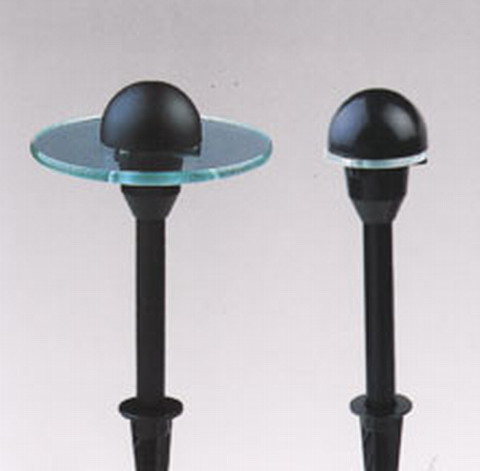
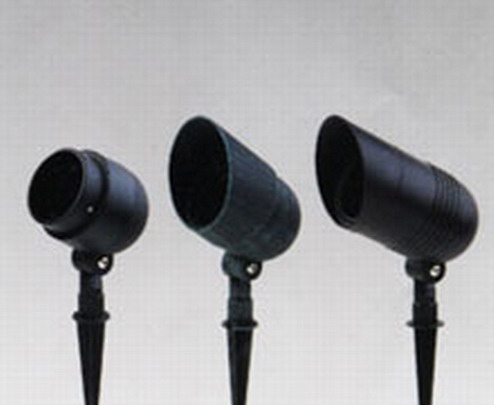
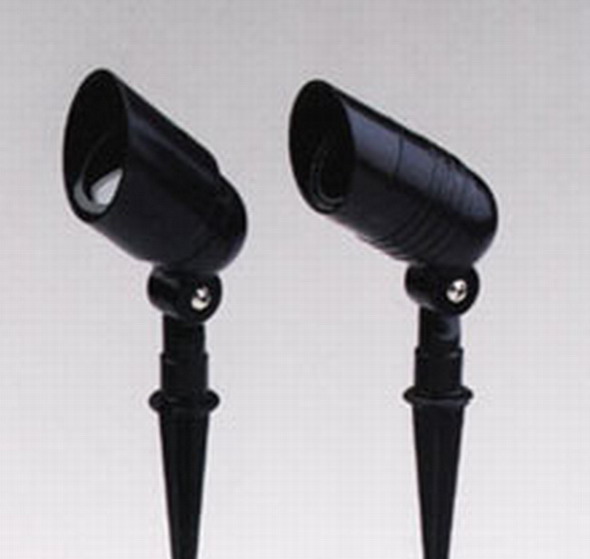
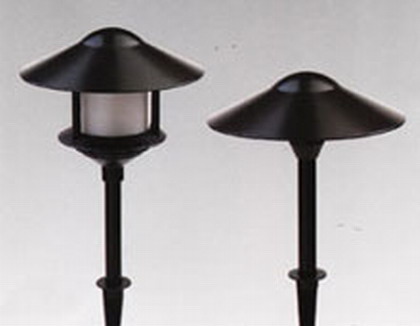
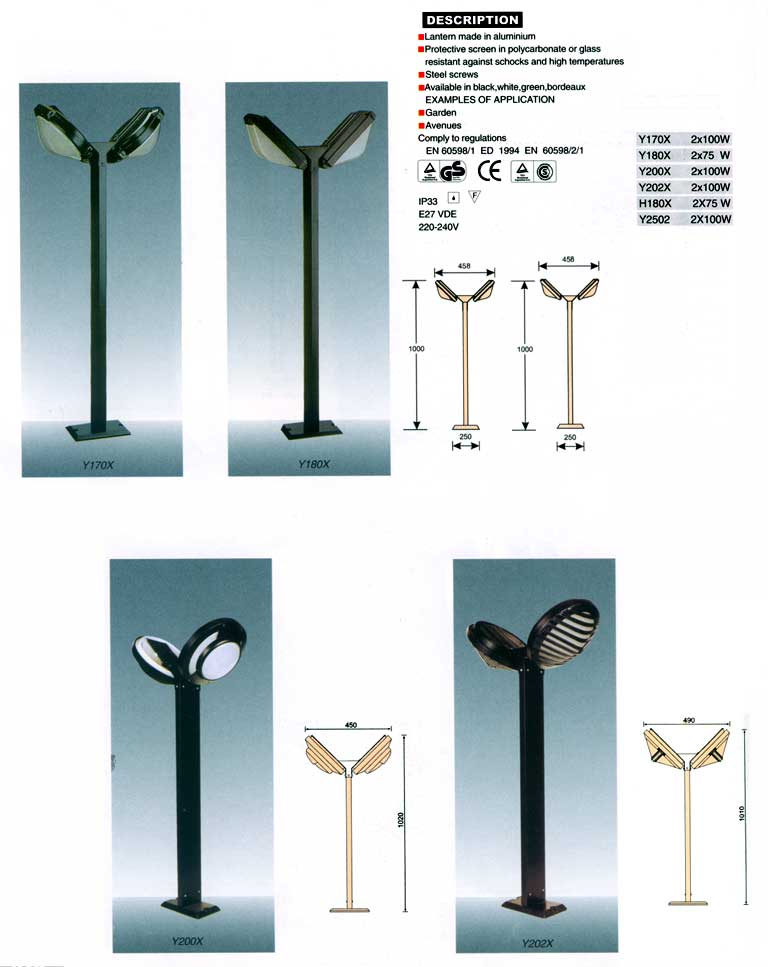
Garden Lights
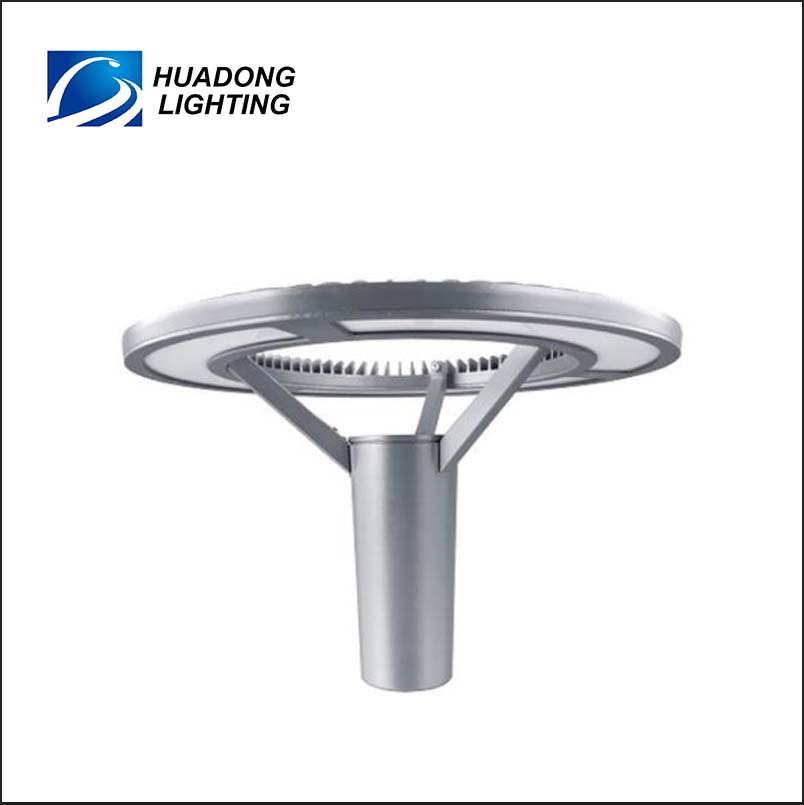
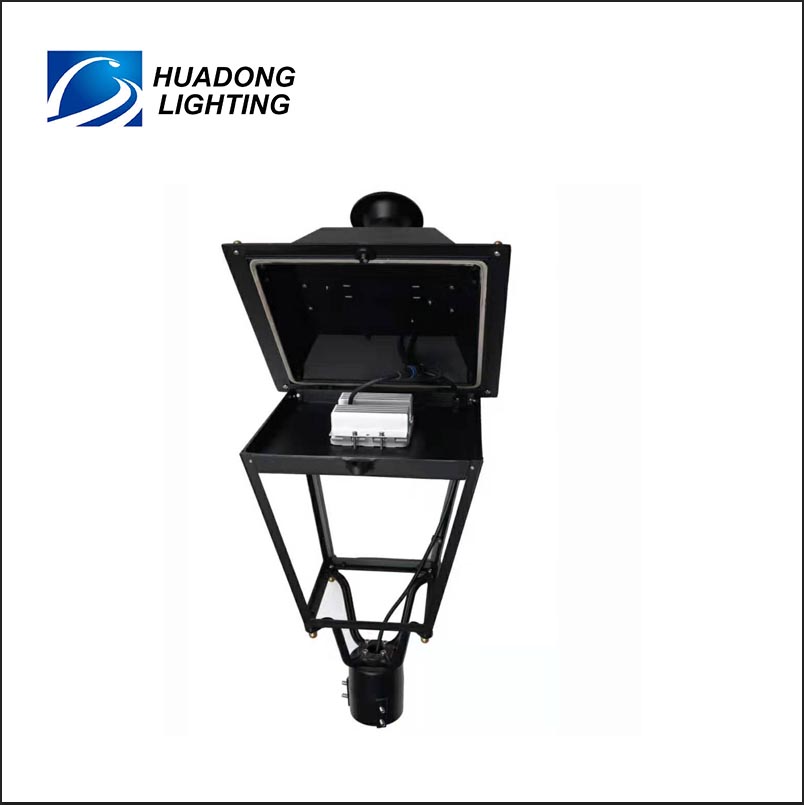
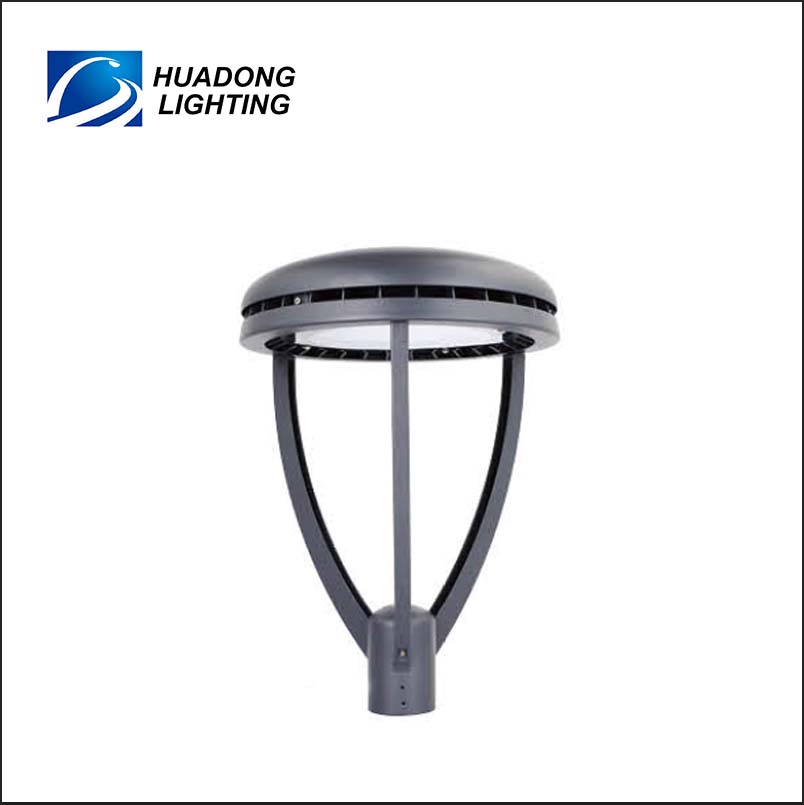
Source commercial-grade garden lights from vetted suppliers and manufacturers across Asia. Designed for importers, wholesalers, distributors, and brands seeking reliable OEM/ODM production, our network delivers high-volume outdoor lighting solutions built for durability and strict market compliance.
Sourcing garden lights at scale requires balancing aesthetic appeal with harsh environmental realities. The core challenge isn't just finding a factory that can assemble LEDs and housings; it's ensuring consistent weatherproofing, thermal management, and electrical safety across thousands of units. A failure in ingress protection or driver reliability in the field quickly destroys profit margins through returns and brand damage.
Core Specifications for Commercial Garden Lights
When negotiating with manufacturers, the bill of materials (BOM) dictates both the lifespan of the fixture and the unit cost. Off-the-shelf catalog items often compromise on internal components to hit aggressive price points.
Housing and Thermal Management
Heat is the primary enemy of LED longevity. While the exterior design sells the product, the internal heat sink geometry determines if the light will survive its rated lifespan.
| Housing Material | Thermal Dissipation | Corrosion Resistance | Typical Application |
|---|---|---|---|
| Die-Cast Aluminum | Excellent | High (requires powder coating) | Architectural & Premium Residential |
| Stainless Steel (304/316) | Moderate | Superior (316 grade) | Coastal & High-Salinity Environments |
| UV-Stabilized Polycarbonate | Poor | High (Immune to rust) | Entry-level & Budget Solar |
Electrical Components and Drivers
The LED driver is typically the first component to fail in outdoor lighting. Specify isolated drivers with built-in surge protection (minimum 2kV to 4kV for outdoor environments). If you are utilizing OEM/ODM Services to develop a custom fixture, explicitly name your preferred component brands (e.g., Mean Well, Sosen, or Inventronics) in your manufacturing agreement.
Ensure your technical specifications are accurately translated to the factory floor.
Talk to our teamQuality Control and Manufacturing Vulnerabilities
The assembly line for garden lights introduces several points where quality can slip. Proper sealing requires precise application of silicone gaskets and thermal paste. If a factory rushes assembly, gaskets can pinch, compromising the IP rating.
When conducting Factory Audits, evaluate the supplier's testing infrastructure. A reliable manufacturer will have the equipment in-house to verify their claims.
Critical Factory Floor Verifications
- Integrating Sphere: Verifies lumen output, color temperature (CCT), and color rendering index (CRI).
- IP Testing Chambers: Confirms IP65 (water jet) or IP67 (immersion) compliance.
- Aging Room: Fixtures should undergo a minimum 12 to 24-hour burn-in test at elevated temperatures.
- Salt Spray Tester: Essential for verifying the durability of powder coatings and stainless steel housings.
Relying on a factory's internal testing is risky for large orders. Implementing independent Quality Control & Inspection before the goods leave the facility ensures that the batch matches your approved golden sample, particularly regarding water ingress resistance and electrical safety.
Sourcing Solar vs. Hardwired Fixtures
The shift toward solar garden lights introduces battery chemistry and photovoltaic efficiency into your sourcing matrix.
- Batteries: Avoid older NiMH or low-grade lithium-ion cells. Specify LiFePO4 (Lithium Iron Phosphate) batteries for a longer cycle life (typically over 2,000 cycles) and better thermal stability in hot climates.
- Solar Panels: Monocrystalline panels offer higher efficiency (up to 22 percent) and a smaller footprint compared to polycrystalline alternatives. Ensure the panel is laminated with ETFE or tempered glass rather than cheap epoxy, which yellows and degrades under UV exposure.
Pricing, MOQs, and Production Realities
Tooling, component selection, and order volume heavily influence the sourcing mechanics for garden lights.
If you require custom housing designs or proprietary optics, expect MOQs to rise to 2,000 units or more to justify the injection molding or die-casting tooling costs. Tooling development typically adds 25 to 40 days to your initial lead time.
Optimize your lighting supply chain for better margins and reliable delivery.
Get a free consultationFrequently Asked Questions
Successful sourcing in the garden lighting category requires moving past superficial designs to mandate strict component standards and rigorous environmental testing. By controlling the bill of materials and enforcing strict pre-shipment inspections, buyers can eliminate the hidden costs of field failures and build a highly profitable, durable product line.
Get Sourcing Help for Garden Lights
Tell us your requirements and our experts will connect you with verified manufacturers.