Garden Hoses & Reels
Source bulk Garden Hoses & Reels directly from vetted manufacturers and suppliers. Designed for importers, wholesalers, and brands seeking OEM/private-label production, our network delivers reliable watering and irrigation solutions built to your exact specifications, ensuring compliance and consistent quality at scale.
Sourcing garden hoses and reels at volume requires a strict balance between material durability, burst pressure ratings, and production costs. The primary challenge isn't merely finding a factory; it is securing a manufacturing partner capable of maintaining consistent extrusion quality and reliable reel assembly without cutting corners on raw materials or critical fittings. When specifying production runs, buyers must navigate fluctuating resin costs and rigorous quality standards to ensure the final product performs under pressure.
Core Materials and Extrusion Specifications
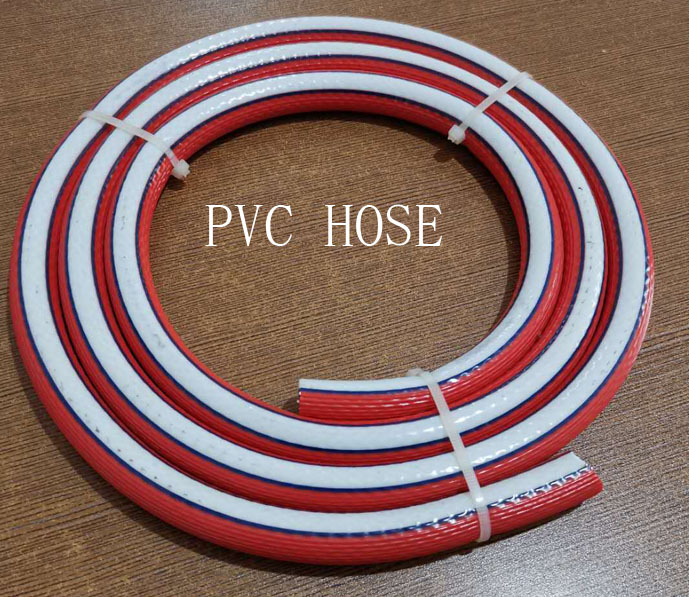
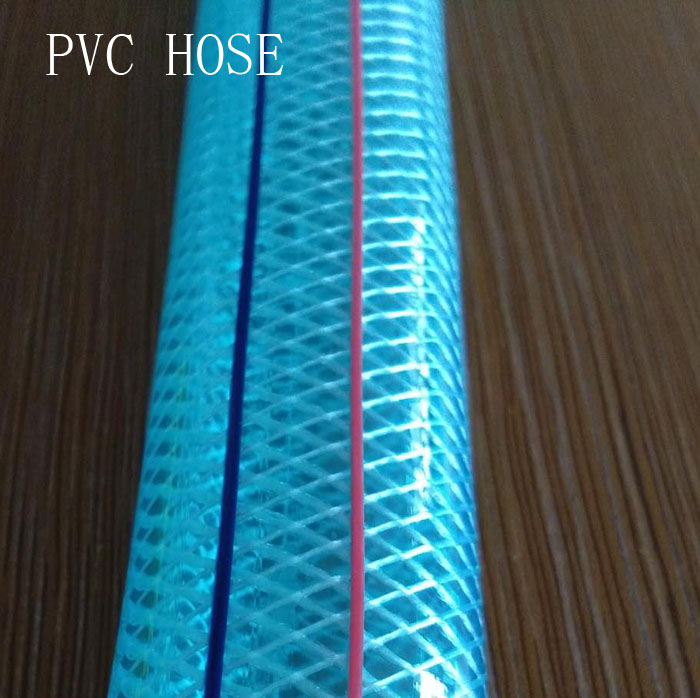
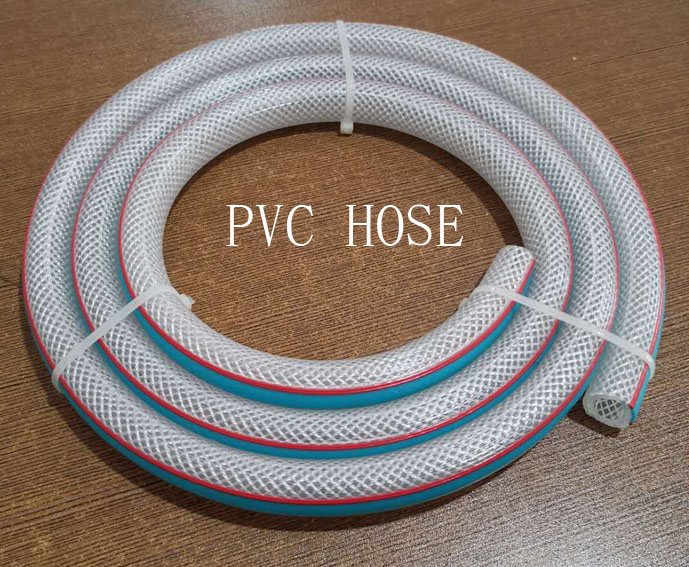
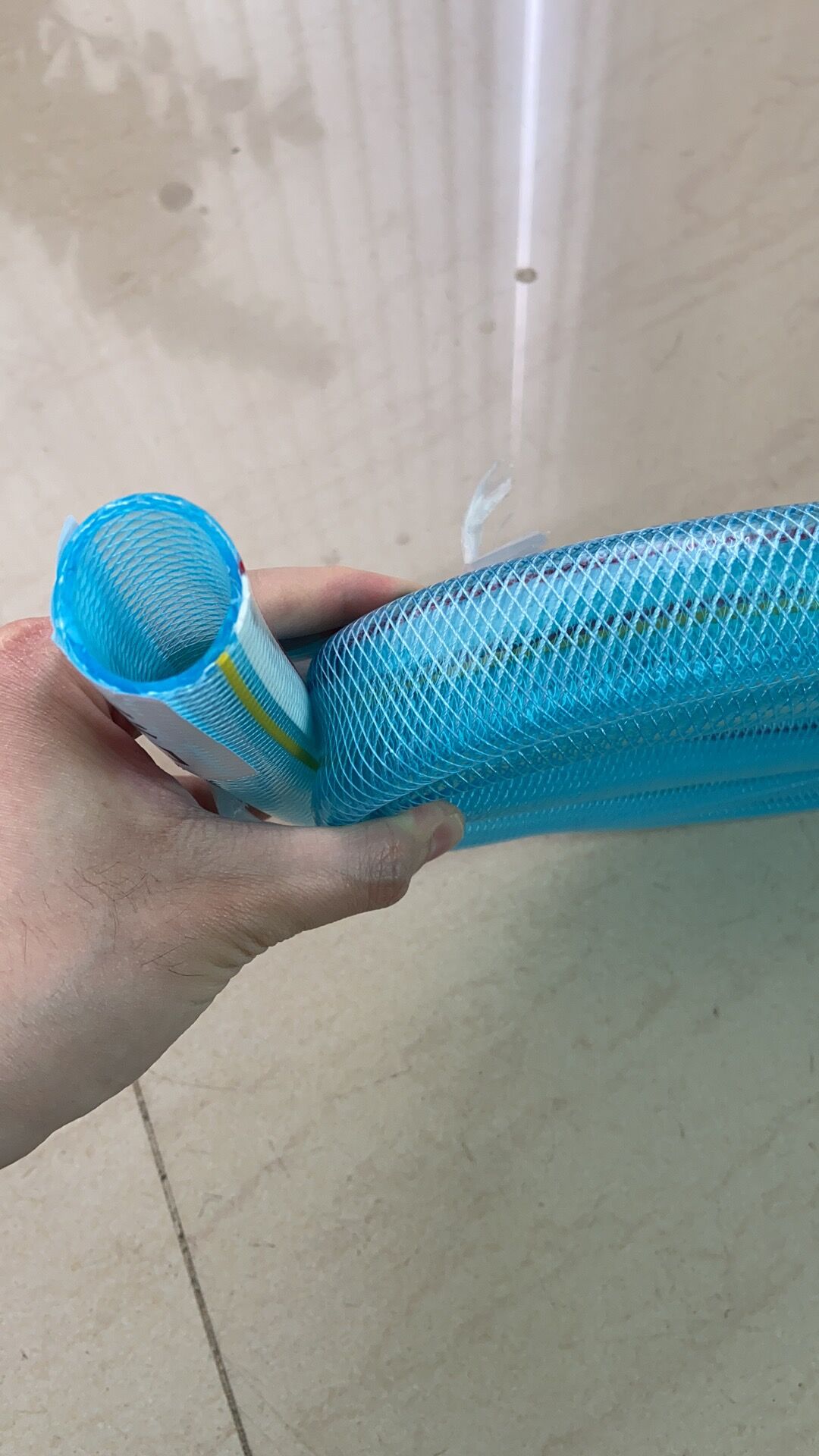
The foundation of any hose lies in its material composition and layer structure. Most standard garden hoses utilize a multi-layer extrusion process, typically involving an inner tube, a reinforcing braided or knitted mesh (usually polyester or nylon), and a protective outer jacket.
| Material | Primary Use Case | Temperature Tolerance | Cost Profile |
|---|---|---|---|
| PVC (Polyvinyl Chloride) | Standard residential, budget lines | Poor in freezing conditions | Low to Medium |
| Rubber | Commercial, heavy-duty agricultural | Excellent across extremes | High |
| Polyurethane (PU) | Premium residential, drinking water safe | Very Good | Premium |
| TPE / Latex (Expandable) | Space-saving, lightweight retail | Moderate to Good | Medium |
When specifying requirements for OEM/ODM production, you must dictate the denier of the reinforcement yarn and the exact pitch of the braiding. A tighter braid pitch increases burst pressure but reduces flexibility and increases raw material costs.
Need to verify a factory's extrusion capabilities before placing a high-volume order?
Talk to our teamQuality Control and Common Manufacturing Defects
Quality is won or lost on the factory floor during the extrusion and assembly phases. Inconsistent cooling during extrusion can lead to wall thickness variations, creating weak points that fail under pressure. Furthermore, the attachment of brass or aluminum fittings is a common failure point if the crimping machine is improperly calibrated.
Implementing rigorous quality control & inspection protocols is essential. Your pre-shipment inspection should mandate specific testing parameters.
Critical Factory Testing Requirements
- Burst Pressure Validation: Must test to at least 3x the stated working pressure.
- Fitting Pull-Off Strength: Mechanical testing to ensure crimps withstand high tensile loads.
- Accelerated UV Weathering: Essential for preventing outer jacket degradation and cracking.
- Kink Resistance Testing: Dynamic loop testing to verify structural memory.
- Reel Retraction Cycling: For auto-rewind reels, testing the internal spring mechanism for a minimum of 5,000 cycles.
For importers bringing products into strict regulatory markets, compliance & testing for restricted substances is non-negotiable. PVC hoses, in particular, must often be tested for phthalates, lead, and cadmium to meet REACH (Europe) or California Proposition 65 (US) standards.
Pricing Drivers, MOQs, and Production Lead Times
Pricing in this category is highly sensitive to raw material indices, particularly petroleum for PVC/PU and copper for brass fittings. Packaging also plays a significant role; custom display boxes for hose reels or branded shrink-wrap with retail inserts will impact your unit cost.
Suppliers often require higher MOQs for custom hose colors or proprietary reel molds. If you are developing a new auto-rewind reel design, expect to invest in custom tooling, which can take an additional 30 to 40 days before mass production begins.
Looking to optimize your landed costs or develop a custom watering and irrigation line?
Get a free consultationFrequently Asked Questions
Successfully sourcing garden hoses and reels requires looking past the surface aesthetics to the core material science and mechanical assembly. By establishing clear technical specifications, mandating strict compliance testing, and executing thorough factory audits before production, buyers can mitigate defect rates and build a reliable, high-performing product line.
Get Sourcing Help for Garden Hoses & Reels
Tell us your requirements and our experts will connect you with verified manufacturers.