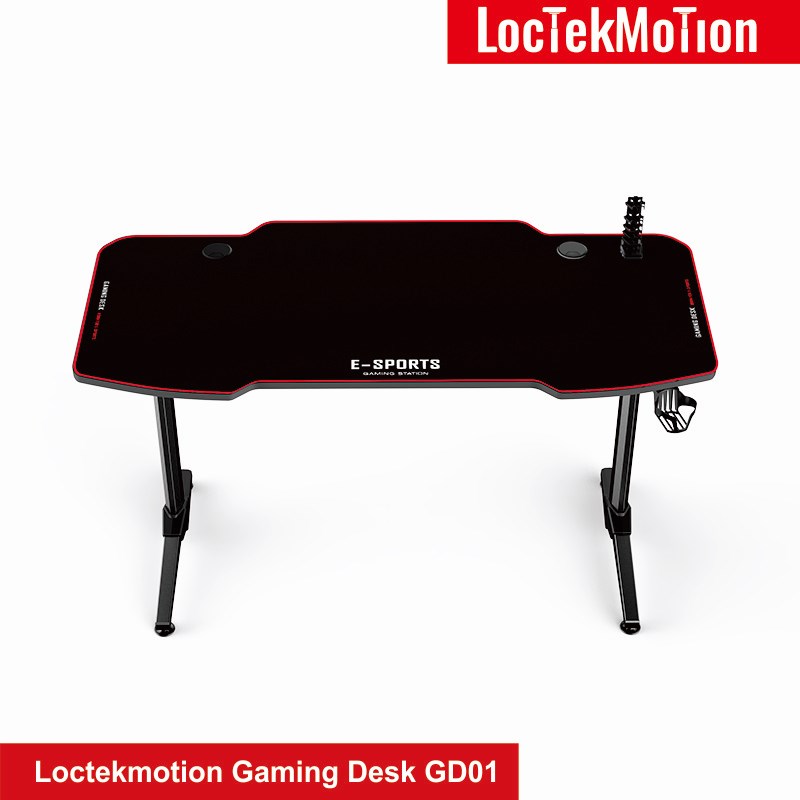
Gaming Tables
Source high-quality Gaming Tables directly from vetted manufacturers and suppliers. Designed for importers, wholesalers, distributors, and brands seeking reliable OEM and private-label production in volume. Discover competitive wholesale pricing and secure your supply chain today.
Gaming tables have evolved from standard home office desks into highly specialized, load-bearing workstations. Volume buyers sourcing this category must navigate a unique intersection of structural furniture mechanics and integrated electronics. A successful production run requires strict oversight of steel frame tolerances, surface material durability, and electronic compliance for integrated RGB lighting or motorized height adjustment systems.
Core Specifications and Material Selection
The structural integrity of a gaming table dictates its market viability. These desks must support multiple heavy monitors, mounting arms, and PC towers without lateral sway.
Frame Construction
The skeleton of the table is typically manufactured from cold-rolled carbon steel. For professional-grade stability, buyers should specify a steel wall thickness of 1.2mm to 1.5mm. Tubing thinner than 1.0mm will result in noticeable wobble, especially on larger 60-inch to 72-inch models. For brands utilizing OEM/ODM Services to develop custom leg designs (such as Z-shape, K-shape, or T-shape profiles), structural stress testing at the joints is a mandatory design phase requirement.
Desktop Substrates and Surface Treatments
The desktop material impacts both the tactile feel and the overall weight of the packaged product.
| Substrate Material | Density & Strength | Moisture Resistance | Typical Application |
|---|---|---|---|
| P2 Grade MDF | High (Excellent screw retention) | Moderate | Premium gaming desks, complex edge profiles |
| Particle Board (PB) | Medium (Prone to chipping) | Low | Entry-level to mid-tier budget desks |
| Solid Wood / Bamboo | Very High | High (If sealed properly) | High-end, executive gaming setups |
The industry standard surface finish is a carbon-fiber textured PVC film, applied via vacuum forming. This process eliminates edge banding seams where moisture or peeling typically begins. However, improper temperature control during vacuum forming can lead to micro-blistering on the surface.
Need help verifying factory capabilities for custom gaming table designs? Merhein provides end-to-end sourcing and engineering support.
Talk to our teamManufacturing Vulnerabilities and Quality Control
Producing gaming tables at scale introduces specific failure points on the factory floor. Relying on final random inspection is often too late; in-line Quality Control & Inspection is necessary to catch defects before the units are packed into their dense, heavy cartons.
Critical Quality Control Checkpoints
- Weld Integrity: Inspect robotic and manual welds on the steel frame for slag, porosity, or incomplete penetration that compromises load capacity.
- Powder Coating Adhesion: Perform cross-hatch testing on the steel legs to ensure the anti-rust powder coating does not flake under impact.
- PVC Blistering: Inspect the desktop under high-lumen lighting to detect trapped air or adhesive failure beneath the carbon-fiber PVC film.
- Pre-drilled Hole Alignment: Verify that threaded inserts (T-nuts) on the underside of the desktop align perfectly with the steel frame brackets.
- Electronic Functionality: Cycle test all RGB control modules, LED strips, and USB passthrough ports for minimum continuous operation hours.
Electronic Integration and Compliance
Modern gaming tables frequently feature integrated RGB lighting, wireless charging pads, or motorized dual-motor sit-stand mechanisms. Introducing electronics into furniture immediately triggers regulatory requirements. Buyers must ensure that all power adapters, LED controllers, and motors meet the destination market's standards (such as CE, RoHS, FCC, or UL). Partnering with factories that have a documented history of electrical safety, or utilizing robust Compliance & Testing protocols, prevents costly customs seizures or product liability issues.
Sourcing Realities: MOQs, Pricing, and Lead Times
China remains the dominant manufacturing hub for gaming tables, with production heavily concentrated in Zhejiang, Jiangsu, and Guangdong provinces. Evaluating a supplier's true capability often requires comprehensive Factory Audits to differentiate true manufacturers from trading companies.
Pricing is driven primarily by the desktop dimensions, steel thickness, and the complexity of the integrated electronics. Knock-down (KD) design is absolutely critical. Gaming tables are heavy, and inefficient packaging design will drastically inflate your landed cost per unit by wasting cubic meters in the shipping container. Ensure the factory optimizes the carton dimensions for standard pallet sizes and container internal dimensions.
Optimize your landed costs and secure reliable production for your next volume order of gaming tables.
Get a free consultationFrequently Asked Questions
Successfully sourcing gaming tables in bulk requires balancing structural hardware with consumer electronics. By enforcing strict tolerances on raw materials and maintaining rigorous oversight of the packaging and compliance processes, volume buyers can secure a reliable, profitable supply chain in this high-demand category.
Get Sourcing Help for Gaming Tables
Tell us your requirements and our experts will connect you with verified manufacturers.