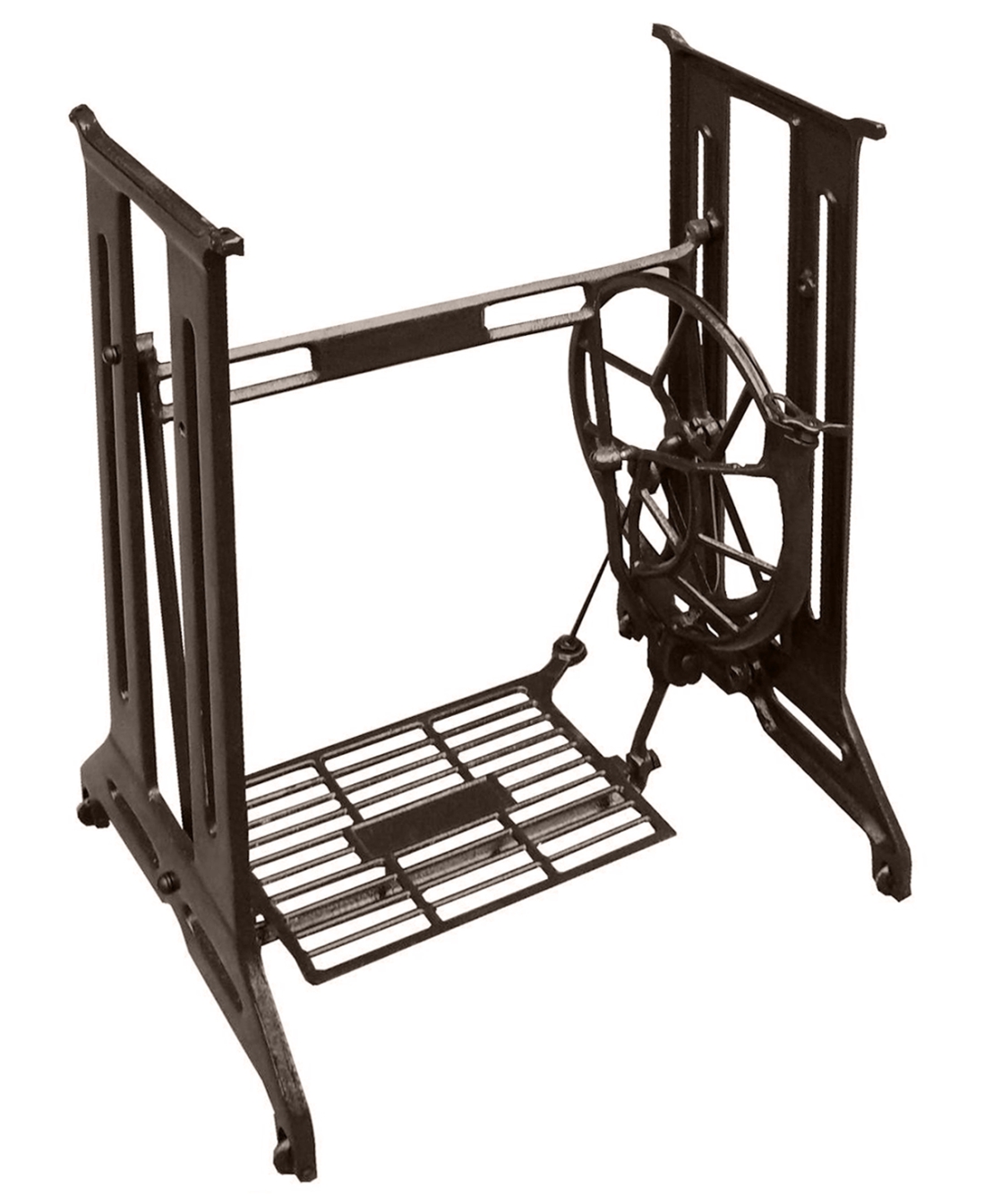
Furniture Frames
Source premium Furniture Frames from vetted suppliers and manufacturers across Asia. Designed for importers, furniture brands, and wholesalers seeking reliable OEM and private-label production, our factory-direct network ensures structural integrity, precise tolerances, and scalable volume for your assembly lines.
Sourcing furniture frames in volume requires balancing structural load capacities with strict dimensional tolerances. The frame is the invisible foundation of your final product; a frame that deviates by even a few millimeters can halt upholstery workflows, complicate final assembly, or lead to catastrophic failure in the field.
Material Specifications and Structural Tolerances
Whether you are producing commercial seating, residential sofas, or ergonomic office chairs, the raw material specification dictates the lifespan of the frame. Factories specialize in either metal fabrication or woodworking, and rarely excel at both under the same roof.
For wooden frames, moisture content is the critical metric. Timber must be kiln-dried to a moisture content between 8 and 12 percent to prevent warping and cracking across different climates. Plywood components should specify the exact grade and glue type (e.g., CARB Phase 2 compliant) to meet environmental regulations in your target market.
For metal frames, steel and aluminum tubing are standard. Buyers must specify the wall thickness—typically 1.2mm to 2.0mm for commercial applications. Thinner walls reduce weight and cost but compromise the weld penetration and overall rigidity.
| Material Type | Typical Applications | Key Sourcing Specifications |
|---|---|---|
| Kiln-Dried Hardwood | High-end residential sofas, exposed wood chairs | Moisture content (8-12%), species, defect rate |
| Engineered Plywood | Upholstered seating, modular sofas | Thickness (15-18mm standard), emission standards (CARB P2) |
| Steel Tubing | Office chairs, commercial lounge seating | Wall thickness (1.2mm+), carbon content, powder coat microns |
| Aluminum Extrusion | Outdoor furniture, lightweight stackable chairs | Alloy grade (e.g., 6061), wall thickness, anodizing thickness |
Manufacturing Controls and Common Defects
The integrity of a frame is won or lost at the joints. In metal frames, inconsistent welding (porosity, undercutting, or cold welds) creates weak points that fail under dynamic loads. In wooden frames, reliance on staples rather than proper dowel joinery, corner blocks, and heavy-duty wood glue leads to squeaking and structural loosening over time.
Because frames are often covered by upholstery, factories may cut corners on surface treatments. Even if hidden, metal frames must receive adequate anti-rust treatments (like phosphating followed by powder coating) to prevent corrosion from degrading the upholstery from the inside out. Implementing rigorous Quality Control & Inspection protocols ensures these hidden details are verified before the frames leave the factory floor.
Critical Frame Inspection Points
- Verify moisture content of all wooden components using a calibrated meter.
- Inspect weld seams for full penetration and absence of slag or porosity.
- Check dimensional tolerances against CAD drawings to ensure upholstery fits perfectly.
- Ensure corner blocks are glued and screwed, not just stapled.
- Test powder coating adhesion on metal frames using a cross-hatch test.
Struggling with inconsistent frame quality or high defect rates? Let our sourcing engineers standardize your production.
Talk to our teamTooling, Prototyping, and OEM Capabilities
Developing custom frames requires factories with advanced CNC routing (for wood) or CNC tube bending (for metal) capabilities. When engaging in OEM/ODM Services, the prototyping phase is vital. A physical sample must be tested for load-bearing capacity and fatigue, often simulating years of use. For custom metal profiles or complex molded plywood, buyers should expect upfront tooling costs. Clarify tooling ownership in your manufacturing agreement to ensure you retain control over your proprietary designs.
MOQs, Lead Times, and Pricing Dynamics
Pricing for furniture frames fluctuates based on raw material indices (steel and timber) and the complexity of the fabrication process. Knock-down (KD) frames, which are assembled at the destination, drastically reduce shipping volume and freight costs, though they require tighter machining tolerances to ensure smooth end-user assembly.
Before placing volume orders, conducting thorough Factory Audits is highly recommended. Audits confirm the supplier has the actual machinery on-site to meet your volume and tolerance requirements, rather than subcontracting the work to smaller, uncontrolled workshops.
Ready to optimize your supply chain and secure reliable factory capacity? Discuss your frame sourcing requirements with us.
Get a free consultationFrequently Asked Questions
Securing a reliable supply of furniture frames is about controlling variables—from raw material moisture to weld penetration. By clearly defining structural tolerances and enforcing rigorous inspections, you protect the foundation of your product line and ensure smooth downstream assembly.
Get Sourcing Help for Furniture Frames
Tell us your requirements and our experts will connect you with verified manufacturers.