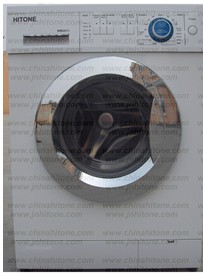
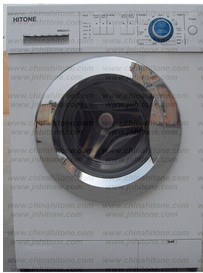
Front-Load Washers
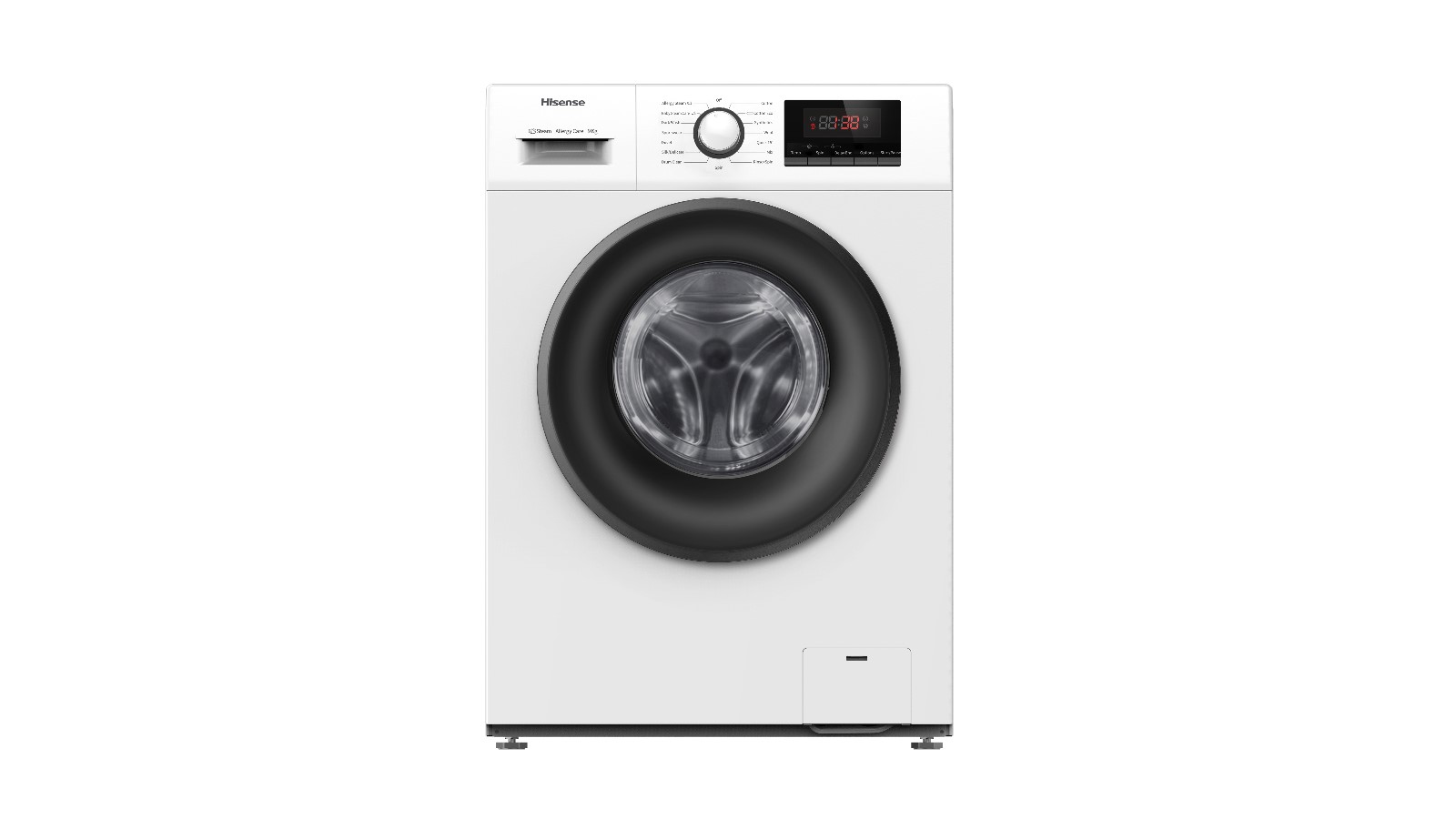
Source premium front-load washers from vetted manufacturers and suppliers in Asia. Designed for importers, appliance distributors, and brands seeking reliable OEM and private-label production, our network delivers high-efficiency, durable laundry appliances built to exact regional compliance and performance standards.
Sourcing front-load washers requires navigating a complex intersection of mechanical engineering, electronic control systems, and strict regional energy regulations. For volume buyers, the challenge isn't just finding a factory that can assemble a washing machine; it is securing a manufacturing partner capable of consistent motor calibration, leak-proof drum sealing, and reliable PCB manufacturing at scale.
Core Component Specifications
The longevity and market positioning of a front-load washer depend heavily on the internal components you specify during the negotiation phase. Assuming standard configurations without verifying the bill of materials (BOM) often leads to high return rates due to premature mechanical failure.
Motor Technologies
The drive system dictates energy efficiency, noise levels, and lifespan. Most modern front-load washers utilize either traditional Universal Motors or Brushless DC (BLDC) Inverter Motors.
| Specification | Universal Motor | BLDC Inverter Motor |
|---|---|---|
| Drive Mechanism | Brushes and commutator | Magnetic field rotation (no brushes) |
| Energy Efficiency | Moderate | High (often required for top energy ratings) |
| Noise & Vibration | Higher, especially during spin cycles | Low noise, smoother operation |
| Lifespan | Shorter (brushes wear out) | Extended (minimal mechanical friction) |
Drum and Suspension Assembly
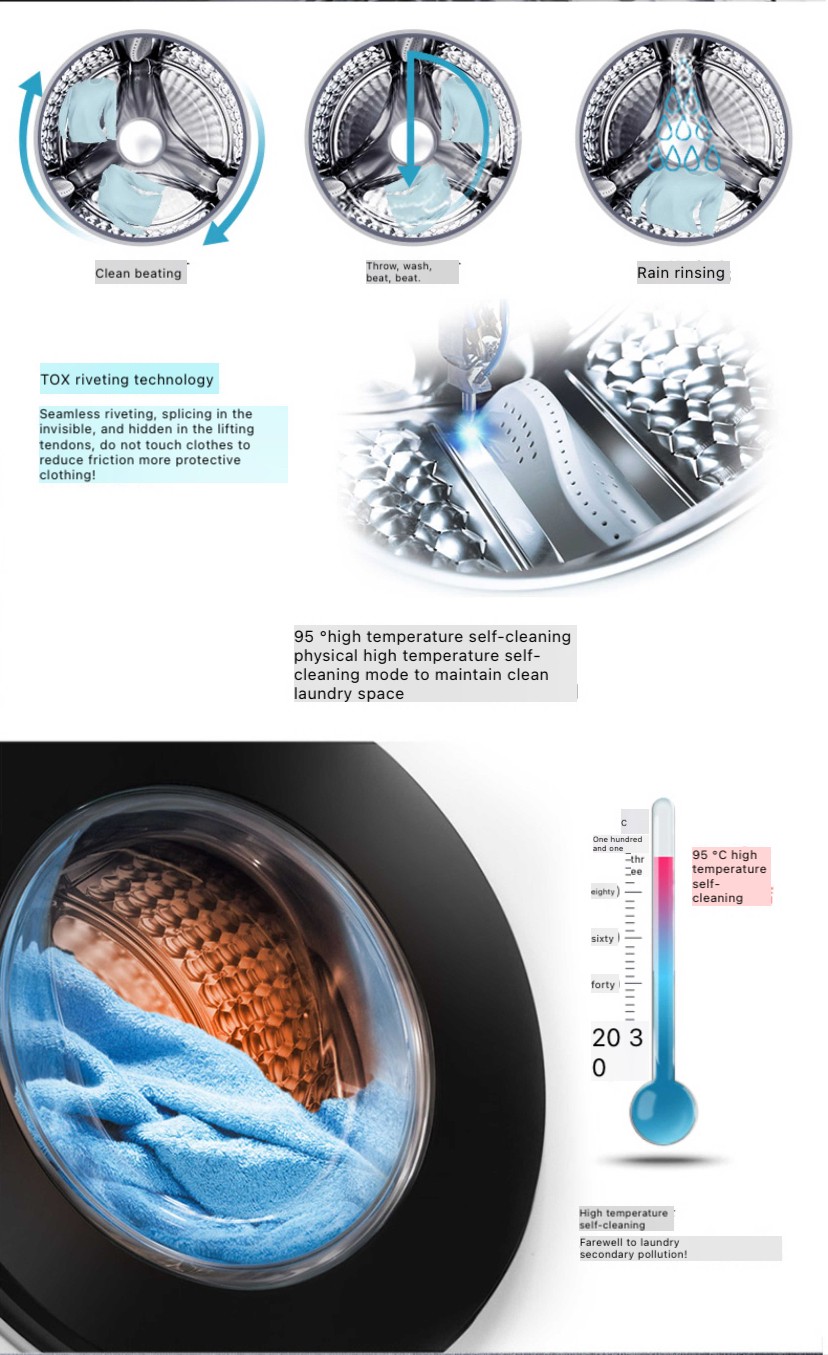
Front-load washers endure immense centrifugal forces during spin cycles (often reaching 1200 to 1400 RPM). You must specify the grade of stainless steel for the inner drum—typically 430 grade for budget models, though 304 grade offers superior rust resistance for humid environments.
Equally critical is the suspension system. A reliable factory will use high-quality shock absorbers and properly calibrated concrete or cast-iron counterweights. Poorly balanced machines will "walk" across the floor during operation, leading to immediate consumer complaints.
Struggling to verify the engineering capabilities of appliance factories? Let our experts handle the supplier vetting and technical negotiations.
Talk to our teamManufacturing Quality and Defect Prevention
Washing machine assembly involves complex electrical and plumbing integration. Catching defects before shipment is critical, as repairing major appliances in your destination market destroys profit margins. Implementing rigorous Quality Control & Inspection protocols at the factory level is non-negotiable.
Critical In-Line & Pre-Shipment Inspection Points
- Dynamic Balance Testing: Ensuring vibration remains within acceptable decibel and displacement limits during max-RPM spin cycles.
- Water Pressure & Leak Testing: Verifying the integrity of EPDM rubber door gaskets, internal hoses, and water inlet valves under high pressure.
- PCB Moisture Protection: Checking that electronic control boards are properly potted or coated to resist bathroom/laundry room humidity.
- Electrical Safety Hipot Testing: Confirming grounding continuity and high-voltage insulation resistance to prevent shock hazards.
Before committing to a manufacturer, thorough Factory Audits are essential to verify their testing equipment. A factory without automated end-of-line water and electrical testing is a severe risk for volume buyers.
Compliance and Market Certifications
Front-load washers are heavily regulated. You must ensure the factory holds valid, verifiable test reports for your target market.
- North America: UL or ETL certification for electrical safety, plus DOE and Energy Star compliance for energy and water consumption.
- Europe: CE marking (LVD and EMC directives), plus stringent ERP (Energy-Related Products) eco-design and energy labeling requirements.
Relying on a factory's past certifications is risky; components change, and standards update. Working with a partner who manages Compliance & Testing ensures your specific production run meets current border requirements.
Pricing, MOQs, and Lead Times
Because of their physical size, front-load washers are highly dependent on container optimization. Factories rarely produce these items in small batches due to the setup time on assembly lines.
If you are developing a custom fascia, specialized wash cycles, or IoT integration, engaging in structured OEM/ODM Services will extend initial lead times to account for tooling and software testing, but allows you to differentiate your brand in a crowded market.
Ready to optimize your appliance supply chain? Discuss your MOQ, pricing, and compliance requirements with our sourcing specialists.
Get a free consultationFrequently Asked Questions
Successfully sourcing front-load washers requires a rigorous approach to mechanical specifications, factory vetting, and quality assurance. By tightly controlling the bill of materials and enforcing strict end-of-line testing, buyers can secure reliable appliances that build brand trust and protect profit margins from post-sale service costs.
Get Sourcing Help for Front-Load Washers
Tell us your requirements and our experts will connect you with verified manufacturers.