Fountain Lights
Source commercial-grade fountain lights directly from vetted manufacturers and wholesale suppliers. Designed for importers, distributors, and brands seeking reliable OEM/private-label production, our network delivers high-performance underwater lighting with verified IP68 ratings and rigorous quality control.
Sourcing underwater lighting requires navigating a zero-tolerance environment for component failure. Fountain lights face constant hydrostatic pressure, chemical exposure from chlorine or algaecides, and thermal stress. For bulk buyers and procurement managers, the challenge is not simply finding a factory that claims IP68 compliance, but verifying the engineering and manufacturing processes that ensure long-term reliability in submerged applications.
Water ingress is the leading cause of failure, making the bill of materials (BOM) and factory-level assembly protocols the most critical factors in your sourcing strategy.
Core Specifications and Housing Materials
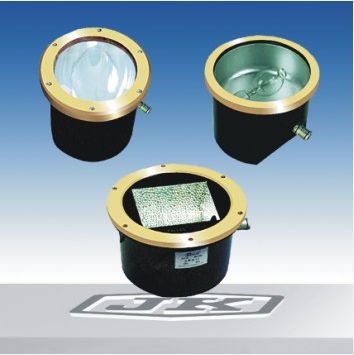
The physical construction of a fountain light dictates its lifespan. Because these fixtures operate in chemically treated water, standard materials degrade rapidly. Specifying the correct housing material and sealing method is non-negotiable.
| Housing Material | Corrosion Resistance | Typical Application | Cost Impact |
|---|---|---|---|
| 304 Stainless Steel | Moderate | Standard freshwater fountains | Baseline |
| 316L Stainless Steel | High | Chlorinated or saline environments | Premium (+20-30%) |
| Brass / Bronze | Very High | Architectural/heavy-duty aquatic | Highest |
| Plastic / ABS | Chemical resistant, but brittle | Low-budget residential | Lowest |
Beyond the metal, the sealing architecture determines true IP68 performance. High-end manufacturers utilize a dual-seal approach: structural silicone gaskets combined with full epoxy resin potting inside the housing. The resin eliminates internal air pockets, ensuring that even if the primary gasket fails, water cannot reach the LED board or driver components.
Need help verifying a supplier's engineering capabilities? We can audit factories to ensure they have the right pressure-testing equipment for true IP68 validation.
Talk to our teamManufacturing Tolerances and Quality Control
The factory floor is where fountain lights succeed or fail. The most vulnerable point of any underwater fixture is the cable entry gland. If the factory uses substandard rubber seals or fails to torque the gland correctly, capillary action will draw water directly down the cable jacket into the housing.
To prevent this, rigorous Quality Control & Inspection must be implemented before shipment. Standard submersion in a shallow tank is insufficient for commercial fountain lights.
Critical Factory-Level QC Checks
- Pressure vessel testing simulating 2 to 5 meters of depth for a minimum of 24 hours.
- Visual and tactile inspection of epoxy resin potting to ensure zero air bubbles.
- Verification of anti-siphon cable glands and proper torque application.
- Spectrometer testing to confirm the exact alloy composition (e.g., verifying true 316L vs 304 stainless).
- Thermal testing to ensure adequate heat dissipation when operated at maximum output.
Running thorough Factory Audits prior to placing volume orders allows you to confirm whether a supplier actually owns pressure testing vessels and spectrometer equipment, separating true manufacturers from mere assemblers.
OEM/ODM Customization and Control Protocols
For commercial projects, fountain lights are rarely standalone fixtures; they are part of a synchronized aquatic display. This requires precise integration of control protocols.
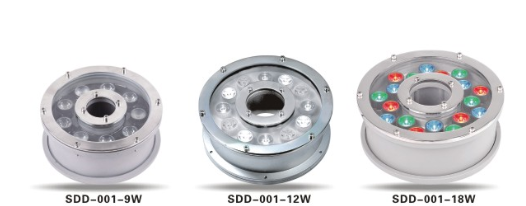
When utilizing OEM/ODM Services for private-label lines, buyers must specify the communication standards. DMX512 is the industry standard for RGBW color-changing synchronization, requiring built-in or external decoders. Furthermore, custom cable lengths are a mandatory specification. Splicing cables underwater is a massive failure risk; factories must extrude and attach continuous, molded IP68 cables to the exact length required by the installation.
Pricing, MOQs, and Lead Times
Fountain light pricing is highly elastic, driven primarily by the weight of the stainless steel, the quality of the LED chips (e.g., CREE, Osram, or standard Epistar), and the complexity of the internal driver (constant current vs. constant voltage, DMX integration).
Looking to optimize your bill of materials and negotiate better pricing? Let our sourcing experts help you structure your next bulk order.
Get a free consultationFrequently Asked Questions
Successfully sourcing fountain lights in bulk demands strict attention to metallurgical composition and sealing architecture. By locking down the BOM and enforcing pressure-vessel testing on the factory floor, importers can drastically reduce defect rates and deliver commercial-grade reliability to their end users.
Get Sourcing Help for Fountain Lights
Tell us your requirements and our experts will connect you with verified manufacturers.