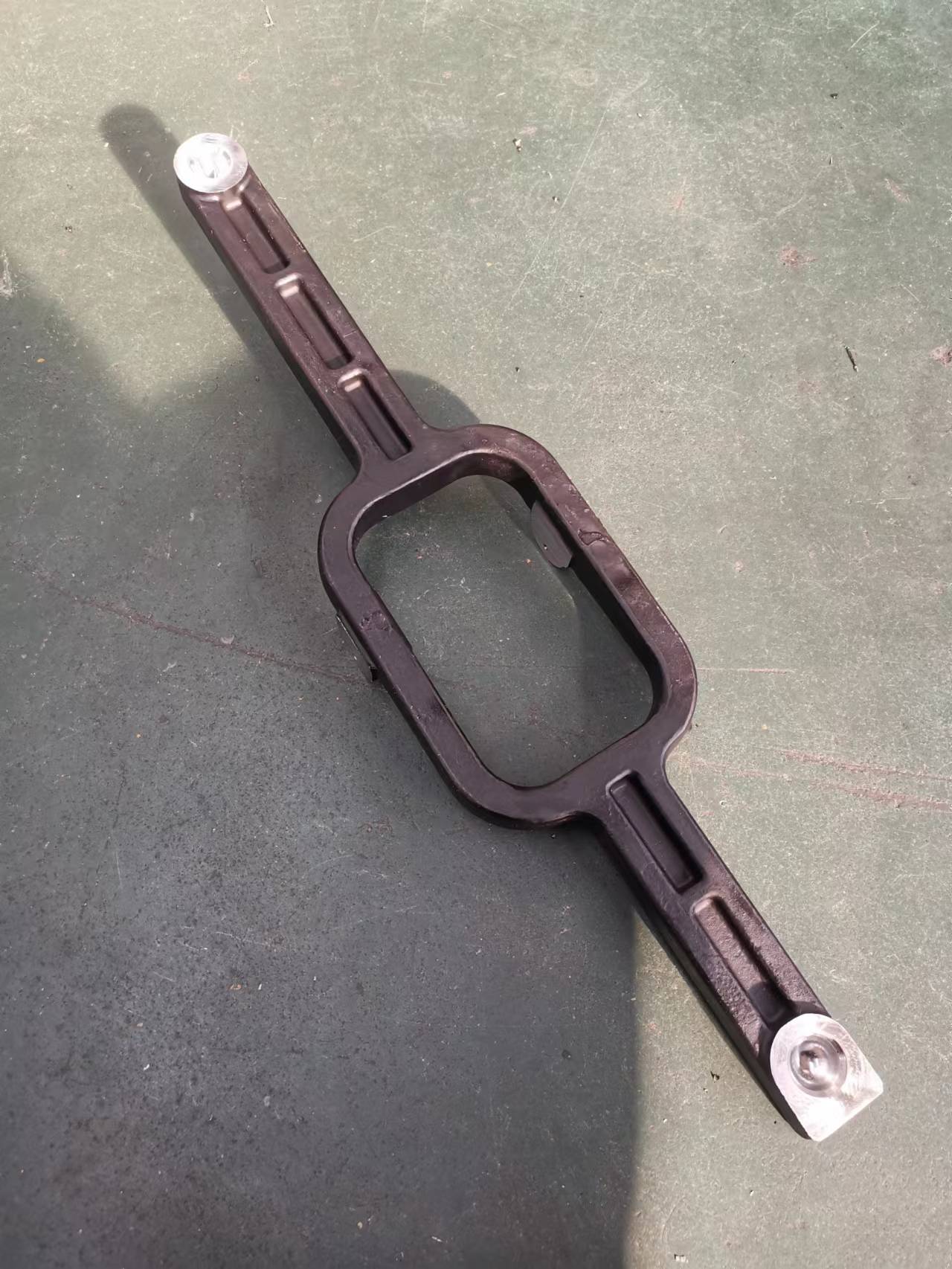
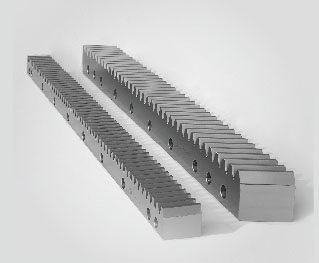
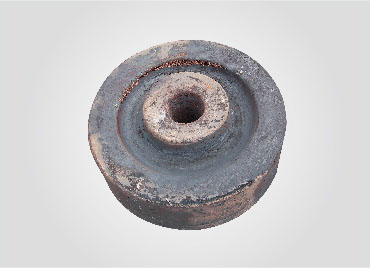
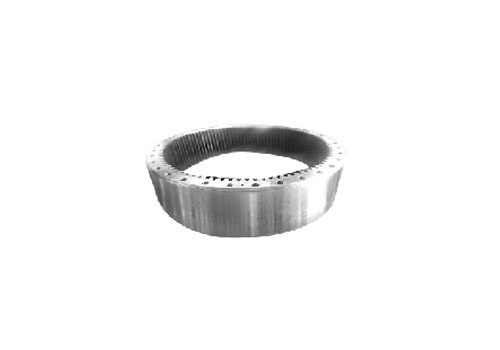
Forging Services
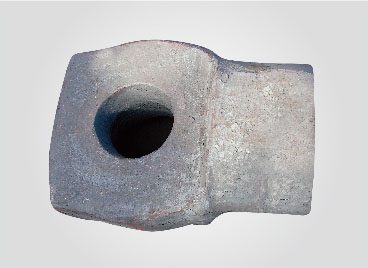
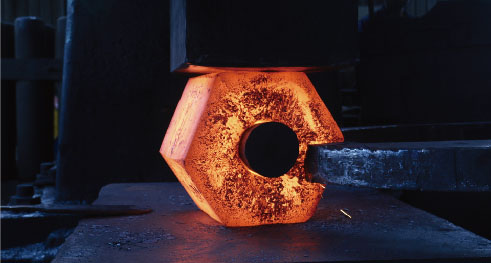
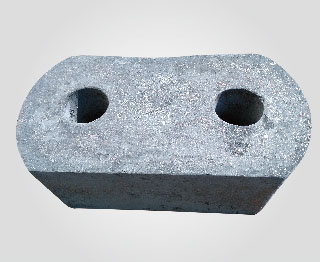
Source high-precision Forging Services from vetted suppliers and manufacturers across Asia. Designed for importers, industrial distributors, and brands requiring reliable OEM production, our network delivers bulk custom forged components built to exact metallurgical standards.
Sourcing custom forging services requires balancing metallurgical integrity with production scale. Whether you are procuring heavy open-die structural components or high-volume closed-die automotive parts, the capability of the factory dictates the mechanical properties of your final product. Finding a manufacturer that can consistently hit tolerances while managing tooling costs, material flow, and proper heat treatment is the critical challenge for procurement teams.
Specifying Your Forging Requirements
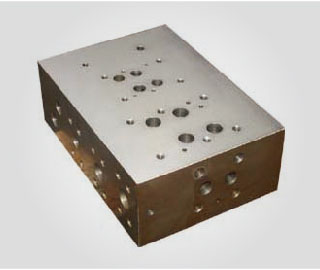
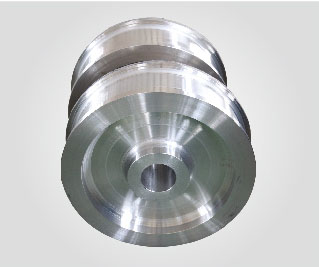
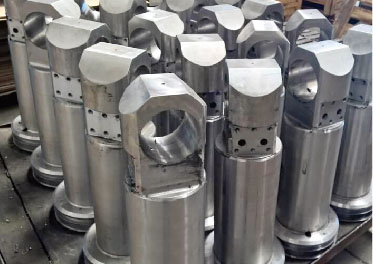
Forging is not a one-size-fits-all process. The method used directly impacts the grain structure, strength, and unit cost of the component. When engaging suppliers for custom OEM/ODM Services, you must clearly define the manufacturing method based on your volume and geometric complexity.
| Forging Method | Ideal Application | Tooling Investment | Typical Production Volume |
|---|---|---|---|
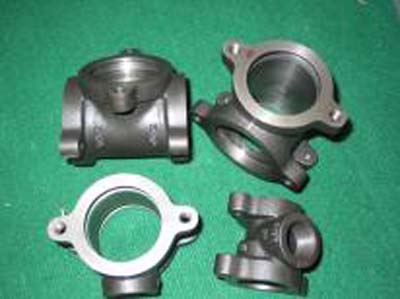
| Closed-Die (Impression) | Complex, near-net shapes | High (Custom Dies) | High volume |
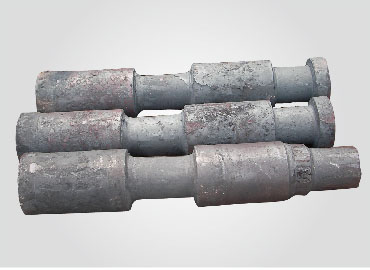
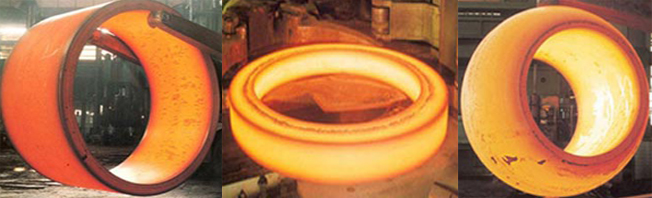
| Open-Die | Large, simple geometries (shafts, cylinders) | Low to None | Low volume / Custom |
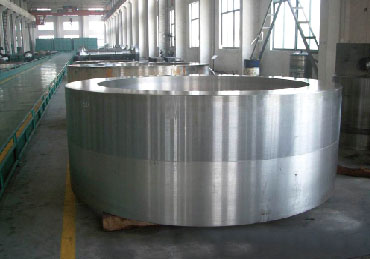
| Rolled Ring | Symmetrical circular parts (flanges, bearings) | Medium | Medium to High volume |
Beyond the method, material specification is paramount. You must dictate the exact grade of carbon steel, alloy steel, aluminum, or titanium required. Suppliers should be able to provide detailed mill certificates for all raw billets to guarantee the chemical composition before forging begins.
Struggling to find a forging partner with the right press capacity and quality controls?
Talk to our teamMitigating Quality Risks on the Factory Floor
The structural advantages of forging—specifically the continuous grain flow that follows the contour of the part—are easily compromised by poor factory practices. Improper heating, inadequate press tonnage, or flawed die design can lead to critical failures.
When evaluating a new facility, conducting thorough Factory Audits is essential to verify their equipment and process controls. Look out for these common manufacturing defects:
- Cold Shuts: Caused by metal folding over itself during the forging stroke, creating a weak spot. Often a result of improper die design or insufficient heating.
- Surface Cracking: Occurs when the material is forged at temperatures outside its optimal working range or cooled too rapidly.
- Scale Pits: Resulting from a failure to properly descale the billet before it enters the die, leaving depressions on the finished surface.
Essential Factory Verification Criteria
- Verify press tonnage capacity aligns with the size and material density of your part
- Review calibration records for induction heaters and heat treatment furnaces
- Ensure in-house NDT (Non-Destructive Testing) capabilities like ultrasonic or magnetic particle inspection
- Confirm die-maintenance schedules to prevent tolerance drift from die wear
Catching these issues post-production is costly. Implementing rigorous Quality Control & Inspection protocols, including first-article inspection and in-line NDT testing, ensures defects are identified before bulk shipment.
Buying Mechanics: MOQs, Tooling, and Lead Times
Procuring forging services involves distinct cost structures, heavily weighted by tooling and setup times. Unlike CNC machining, closed-die forging requires significant upfront investment in custom steel dies.
Tooling Amortization and Ownership
When negotiating with manufacturers, clarify die ownership upfront. Some factories offer subsidized tooling costs in exchange for higher piece prices or exclusive production rights. Ensure your contract explicitly states that you own the dies upon full payment, allowing you to move production if the supplier's quality degrades.
Production Lead Times
After tooling is approved via first-article samples, bulk production lead times typically range from 30 to 60 days. This timeline can fluctuate based on raw material availability and the complexity of post-forging processes, such as normalization, quenching, tempering, and final CNC machining.
Need help negotiating tooling ownership and production schedules with overseas forging facilities?
Get a free consultationFrequently Asked Questions
Securing reliable forging services demands a deep understanding of metallurgy, die design, and factory capabilities. By focusing on stringent equipment verification and clear tooling agreements, you can establish a supply chain that delivers structurally sound components at scale. If managing these technical and operational hurdles is straining your procurement resources, expert sourcing support can help bridge the gap.
Get Sourcing Help for Forging Services
Tell us your requirements and our experts will connect you with verified manufacturers.