Forging Products
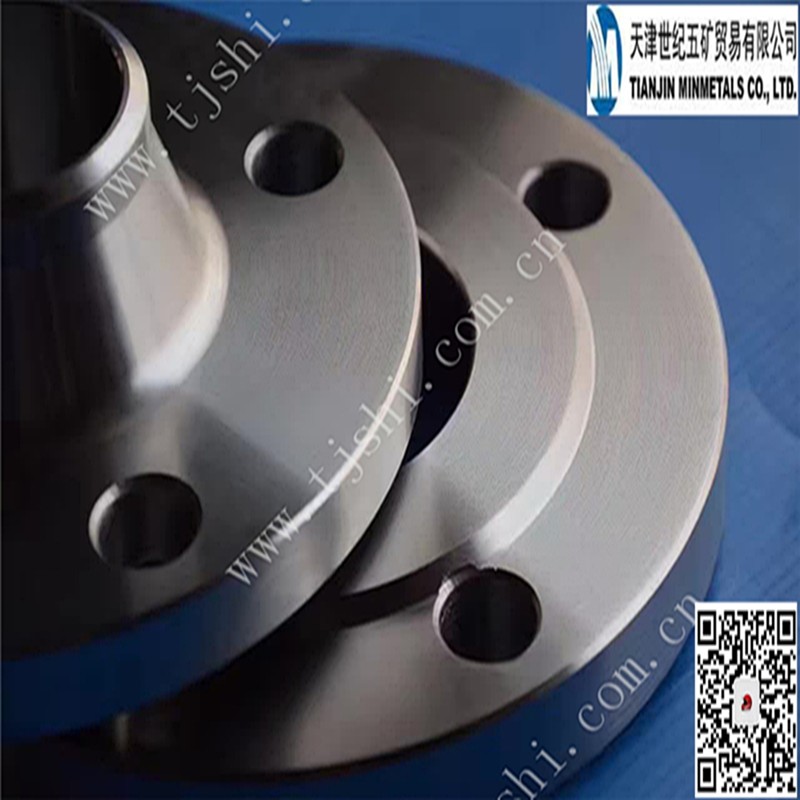
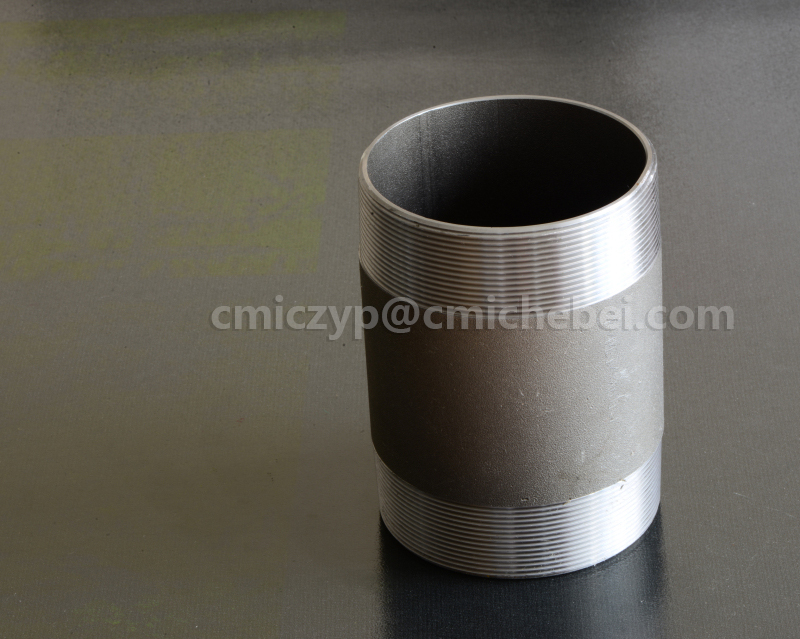
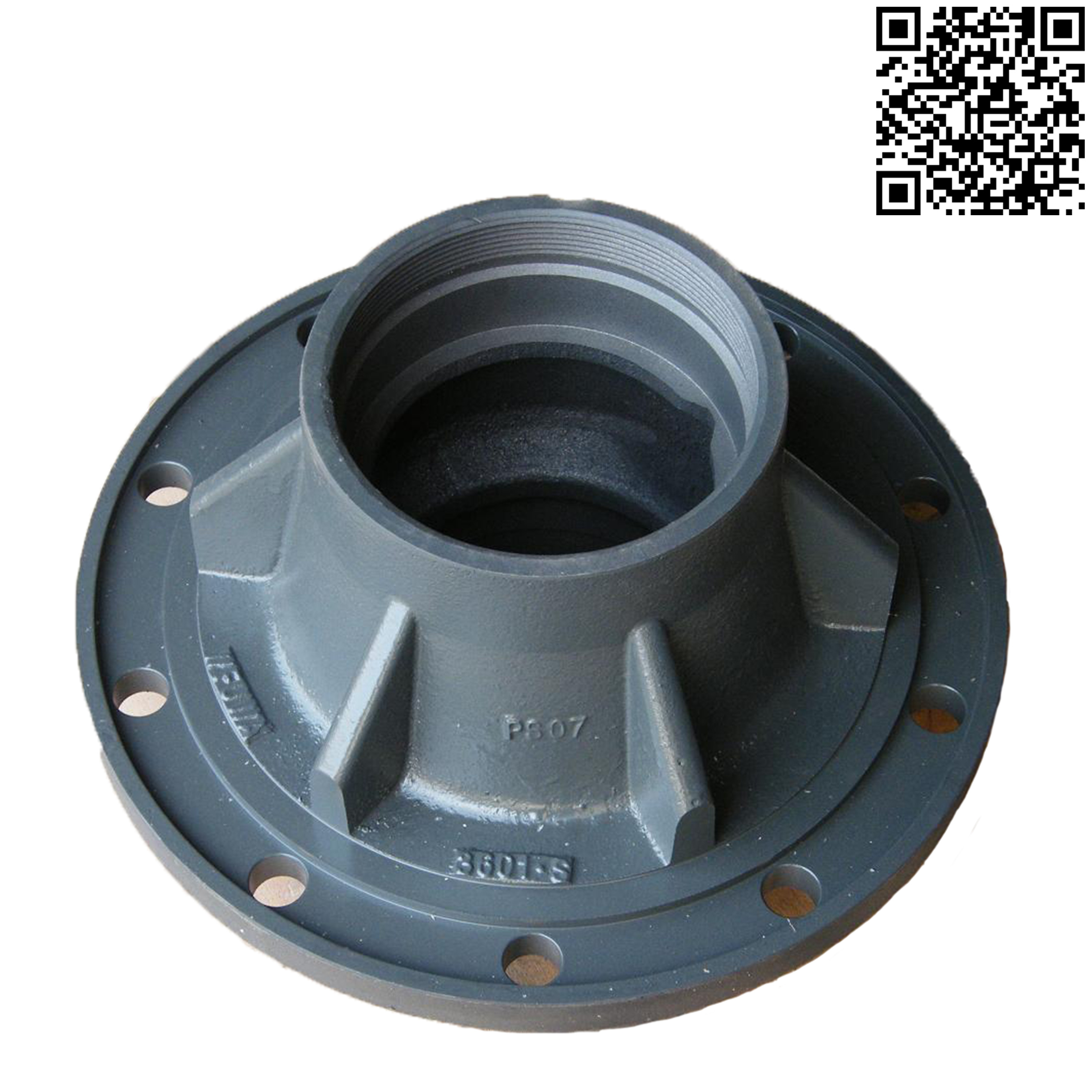
Source high-strength forging products from vetted suppliers and manufacturers across Asia. Designed for industrial importers, wholesalers, and brands requiring custom OEM production, our network delivers precision-engineered forged components built to strict tolerances and international metallurgy standards for heavy-duty applications.
Forged products are the backbone of high-stress industrial machinery, prized for their superior strength-to-weight ratios and continuous grain flow. Unlike castings or machined-from-billet parts, forgings eliminate internal voids and align the metal's grain structure to the part's shape, maximizing fatigue resistance. However, sourcing forged components at scale is a highly technical endeavor. Success requires strict oversight of metallurgical standards, expensive tooling precision, and exact heat treatment protocols.
Selecting the Right Forging Process
The manufacturing method dictates your tooling investment, per-unit cost, and the amount of secondary machining required. Matching your volume and dimensional requirements to the supplier's primary capabilities is the first step in successful procurement.
| Process | Volume Suitability | Tooling Cost | Typical Tolerances |
|---|---|---|---|
| Open Die Forging | Low to Medium | Low | Loose (Requires heavy machining) |
| Closed Die (Impression) | High Volume | High | Tight (Net or near-net shape) |
| Seamless Rolled Ring | Medium to High | Moderate | Medium (Optimized for circular parts) |
When evaluating a manufacturer, you must look beyond their forging presses. A capable supplier should have robust in-house die design, CNC machining centers for secondary operations, and controlled heat treatment furnaces. Relying on a factory that outsources its heat treatment significantly increases the risk of metallurgical inconsistencies.
Need to match your technical drawings with the right forging facility?
Talk to our teamMaterial Integrity and Quality Control
The physical properties of a forging are only as good as the raw steel billet or aluminum ingot used. Manufacturers must provide verifiable Material Test Reports (MTRs) detailing the chemical composition and mechanical properties of the heat lot.
Because internal defects in forgings can lead to catastrophic failure in the field, visual inspection is never enough. Implementing rigorous Quality Control & Inspection protocols at the factory level is non-negotiable.
Critical Inspection Points for Forgings
- Ultrasonic Testing (UT): Detects internal flaws, voids, or inclusions deep within the metal.
- Magnetic Particle Inspection (MPI): Identifies surface and near-surface micro-cracks.
- Hardness Testing: Verifies that normalizing, quenching, and tempering processes achieved the specified Rockwell/Brinell hardness.
- Dimensional Verification: Ensures shrinkage and die wear have not pushed the part out of tolerance before secondary machining.
- Grain Flow Analysis: Destructive testing on sample batches to confirm proper grain alignment along high-stress axes.
Sourcing Mechanics: MOQs, Tooling, and Lead Times
When sourcing custom forgings through OEM/ODM Services, tooling (die) creation is the primary hurdle. Closed die forging requires custom tooling made from high-grade tool steel, which must withstand immense thermal and mechanical shock.
Tooling Ownership and Maintenance
Always clarify tooling ownership in your manufacturing agreement. If you pay for the die, you should own it. Furthermore, confirm who bears the cost of die maintenance and eventual replacement once the tool degrades. Reliable factories will track "shots" (press cycles) and perform preventative maintenance on the dies to maintain dimensional accuracy over long production runs.
The Importance of Capability Verification
Forging requires massive capital equipment—drop hammers, hydraulic presses, and induction heaters. Many trading companies claim to be manufacturers but simply outsource to smaller, poorly equipped workshops. Conducting comprehensive Factory Audits is essential to verify press tonnage capacity, ISO 9001/TS 16949 certifications, and the actual condition of their testing laboratories.
Ensure your supply chain is built on verified, capable manufacturing partners.
Get a free consultationFrequently Asked Questions
Sourcing industrial forging products requires balancing heavy tooling investments with long-term unit cost savings. By thoroughly vetting a factory's metallurgical capabilities, NDT testing facilities, and in-house machining capacity, you can secure reliable components that meet the exact demands of your application. Professional oversight throughout the process ensures that tolerances are held and material standards are never compromised.
Get Sourcing Help for Forging Products
Tell us your requirements and our experts will connect you with verified manufacturers.