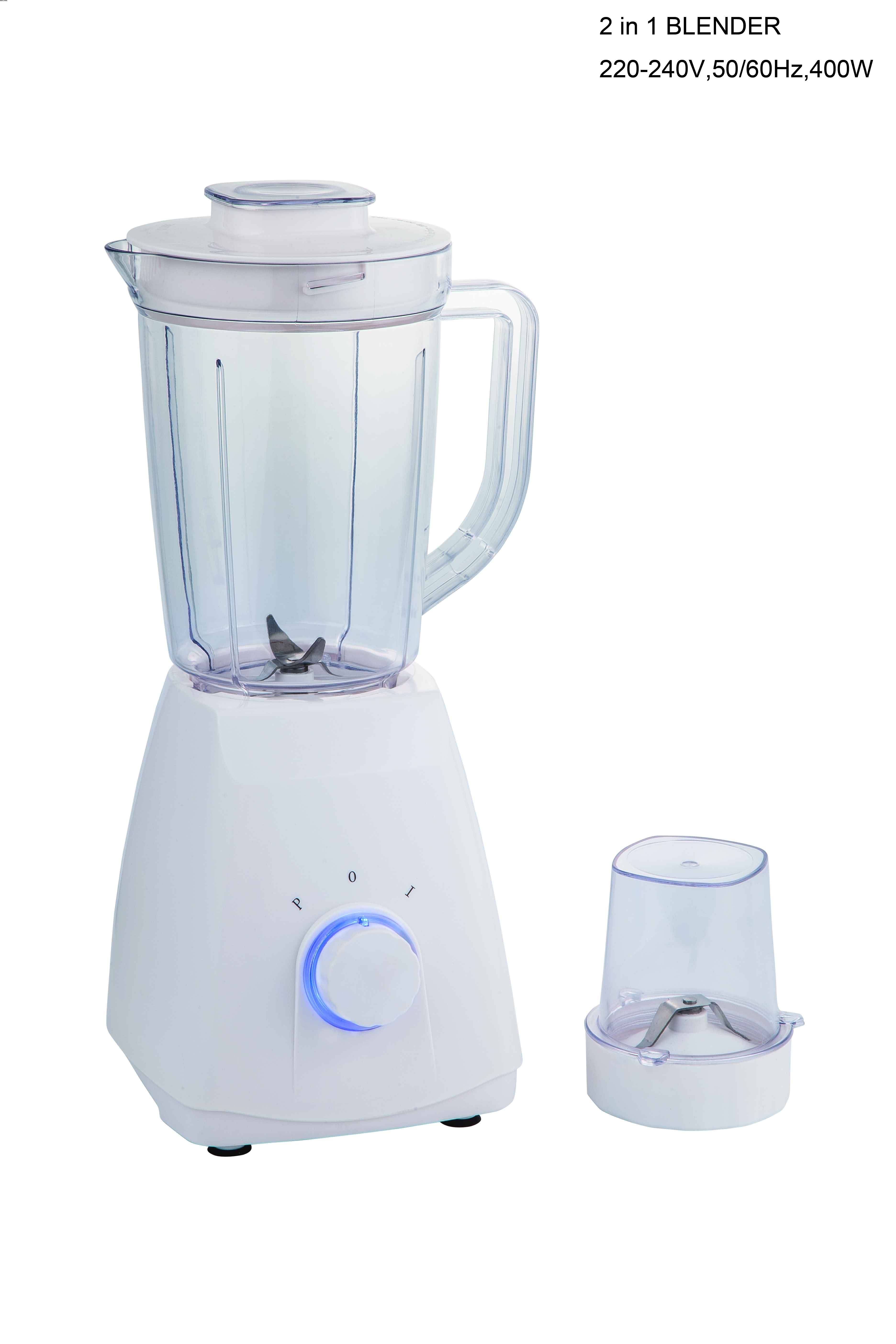
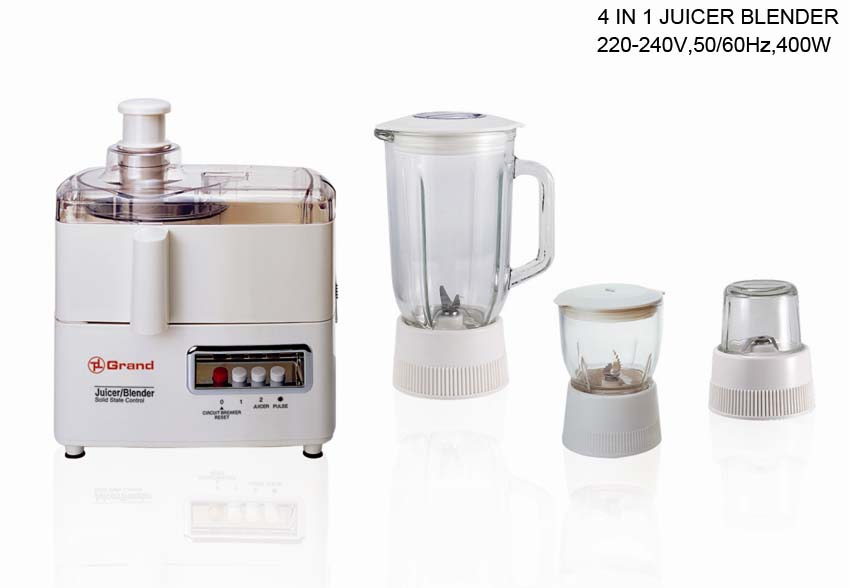
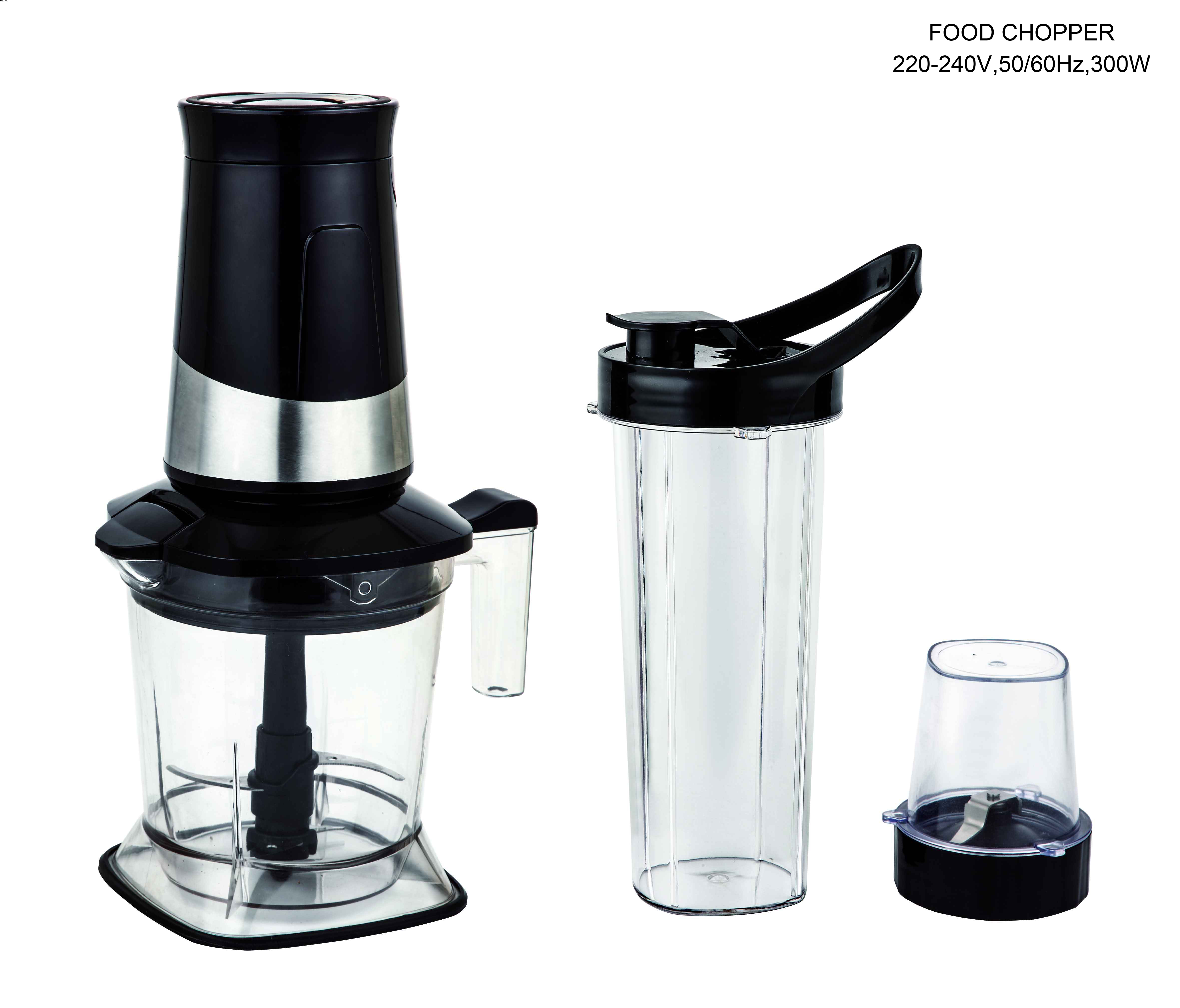
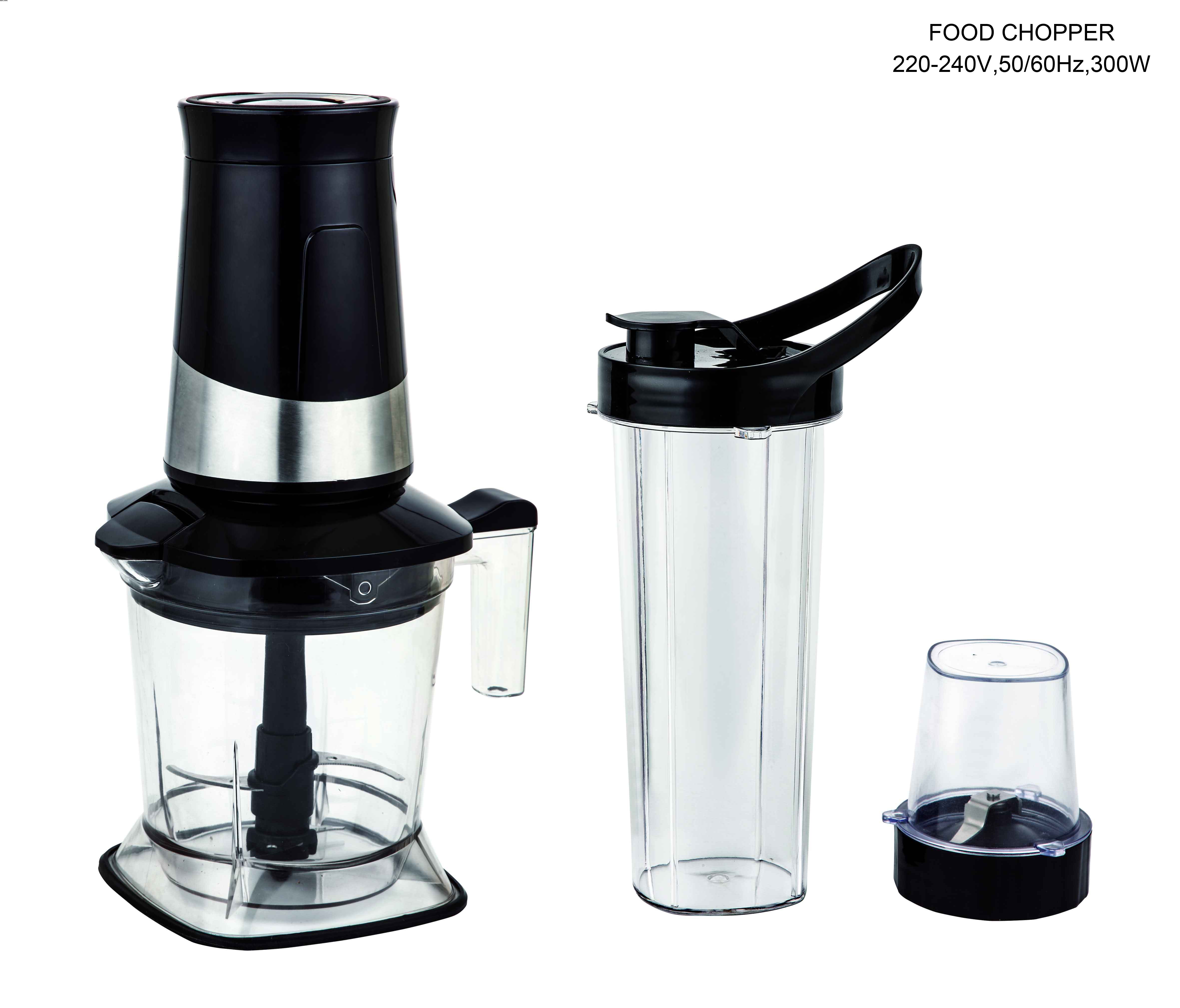
Food Processors
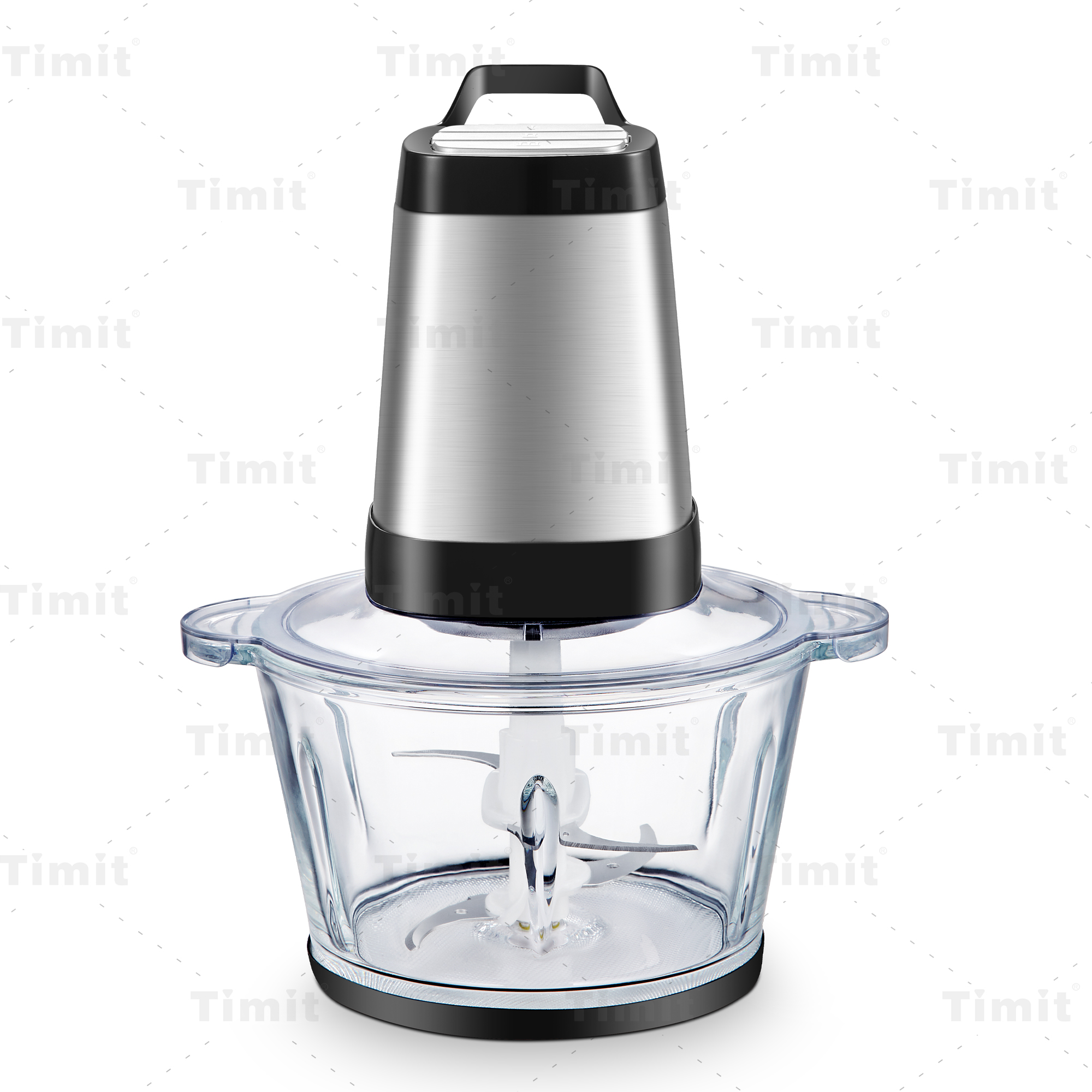
Source bulk food processors from vetted manufacturers and wholesale suppliers. Designed for importers, appliance distributors, and brands seeking reliable OEM and private-label production, our network delivers high-performance kitchen appliances that meet strict global safety and compliance standards.
Sourcing food processors in volume requires balancing motor durability with strict multi-market safety compliance. A unit that performs well on a test bench can easily fail under load if the gear assemblies or motor windings are compromised to cut costs. For bulk buyers, defining exact technical specifications before production is the only way to ensure consistent performance and avoid costly product returns.
Core Specifications for OEM/ODM Sourcing
When customizing a food processor through OEM/ODM Services, the internal components dictate both the price point and the appliance's lifespan. Relying solely on a manufacturer's "rated wattage" is insufficient; you must specify the underlying hardware.
| Component | Standard Specification | Premium/Commercial Grade |
|---|---|---|
| Motor Winding | Copper-clad aluminum (CCA) or mixed | 100 percent Pure Copper |
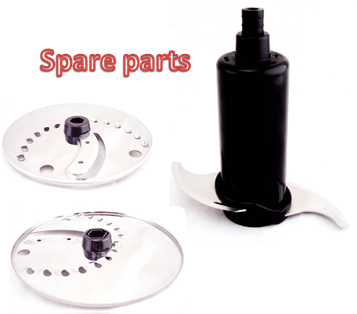
| Blade Material | SUS304 Stainless Steel | SUS420J2 (Higher hardness/edge retention) |
| Drive Gear | POM Plastic | Metal or Nylon reinforced with glass fiber |
| Safety Interlock | Single micro-switch | Dual magnetic or mechanical interlocks |
Motor Types: AC vs. DC
Most household food processors utilize Universal AC motors, which offer high speed and sufficient torque for chopping and pureeing at a cost-effective price. However, AC motors run hotter and louder. For premium or heavy-duty models, DC motors are preferred. They provide higher starting torque for heavy doughs, run significantly quieter, and have a longer operational lifespan, though they increase the overall unit cost and require dedicated internal rectifiers.
Need help defining the right motor and component specs for your target market? Talk to our sourcing team.
Discuss your product specsManufacturing Vulnerabilities and Quality Control
The primary failure points in food processor manufacturing occur in the assembly of the drive train and the alignment of safety mechanisms. Food processors operate under high vibration; if tolerances in the plastic injection molding are even slightly off, the unit will suffer from excessive noise, gear stripping, or interlock failure.
Implementing rigorous Quality Control & Inspection during production is critical.
Critical Inspection Points for Food Processors
- Motor load testing: Operating the unit at maximum rated capacity (e.g., heavy dough) to monitor temperature rise and thermal fuse integrity.
- Micro-switch alignment: Verifying the interlock mechanism engages smoothly and prevents operation when the lid or bowl is improperly seated.
- Hi-pot (dielectric withstand) testing: Ensuring electrical insulation meets safety standards to prevent shock hazards.
- Vibration and noise testing: Measuring decibel output and base stability on standard countertops under max load.
- Water tightness: Checking the bowl drive shaft seal to prevent liquid ingress into the motor housing.
Compliance and Certification Requirements
Kitchen appliances face rigorous regulatory scrutiny. Failing to secure the correct certifications before shipment can result in customs seizures or retailer rejections. Ensuring your supplier's components (like the power cord and plug) are inherently compliant makes final product testing much smoother.
- North America: UL or ETL certification for electrical safety, plus FDA compliance for all food-contact materials (bowls, blades, seals).
- Europe: CE (LVD and EMC directives), RoHS, and LFGB (Germany) or general EU food contact material regulations.
- Global: CB Scheme certification can often be leveraged to obtain local market approvals more efficiently.
Managing these requirements is complex, which is why integrating professional Compliance & Testing into your sourcing timeline is highly recommended.
Sourcing Realities: MOQs, Pricing, and Lead Times
Understanding standard factory requirements helps in planning inventory and negotiating terms. Food processors require substantial tooling, which influences standard order volumes.
Tooling Costs for Custom Designs
If you are developing a completely custom housing or bowl shape, expect injection molding tooling costs to range from $15,000 to $40,000, adding 45 to 60 days to your initial development timeline.
Conducting thorough Factory Audits before placing an order is the best way to verify that a supplier actually owns their tooling and isn't just a trading company assembling off-the-shelf parts from sub-suppliers.
Ready to scale your appliance procurement? Connect with our experts to streamline your supply chain.
Get a sourcing consultationFrequently Asked Questions
Successful food processor sourcing relies on controlling the unseen components—motor windings, gear materials, and safety interlocks. By defining these specifications upfront and enforcing them through strict quality control, buyers can secure reliable products that build brand trust and minimize return rates.
Get Sourcing Help for Food Processors
Tell us your requirements and our experts will connect you with verified manufacturers.