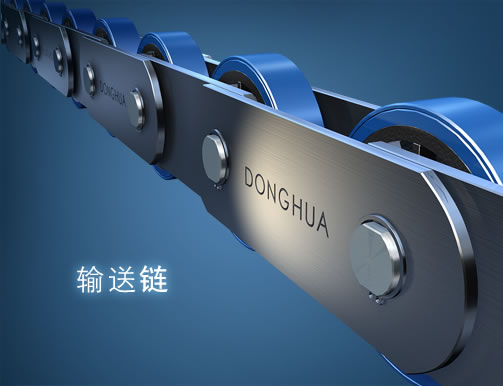
Food Processing Machinery Parts
Source premium Food Processing Machinery Parts from vetted suppliers and manufacturers in China and Asia. Designed for importers, industrial distributors, and procurement managers, our network offers bulk wholesale pricing and custom OEM production. Ensure strict food-grade compliance and precise tolerances for every component.
Sourcing parts for food processing machinery requires balancing strict sanitary standards with mechanical durability. Whether you are procuring replacement blades, custom conveyor components, extruded seals, or precision-machined valves, the core challenge remains consistent: ensuring verifiable food-grade material integrity while maintaining tight dimensional tolerances. A single non-compliant gasket or poorly finished metal surface can lead to bacterial contamination, machinery downtime, and costly product recalls.
Critical Specifications and Material Grades
The foundation of any sanitary component is its material composition. In food processing, materials must withstand aggressive cleaning protocols (CIP/SIP), high temperatures, and corrosive food acids without leaching.
When specifying parts to overseas manufacturers, you must dictate exact material standards rather than accepting generic terms like "stainless steel" or "rubber." Relying on compliance testing is essential to verify that the raw materials match your specifications before mass production begins.
| Material Grade | Primary Application | Key Characteristics |
|---|---|---|
| SUS304 Stainless | General structural parts, hoppers, standard blades | Good corrosion resistance, cost-effective, standard for dry/mildly acidic foods |
| SUS316L Stainless | Liquid processing, high-acid environments, valves | Superior pitting resistance, low carbon content prevents weld decay |
| Food-Grade EPDM | O-rings, gaskets, pump seals | Excellent steam and chemical resistance for CIP processes |
| UHMWPE | Wear strips, augers, conveyor guides | High impact strength, self-lubricating, FDA-compliant polymer |
Surface Finish and Cleanability
Dimensional accuracy is only half the requirement; surface finish is arguably more critical for food safety. Pathogens thrive in microscopic crevices. Specify the required surface roughness (Ra) on all technical drawings. For standard sanitary applications, an Ra under 0.8 micrometers is typically required, while high-purity dairy or beverage applications may demand an Ra under 0.4 micrometers, often achieved through electropolishing.
Need reliable OEM production for custom sanitary components? We verify factory capabilities, material compliance, and surface finish standards.
Talk to our teamManufacturing Processes and Quality Control
Producing food machinery parts involves a mix of CNC machining, precision stamping, laser cutting, and injection molding. The primary risk when sourcing these parts in bulk is material substitution. Unscrupulous sub-suppliers may swap SUS316L for SUS304, or use non-compliant plastic resins to cut costs.
Conducting thorough factory audits ensures your chosen manufacturer has the in-house material verification equipment (like Positive Material Identification scanners) and the CNC capabilities to meet your tolerances.
Key Inspection Points
Catching defects at the factory level is much cheaper than dealing with rejected parts at your assembly facility. A robust quality control and inspection protocol should focus on the following areas:
Pre-Shipment Inspection Focus Areas
- Positive Material Identification (PMI) testing on random samples to confirm alloy composition.
- Profilometer checks to verify surface roughness (Ra) meets sanitary specifications.
- Visual inspection under magnification for burrs, pits, or micro-cracks that could harbor bacteria.
- Dimensional verification using CMM (Coordinate Measuring Machines) for tight-tolerance valve and pump internals.
- Verification of FDA, CE (EC 1935/2004), or NSF compliance documentation for polymer and elastomer batches.
Sourcing Realities: MOQs, Lead Times, and Tooling
Pricing for food processing machinery parts is heavily dependent on the manufacturing method and the cost of raw materials (particularly nickel and molybdenum for stainless steel). If you are utilizing OEM/ODM services for custom components, tooling costs will be your primary upfront investment.
For custom CNC machined parts, MOQs can often be negotiated down to 100-300 pieces, though the unit price will reflect the setup time. Injection-molded food-grade plastics or extruded silicone seals typically require higher MOQs (often 1,000 to 5,000 pieces or a minimum weight threshold) to justify the machine setup and material purging processes.
Struggling with inconsistent tolerances or high custom tooling costs? Let us negotiate and manage your next production run.
Get a free consultationFrequently Asked Questions
Successful procurement of food processing machinery parts requires an uncompromising approach to material science and mechanical precision. By establishing strict quality gates and verifying factory capabilities early, you can secure reliable, high-performance components that keep processing lines running safely. If you need experienced oversight to manage your supply chain and enforce these standards at the factory level, our team is ready to assist.
Get Sourcing Help for Food Processing Machinery Parts
Tell us your requirements and our experts will connect you with verified manufacturers.