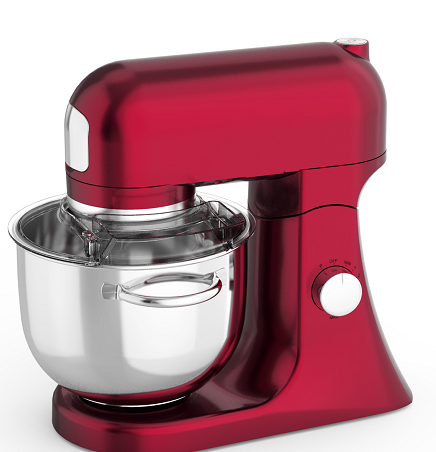
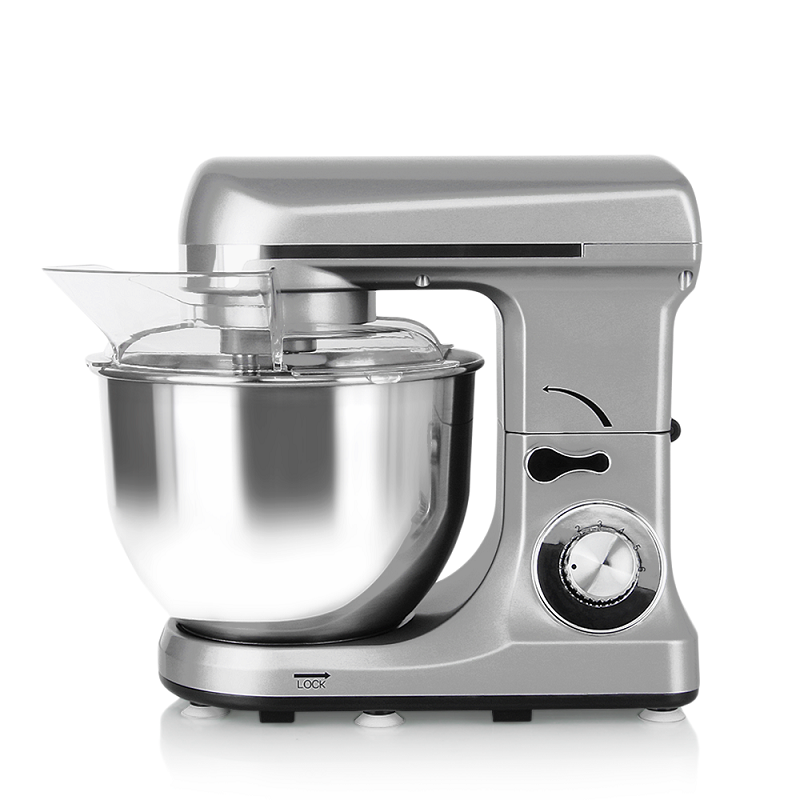
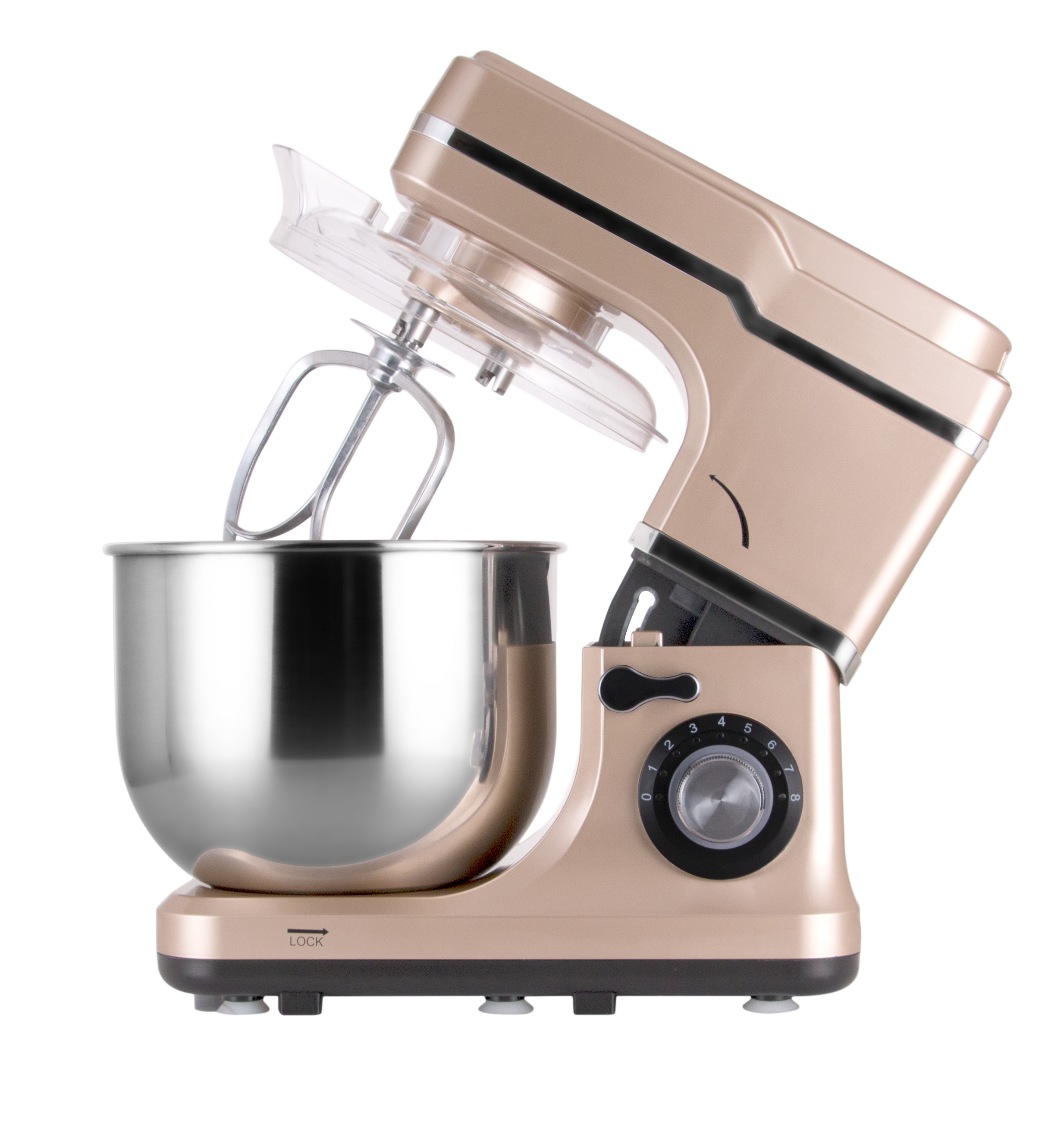
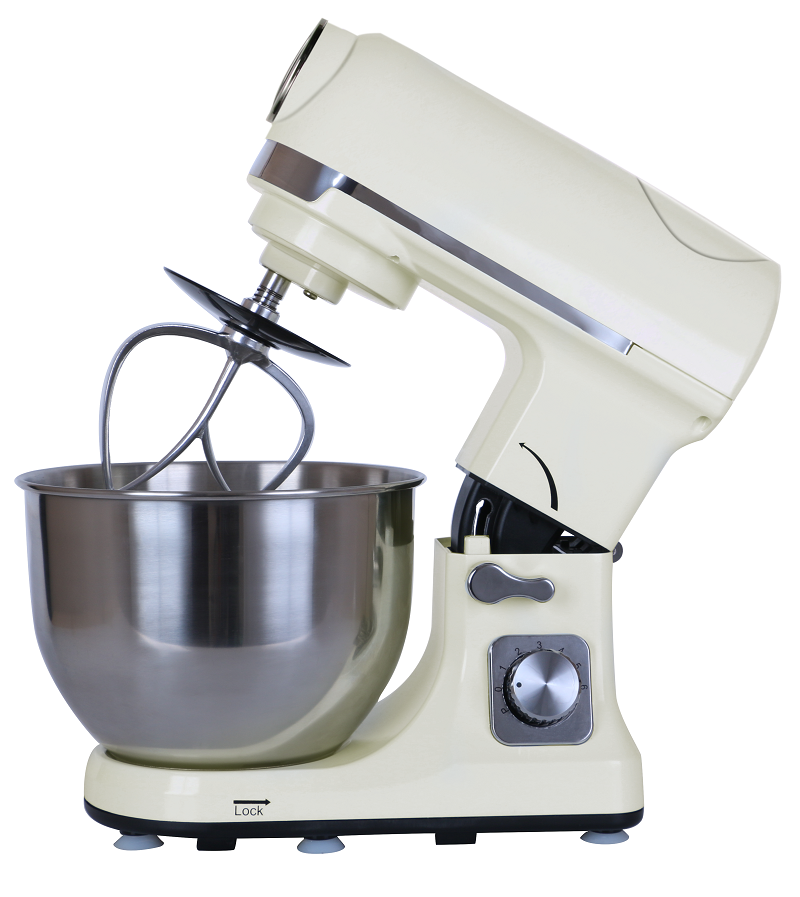
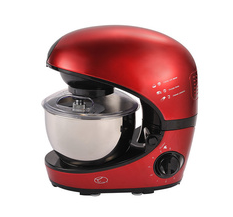
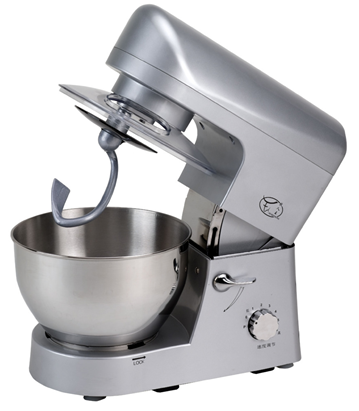
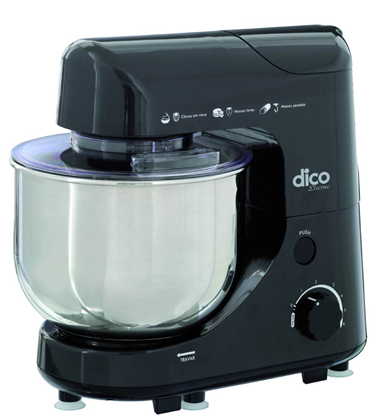
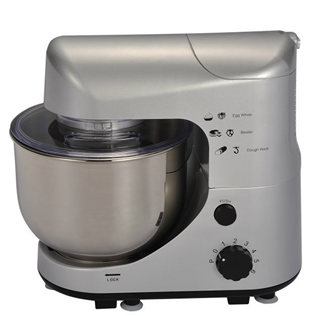
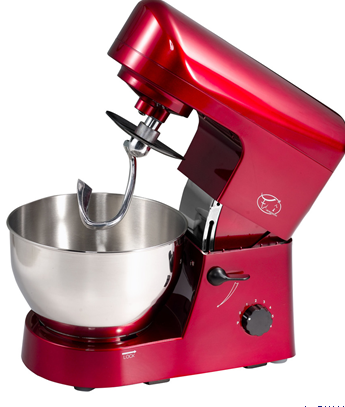
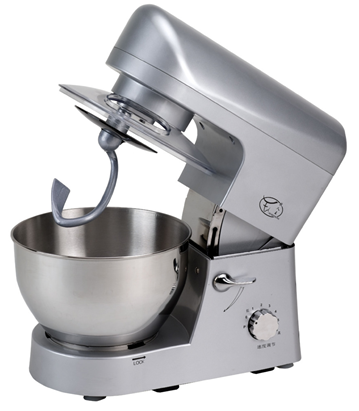
Food Mixers
Source Food Mixers in bulk from vetted manufacturers and wholesale suppliers. Designed for importers, distributors, and brands seeking reliable OEM and private-label production, our network delivers high-performance kitchen appliances built to your exact specifications.
Sourcing food mixers at scale requires a careful balance of motor performance, thermal management, and structural integrity. Whether you are developing a premium die-cast stand mixer or a high-volume ABS hand mixer, the margin for error in the drivetrain and motor calibration is zero. A successful production run hinges on specifying the right internal components and ensuring the factory has the capability to maintain precise tolerances during assembly.
Motor Technology and Drivetrain Specifications
The core of any food mixer is its motor and gear train. Buyers often over-focus on advertised wattage, but torque and gear reduction ratios are the true indicators of mixing capability, especially for heavy doughs.
When negotiating specifications with a manufacturer, the choice between AC and DC motors drastically impacts both the bill of materials (BOM) cost and the product's performance profile. DC motors provide higher torque at lower speeds and generate less heat, making them standard for premium models, while AC motors remain cost-effective for mid-tier consumer units.
| Motor Type | Performance Profile | Thermal Management | Typical Application |
|---|---|---|---|
| Standard AC Motor | High RPM, relies on high wattage | Requires active cooling fans | Entry-to-mid consumer stand mixers |
| Brushless DC (BLDC) | High torque at low RPM, precise control | Highly efficient, runs cooler | Premium and commercial-grade mixers |
Beyond the motor, the gear train dictates longevity. Entry-level models often utilize POM (polyoxymethylene) plastic gears, which are cost-effective and run quietly, but are prone to stripping under heavy loads. Premium models require powder-metallurgy or CNC-machined steel gears.
Struggling to balance motor specifications with your target unit cost? Let our sourcing engineers help you optimize your BOM.
Talk to our teamManufacturing Tolerances and Quality Control
Food mixers endure significant vibrational and torsional stress. If the housing, tilt-head locking mechanism, or planetary axis is misaligned by even a fraction of a millimeter, the mixer will suffer from excessive noise, "walking" across the counter, or premature gear failure.
To mitigate these risks, implement strict Quality Control & Inspection protocols that go beyond standard cosmetic checks.
Critical Factory QC Checkpoints for Mixers
- Dynamic Load Testing: Running the mixer with simulated heavy dough at max capacity to verify thermal cutoff limits.
- Planetary Clearance: Measuring the gap between the beater attachment and the bowl (must be tight enough to mix, but avoid scraping).
- Acoustic Testing: Ensuring operational noise remains under 80 decibels at maximum speed.
- Locking Mechanism Stress: Verifying the tilt-head or bowl-lift lock engages fully without play under heavy vibration.
For brands developing custom models, utilizing OEM/ODM Services allows for complete control over housing materials (e.g., upgrading from injection-molded ABS to die-cast aluminum) and custom attachment tooling. However, any new food-contact components (bowls, dough hooks, whisks) must undergo rigorous Compliance & Testing to meet FDA or LFGB food-safe standards.
Pricing, MOQs, and Lead Times
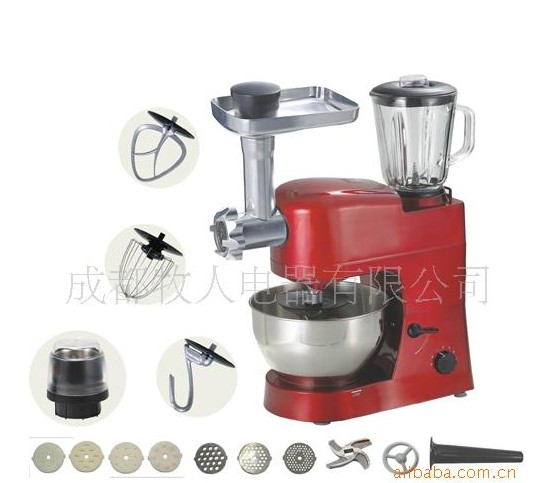
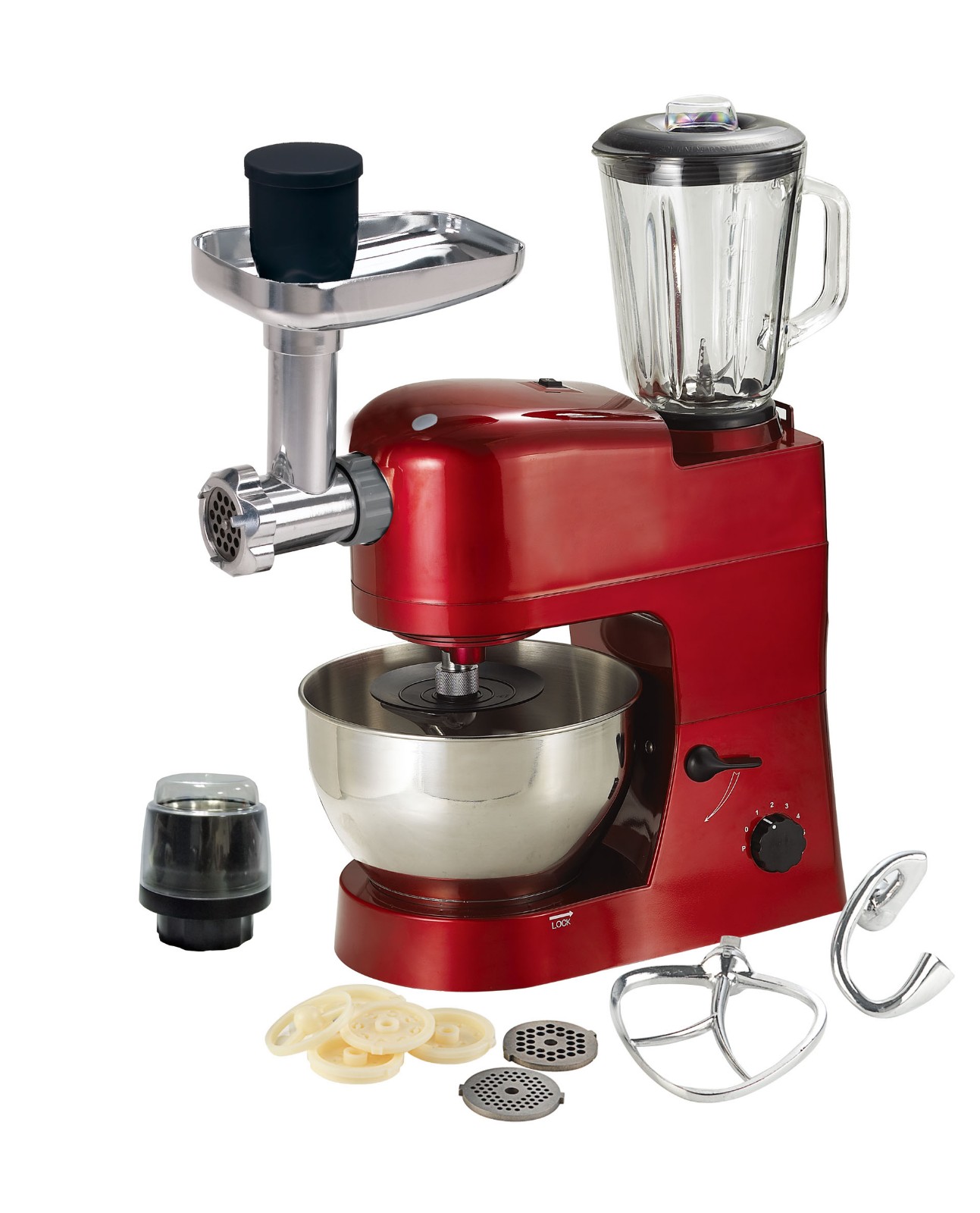
The manufacturing landscape for food mixers is concentrated in regions like Guangdong and Zhejiang. Pricing is highly dependent on motor type, housing material, and included attachments (e.g., meat grinders or blender jugs that run off a secondary power hub).
Tooling Costs for Customization
If you are altering the exterior housing or creating proprietary attachments, expect tooling costs to range from $15,000 to $40,000 depending on the complexity of the molds. Always negotiate tooling ownership upfront.
Need to lock in reliable production capacity and negotiate favorable MOQs? We can manage your factory relationships.
Get a free consultationFrequently Asked Questions
Successfully importing food mixers requires more than finding a supplier with an attractive catalog; it requires deep visibility into their supply chain for motors, die-casting, and assembly tolerances. By strictly defining your internal specifications and enforcing rigorous pre-shipment load testing, you protect your brand from costly return rates and warranty claims.
Get Sourcing Help for Food Mixers
Tell us your requirements and our experts will connect you with verified manufacturers.