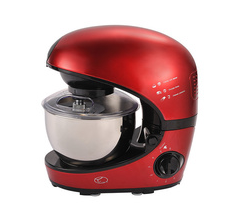
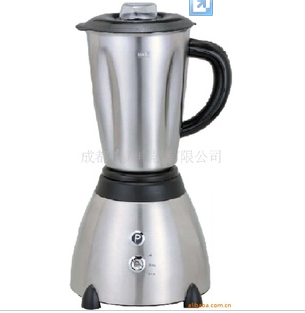
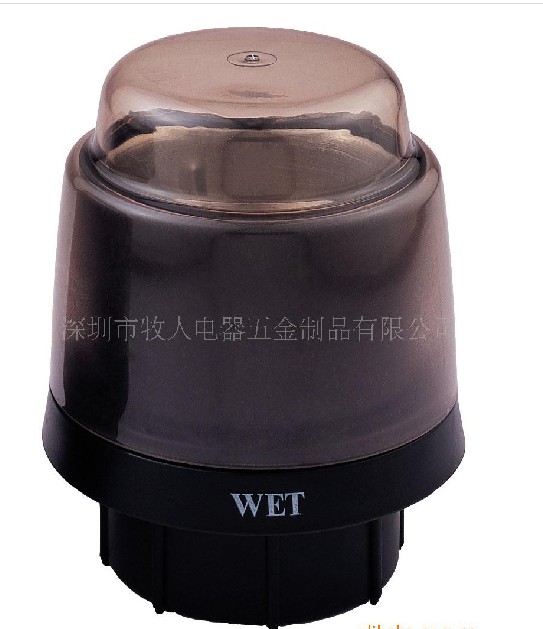
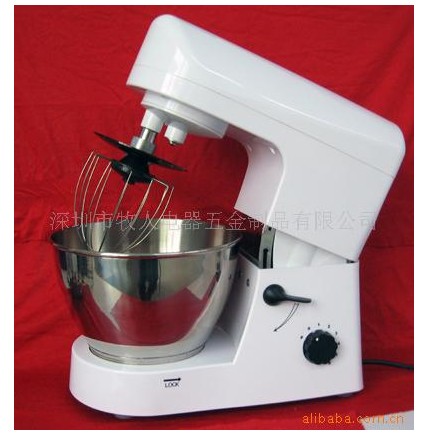
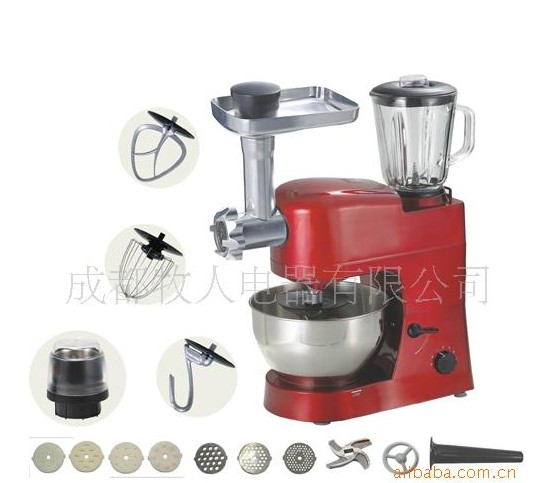
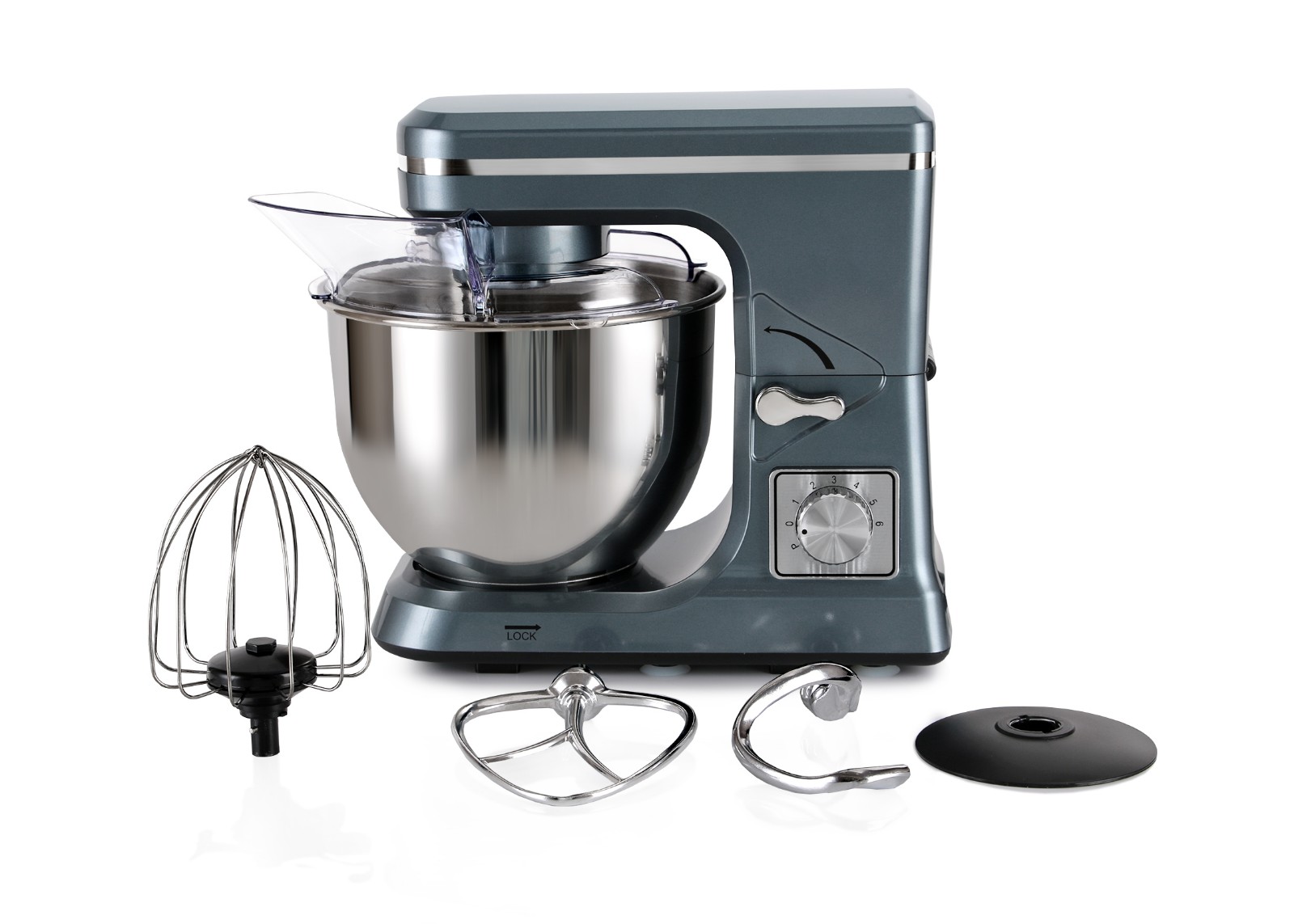
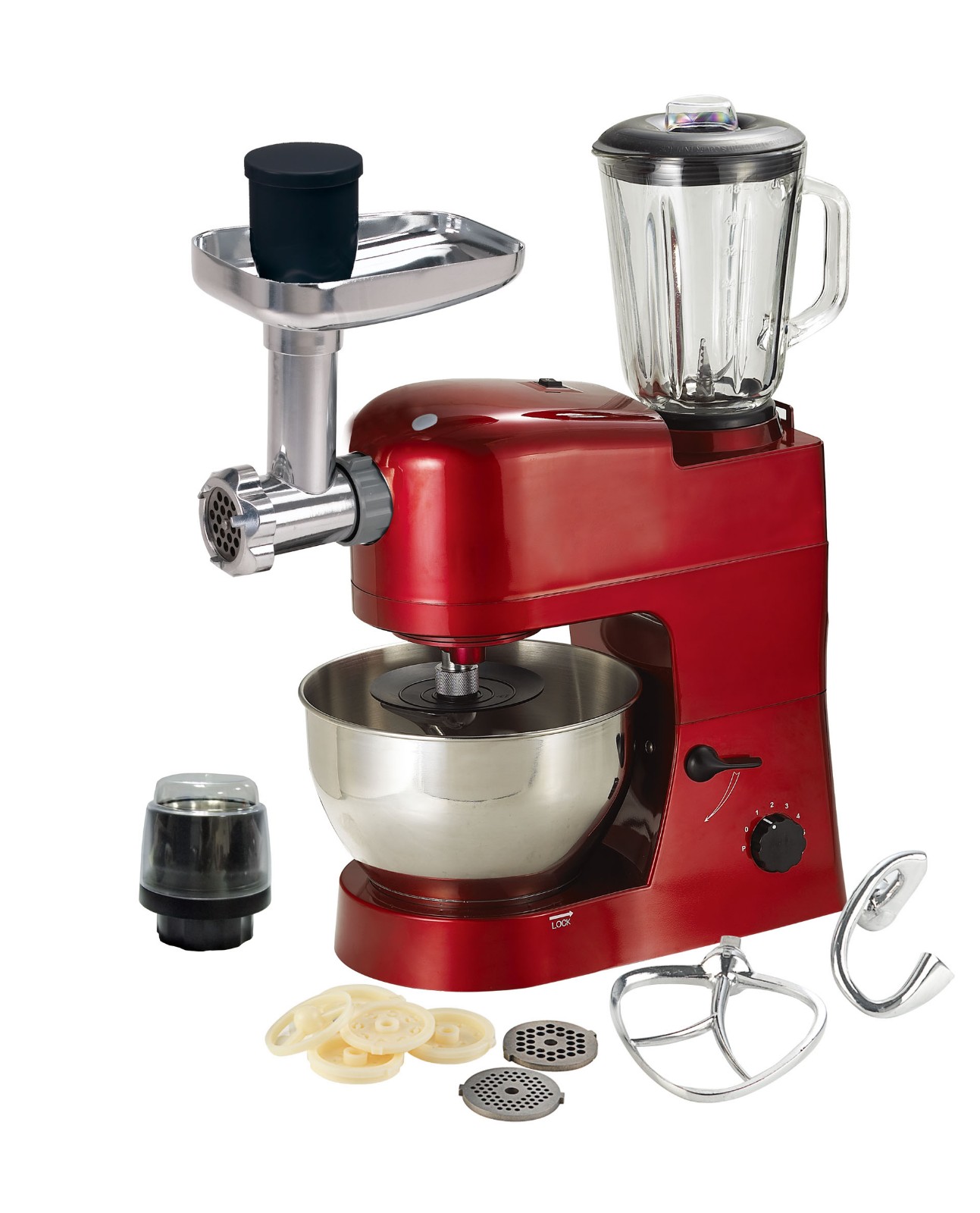
Food Grinders and Mixers, Blender
Source commercial and household food grinders, mixers, and blenders from vetted manufacturers and suppliers in Asia. This catalog is built for importers, wholesale distributors, and appliance brands looking for reliable bulk purchasing, private-label production, or custom OEM manufacturing at scale.
Sourcing motor-driven kitchen appliances at scale requires navigating a complex matrix of motor performance, material safety, and international electrical compliance. The difference between a high-return-rate liability and a reliable, high-margin product often comes down to the quality of the internal components hidden beneath the exterior housing.
When buying food grinders, blenders, and mixers in bulk, evaluating the factory's engineering capabilities and supply chain transparency is just as critical as assessing the final product design.
Defining Motor Specifications and Performance
The motor is the costliest component in any blender or grinder and the primary point of failure. Factories often offer the same external housing with vastly different internal motor configurations to hit specific price points.
- Motor Type: Universal AC motors are standard for most high-speed blenders and grinders. For premium or low-noise models, brushless DC (BLDC) motors offer better torque control and longevity, though at a higher cost.
- Winding Material: Always specify pure copper motor windings. Lower-tier suppliers often substitute copper-clad aluminum (CCA) to reduce costs. CCA motors run hotter, have a shorter lifespan, and are significantly more prone to burnout under heavy loads.
- Wattage vs. Torque: Wattage is frequently inflated in consumer marketing. For professional sourcing, evaluate the motor's actual torque and its continuous run-time rating before thermal shutdown occurs.
Need help verifying motor specifications and auditing factory capabilities before placing a bulk order?
Talk to our teamCritical Components and Factory-Level Quality Control
Beyond the motor, the durability of a blender or mixer relies heavily on the quality of its mechanical linkages and food-contact materials. Implementing rigorous Quality Control & Inspection during production is essential to catch component substitutions.
Blades and Bearings
High-speed blender blades must be stamped from hardened stainless steel (typically SUS304 or SUS420) to maintain their edge and resist corrosion. The blade assembly should utilize dual ball bearings rather than cheap sleeve bearings to prevent liquid leakage into the motor base over time.
Pitchers and Housings
For blender pitchers, polycarbonate (PC) is common but often contains BPA. For BPA-free requirements, Tritan copolyester is the industry standard for high-end models, offering excellent impact resistance and clarity. Grinder housings must utilize high-grade ABS or die-cast aluminum to withstand operational vibration.
Key Inspection Points for Mixers and Blenders
- Hipot (Dielectric Withstand) testing on 100 percent of units
- Vibration and noise level testing under load
- Blade assembly water-tightness and bearing seal integrity
- Verification of pure copper windings via teardown
- Drop testing for PC/Tritan pitchers and ABS housings
Regulatory Compliance and Food Contact Standards
Kitchen appliances face strict regulatory hurdles combining electrical safety and food-contact material standards. If you are importing into the US or EU, ensuring the factory holds valid, verifiable certifications is non-negotiable.
- Electrical Safety: Look for UL or ETL marks for North America, and CE (LVD/EMC) for Europe.
- Food Contact: Materials touching food must pass FDA regulations (US) or LFGB testing (Europe).
Factories often show outdated or irrelevant certificates. Utilizing professional Compliance & Testing services ensures your specific production run meets the regulatory requirements of your target market.
Pricing Drivers, MOQs, and Lead Times
Cost is directly tied to motor quality, housing materials, and the level of customization.
If you are pursuing OEM/ODM Services to develop a custom housing or proprietary blade design, expect higher initial MOQs to amortize the injection molding tooling costs. Standard white-label products (existing factory molds with your branding) offer the lowest barrier to entry.
Looking to develop a custom appliance or negotiate better terms on bulk orders?
Get a free consultationFrequently Asked Questions
Sourcing reliable food grinders, mixers, and blenders requires strict oversight of internal components and rigorous electrical safety testing. By partnering with experienced sourcing professionals, you can ensure your appliances deliver the performance and longevity your market demands, without the risk of costly post-sale defects.
Get Sourcing Help for Food Grinders and Mixers, Blender
Tell us your requirements and our experts will connect you with verified manufacturers.