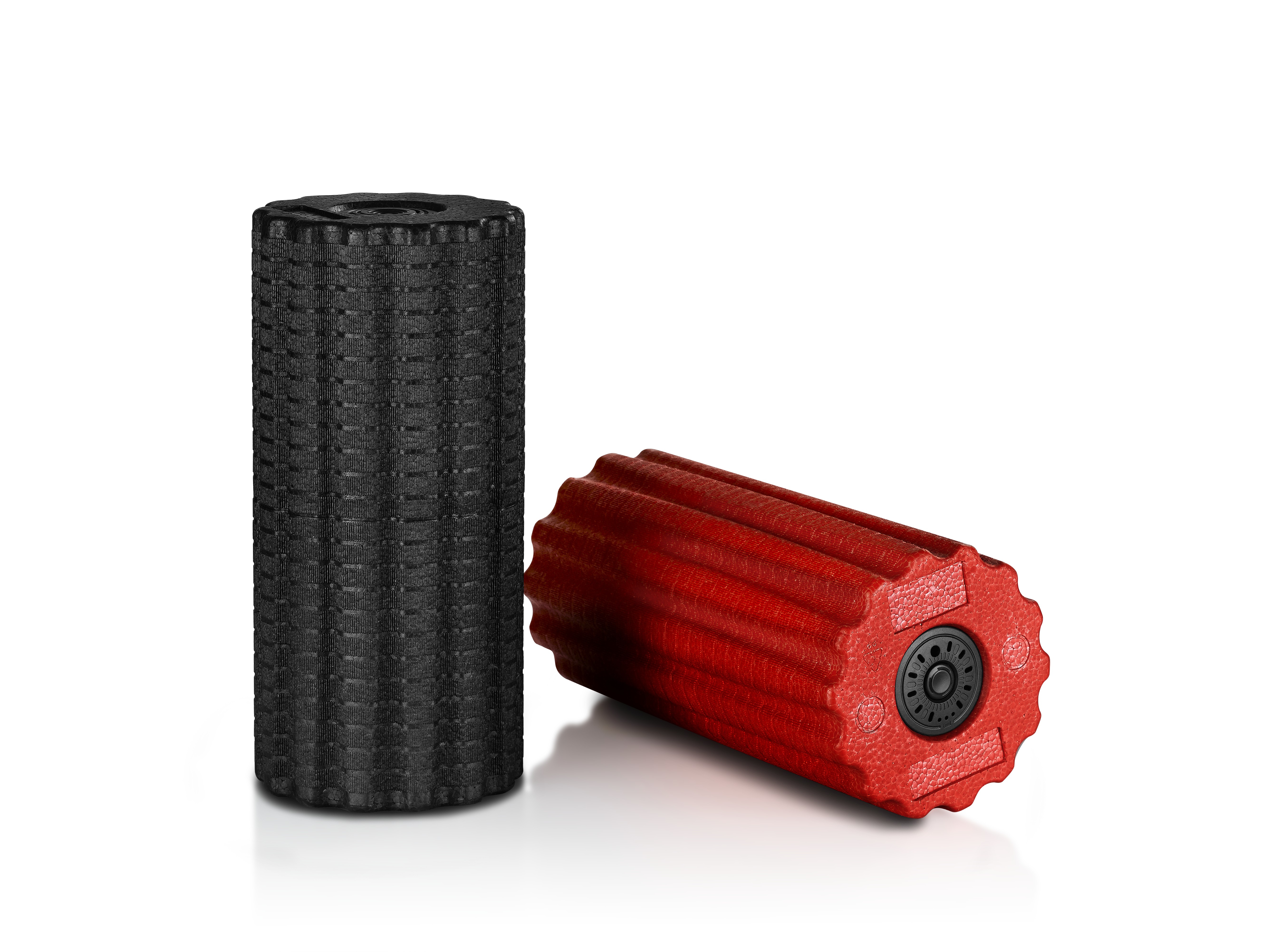
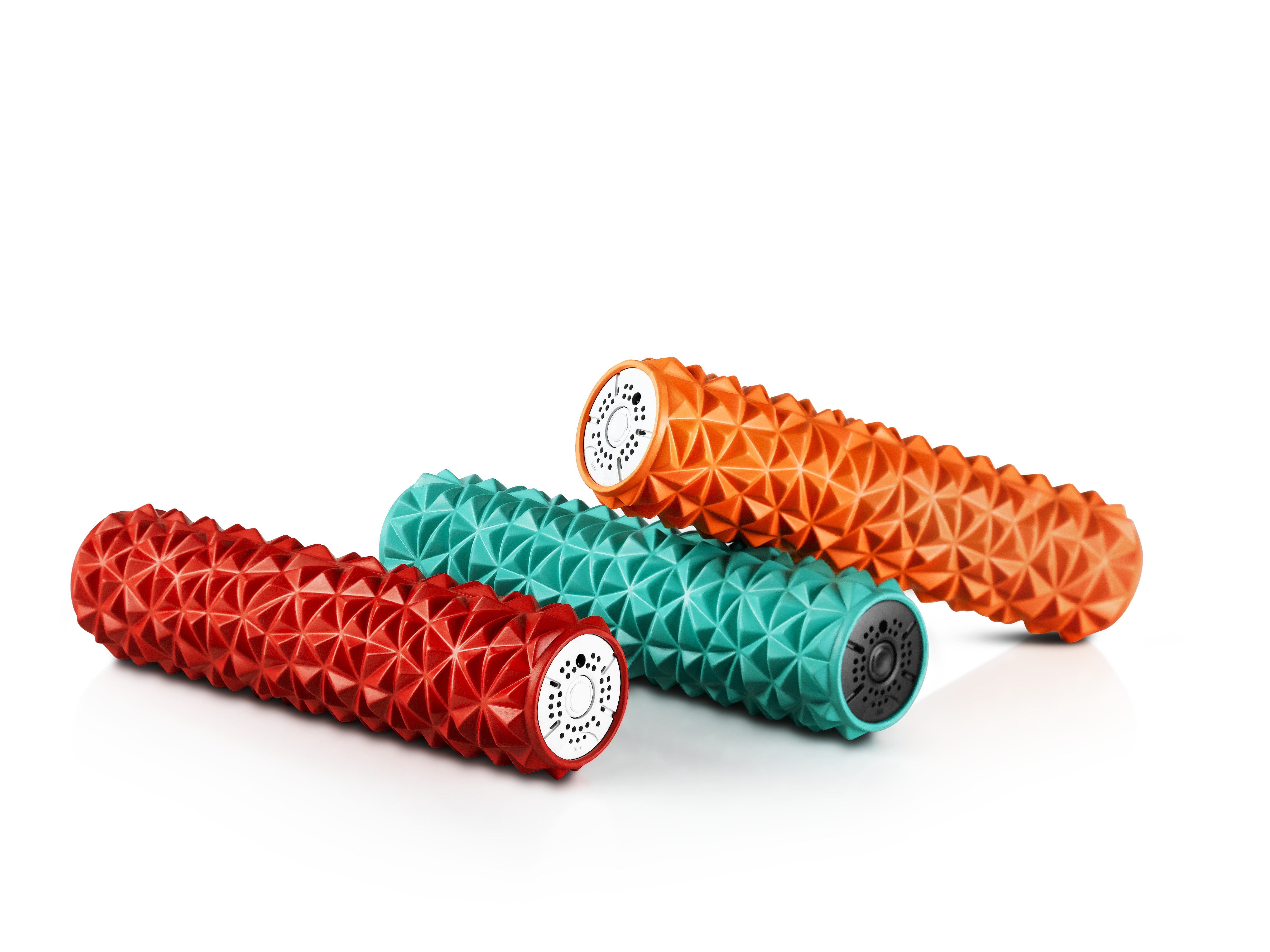
Foam Rollers
Source premium foam rollers from vetted manufacturers and suppliers in China and across Asia. Designed for fitness brands, wholesalers, and importers seeking bulk purchasing and custom OEM production, our network delivers reliable quality, scalable capacity, and competitive pricing for your supply chain.
Sourcing foam rollers at scale requires balancing material density, compression recovery, and molding precision. A slight variance in expansion ratios during production can yield a batch of rollers that are either too soft for deep tissue therapy or too brittle to withstand commercial gym use. Securing a reliable supply chain means looking past the surface texture and strictly controlling the chemical composition, curing times, and core integrity at the factory level.
Material Selection and Density Specifications
The foundational decision in foam roller manufacturing is the raw material. The material dictates not only the unit cost but the product's lifespan, weight capacity, and target market.
| Material | Density / Hardness | Durability & Recovery | Typical B2B Application |
|---|---|---|---|
| EPP (Expanded Polypropylene) | 30-50g/L | Extremely High (shape retention) | Commercial gyms, high-frequency use |
| EVA (Ethylene-Vinyl Acetate) | 30-40 Shore C | High (comfortable firmness) | Yoga, Pilates, physical therapy |
| PE (Polyethylene) | 1.5-2.0 PCF | Low to Medium (deforms over time) | Entry-level retail, light home use |
| PU (Polyurethane) | Customizable | Premium (often over ABS core) | High-end retail, specialty recovery |
When specifying EVA, buyers must stipulate the Shore C hardness. Standard high-density rollers typically sit between 35 and 40 Shore C. Anything lower will compress too quickly under an adult's body weight, while anything higher risks feeling like solid plastic, defeating the purpose of myofascial release.
Manufacturing Processes and Quality Control
Foam rollers are typically produced via compression molding or injection molding. EPP beads are expanded into a mold using steam and pressure, while EVA is often extruded or compression-molded. The critical failure points in these processes include uneven heat distribution, which causes inconsistent density within a single roller, and improper cooling, which leads to shrinkage and warped dimensions.
Partnering with factories that maintain strict temperature controls is essential. Before committing to a large run, executing Factory Audits ensures the supplier has the necessary automated mixing and curing equipment to maintain batch-to-batch consistency.
Struggling with inconsistent foam density from your current supplier? Let's discuss standardizing your production.
Talk to our teamCritical Quality Control Checks
To avoid costly returns, your Quality Control & Inspection protocols should mandate the following checks during pre-shipment inspection:
Pre-Shipment Inspection Focus Areas
- Shore Hardness Testing: Verify density at multiple points (ends vs. center) to ensure uniform molding.
- Core Adhesion (Hollow Rollers): Test the bonding strength between the outer foam and the inner PVC/ABS tube to prevent delamination.
- Dimensional Tolerance: Ensure length and diameter are within +/- 2mm of the specification to fit standard retail packaging.
- Surface Finish: Inspect for flash (excess material at the mold seam), air bubbles, or flaking on textured zones.
- Load Testing: Apply static weight (often up to 200kg for commercial grades) to measure recovery time and check for permanent deformation.
OEM/ODM Customization: Cores and Textures
For brands looking to differentiate, custom surface topologies (grids, bumps, ridges) and dual-density designs are standard requirements.
When developing hollow-core rollers, the inner tube material is a major cost and safety driver. PVC cores are standard and cost-effective, but they can crack under heavy, dynamic loads. ABS (Acrylonitrile Butadiene Styrene) cores are highly recommended for premium lines, as they offer superior impact resistance and load-bearing capacity. If you are developing a proprietary grid pattern or a specialized dual-density roller, utilizing expert OEM/ODM Services ensures your CAD designs are properly translated into mold tooling without compromising the structural integrity of the foam.
Buying Mechanics: MOQ, Lead Times, and Tooling
Understanding the realistic parameters of bulk foam roller production helps in planning inventory and cash flow. Tooling costs for custom textures or unique dimensions depend heavily on the material and mold complexity.
Ready to scale your fitness equipment line? We manage the sourcing, negotiation, and quality control from end to end.
Get a free consultationFrequently Asked Questions
Successfully sourcing foam rollers in volume requires strict oversight of material chemistry and factory floor processes. By locking in precise density specifications and enforcing rigorous load-testing protocols, you can build a resilient product line that satisfies both commercial gyms and retail consumers.
Get Sourcing Help for Foam Rollers
Tell us your requirements and our experts will connect you with verified manufacturers.