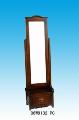
Floor Mirrors
Source premium Floor Mirrors from vetted suppliers and manufacturers across Asia. Designed for importers, wholesalers, and home decor brands seeking reliable wholesale or OEM/private-label production, our factory network delivers high-quality craftsmanship, durable framing, and secure packaging at scale.
Sourcing full-length floor mirrors at scale requires balancing optical fidelity with robust structural engineering. The primary challenge for volume buyers isn't just securing a competitive unit cost; it is ensuring the product survives international transit without shattering, while maintaining an oxidation-free reflective surface over years of use.
Glass Specifications and Mirroring Technology
For a distortion-free reflection in a large-format floor mirror, glass thickness and coating quality are non-negotiable. Standard cosmetic mirrors can rely on thinner glass, but a 60-inch or taller floor mirror demands rigidity. If the glass is too thin or the backing board is uneven, the mirror will exhibit a "funhouse" warping effect.
| Specification | Standard Wholesale | Premium / Brand Retail |
|---|---|---|
| Glass Thickness | 3mm to 4mm | 4mm to 5mm |
| Coating Type | Aluminum or standard silver | Copper-free silver (anti-oxidation) |
| Safety Backing | Basic adhesive tape | High-tensile explosion-proof membrane |
| Edge Treatment | Machine ground | Polished or beveled edge |
The Importance of Copper-Free Silver
Traditional silver mirrors utilize a layer of copper to protect the silver nitrate coating, which is prone to oxidation when exposed to moisture, resulting in unsightly black edges over time. Premium manufacturers have shifted to copper-free silvering processes, which utilize protective paints and are significantly more resistant to corrosion. When developing a product line through OEM/ODM Services, specifying copper-free glass is a critical step in reducing long-term warranty claims.
Safety Compliance
Floor mirrors must include an explosion-proof membrane (shatterproof film) applied to the back of the glass. In the event of breakage, this film holds the glass shards in place, preventing serious injury and liability issues.
Frame Construction and Assembly
The frame material dictates the mirror's aesthetic, weight, and target retail price.
- Aluminum Alloy: Extruded aluminum frames are lightweight, rigid, and highly popular for modern, minimalist designs. Quality is determined by the extrusion thickness (typically 1.2mm to 2.0mm) and the finish (anodized, powder-coated, or brushed).
- Solid Wood & MDF: Wood frames offer a premium feel but require strict moisture content control (under 12 percent) at the factory to prevent warping. MDF backings must meet formaldehyde emission standards (such as CARB Phase 2 or EPA TSCA Title VI) for import into North America.
- Polystyrene (PS): A synthetic material used for budget-friendly mirrors. PS frames are lightweight and can be molded to mimic ornate wood carving, but they lack the structural integrity of metal or solid wood.
Struggling to find reliable mirror manufacturers with verified quality systems? Let us help you identify the right factory partners.
Talk to our teamPackaging: The Make-or-Break Factor
Mirrors have one of the highest damage rates in international shipping. Securing a reliable supplier means verifying their packaging design and drop-test capabilities. When conducting Factory Audits, a manufacturer's packaging protocols should be scrutinized just as closely as their production line.
If you are a brand or distributor shipping directly to end consumers, standard bulk packaging is insufficient. You must specify "mail-order packaging" designed to pass ISTA 3A or ISTA 6A drop tests.
Mail-Order Packaging Requirements
- 5-ply or 7-ply double-wall corrugated outer carton.
- High-density EPS foam or EPE pearl cotton edge protectors (minimum 20mm thickness).
- Honeycomb cardboard sheets reinforcing the mirror face.
- MDF backboard secured with industrial staples or framing points.
- Drop testing performed from standard heights (typically 30 to 36 inches) on all corners, edges, and faces.
Typical MOQs, Lead Times, and Cost Drivers
Volume sourcing for floor mirrors generally revolves around standard production runs, though custom frame extrusions will push minimums higher.
The primary cost drivers in this category are the glass thickness, the use of copper-free silver, and the packaging grade. Upgrading from standard bulk packaging to ISTA-certified mail-order packaging can add significant cost per unit, but it is entirely offset by the reduction in breakage and returns.
Need to optimize your landed costs and secure reliable freight capacity for fragile goods?
Get a free consultationFrequently Asked Questions
Sourcing floor mirrors profitably comes down to defect prevention and damage control. By specifying the correct glass thickness, enforcing strict packaging standards, and consolidating shipments intelligently, you can protect your margins and deliver a flawless product to your buyers.
Get Sourcing Help for Floor Mirrors
Tell us your requirements and our experts will connect you with verified manufacturers.