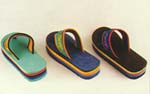
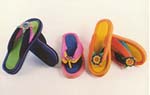
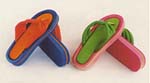
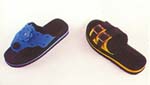
Flip-Flop Slippers
Source premium and everyday flip-flop slippers from vetted manufacturers and wholesale suppliers across Asia. Designed for importers, footwear distributors, and brands seeking reliable OEM and private-label production, our network delivers consistent quality at scale.
Sourcing flip-flop slippers in high volumes requires balancing aggressive unit costs with material durability and ergonomic comfort. Whether you are developing a custom molded sole or procuring standard beachwear styles, the primary challenge lies in controlling material density, tooling precision, and strap pull-out strength across massive production runs.
Core Materials and Specifications
The foundation of any flip-flop is the sole material. The choice dictates not only the price point but also the tooling required and the product's lifespan. When negotiating with factories, you must specify the exact material grade and hardness, typically measured on the Shore C scale for footwear foams.
| Material | Characteristics | Typical Hardness (Shore C) | Best For |
|---|---|---|---|
| Die-Cut PE (Polyethylene) | Highly cost-effective, rigid, layered colors | 55 to 65 | Promotional, budget retail |
| Injected EVA | Lightweight, flexible, requires 3D molds | 45 to 55 | Mid-market retail, comfort styles |
| Natural/Synthetic Rubber | Heavy, excellent grip, high durability | 60 to 70 | Premium brands, heavy-duty use |
Beyond the sole, strap (or "thong") materials must be specified clearly. PVC straps are standard for budget tiers, offering easy injection molding and vibrant colors. Premium lines often utilize TPU (Thermoplastic Polyurethane) for better skin-feel and flexibility, or fabric-lined webbing for maximum comfort.
Need help navigating material specifications and factory selection? We connect you with verified footwear manufacturers capable of meeting exact technical requirements.
Talk to our teamManufacturing Processes and Quality Control
Flip-flop production generally falls into two methods: die-cutting from extruded foam sheets or direct injection molding. Injection molding requires significant upfront investment in copper or aluminum molds but yields a superior, contoured footbed. Die-cutting is faster and requires minimal tooling, making it ideal for flat, multi-layered designs.
Regardless of the production method, the most critical failure point in a flip-flop is the strap plug pulling through the sole. Robust quality control and inspection protocols must be established before mass production begins.
Critical QC Checkpoints for Flip-Flops
- Strap Pull-Out Strength: Minimum requirement of 15 kgf (kilogram-force) before the plug dislodges.
- Hardness Variance: Soles must not deviate by more than 3 degrees on the Shore C scale from the approved sample.
- Abrasion Resistance: Testing the sole against standard friction cycles (e.g., SATRA TM161) to ensure longevity.
- Slip Resistance: Particularly important for rubber and EVA blends intended for wet environments.
- Toxicity and Compliance: Verifying materials are free from restricted phthalates and heavy metals (REACH compliance).
MOQs, Tooling, and Lead Times
Footwear manufacturing is volume-driven. Standardized designs utilizing open-market molds can be sourced with relatively low minimums, but custom branding and proprietary shapes change the economics significantly. If you are utilizing OEM/ODM services to develop a unique sole contour or custom strap logo, expect to pay tooling fees per size. A standard size run (e.g., Men's 7 through 12) requires six distinct molds.
When assessing a new supplier's capacity to handle your volume, conducting thorough factory audits is essential. You need to verify their injection machine count, cooling line length, and assembly floor capacity to ensure they can meet your seasonal delivery windows without subcontracting to unvetted facilities.
Avoid tooling delays and quality fade. Let our on-the-ground team manage your footwear sourcing, from mold development to final container loading.
Get a free consultationFrequently Asked Questions
Executing a profitable footwear program requires tight control over raw materials, precision tooling, and rigorous pre-shipment testing. By standardizing your specifications and partnering with capable manufacturers, you can eliminate common defects and maintain consistent margins across your product lines.
Get Sourcing Help for Flip-Flop Slippers
Tell us your requirements and our experts will connect you with verified manufacturers.