Fixed Wireless Terminals
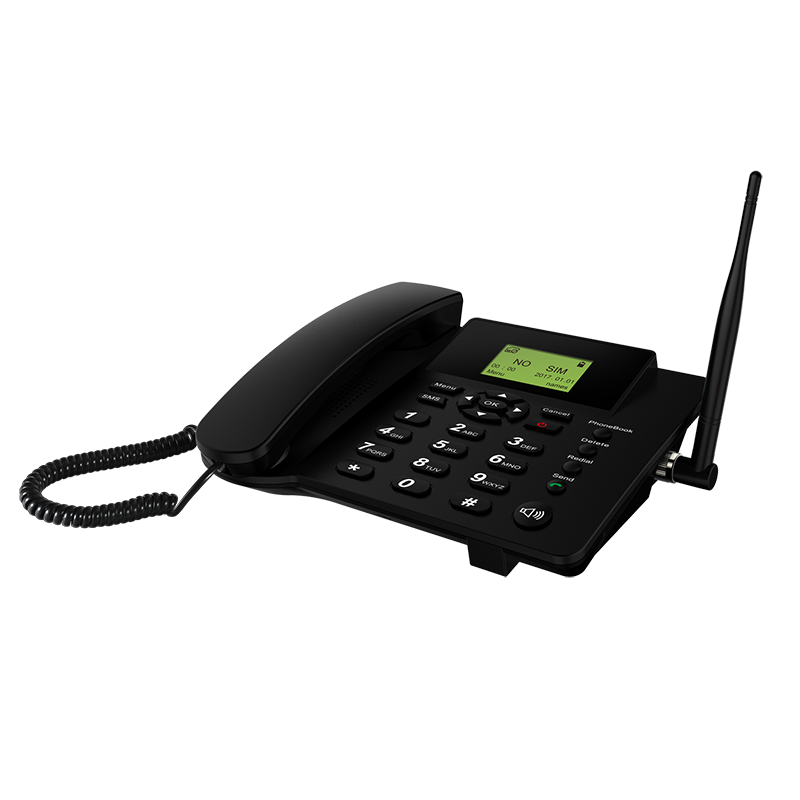
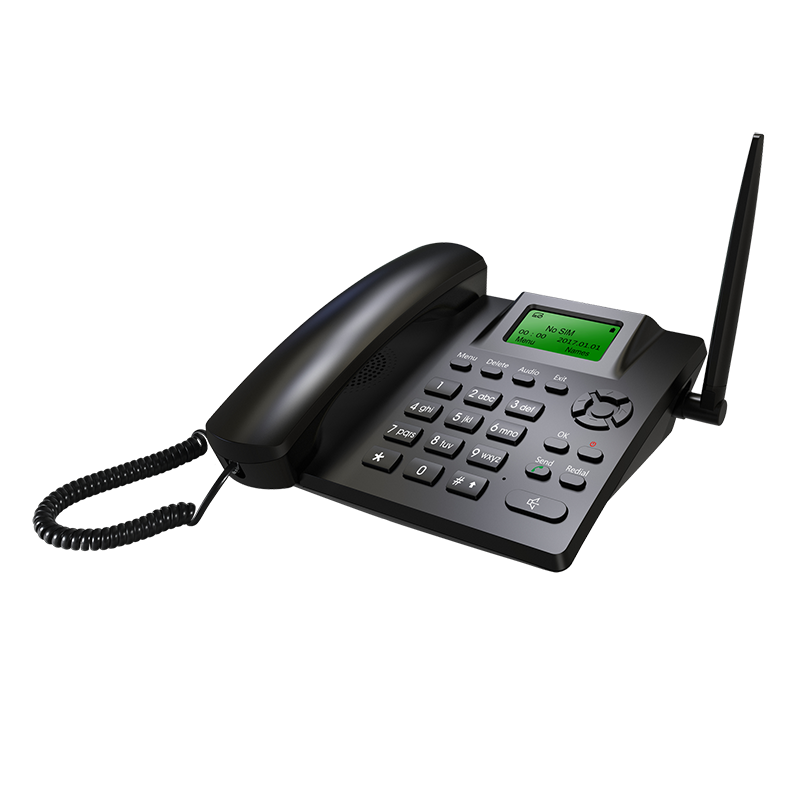
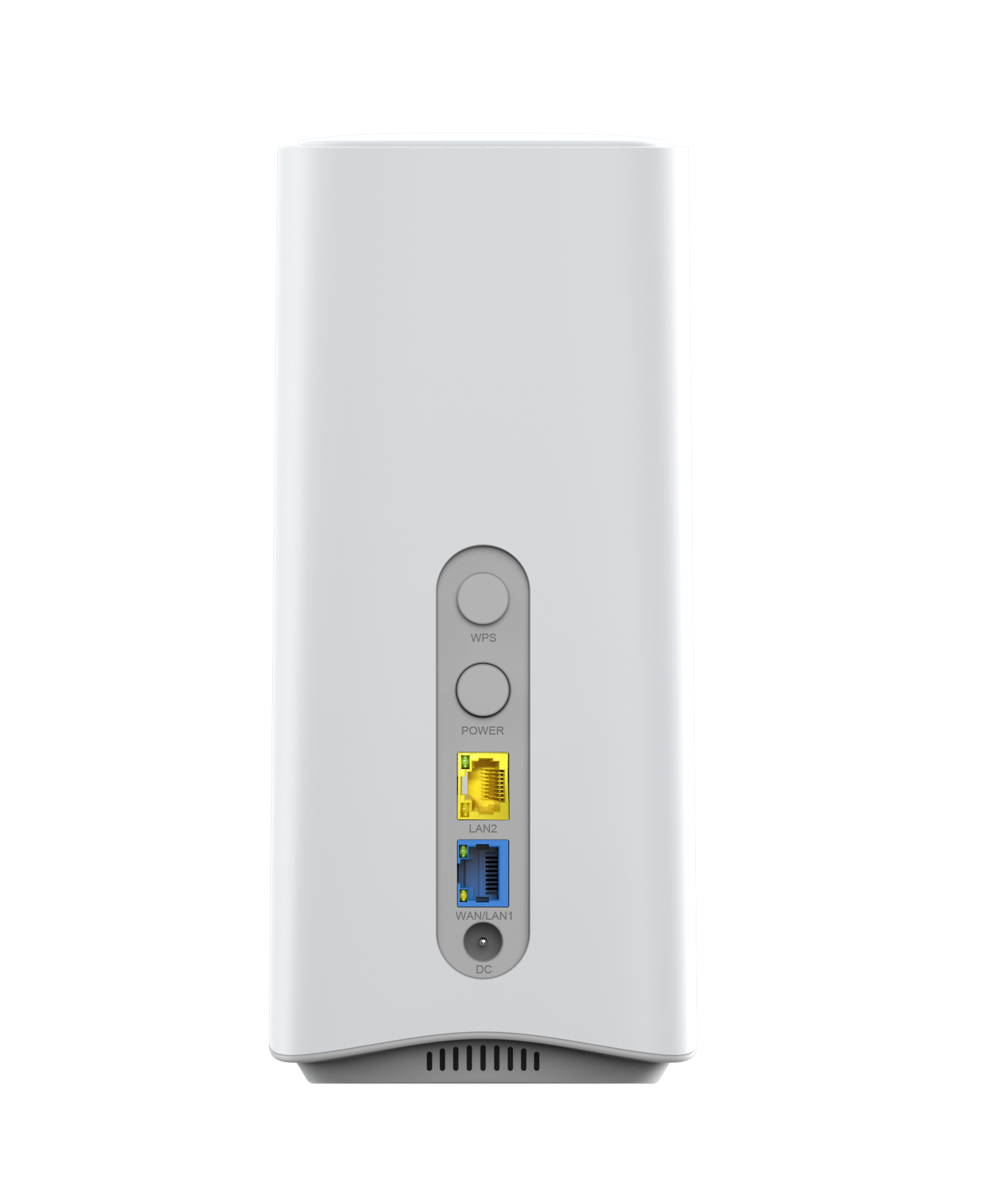
Source wholesale Fixed Wireless Terminals (FWT) directly from vetted manufacturers and factories. Built for telecom distributors, hardware importers, and brands seeking OEM/ODM production, our catalog connects you with suppliers producing reliable 4G LTE and 5G terminals designed for carrier-grade network stability and global band compatibility.
Fixed Wireless Terminals (FWT) bridge the gap between cellular networks and traditional PBX or analog telephony infrastructure. For telecom distributors and enterprise hardware importers, sourcing reliable FWTs requires navigating regional frequency bands, module certifications, and rigorous RF calibration. A terminal that performs flawlessly in one market can suffer severe packet loss, voice degradation, or connection drops in another if the baseband configuration and antenna tuning are mismatched.
Core Specifications & Module Selection
The performance and cost of a Fixed Wireless Terminal are dictated primarily by its cellular module and mainboard architecture. When negotiating with manufacturers in Shenzhen or Dongguan—the primary hubs for telecom hardware—you must specify exact component requirements rather than relying on generic "4G" or "5G" labels.
| Specification | Standard Commercial | Industrial / Enterprise |
|---|---|---|
| Cellular Module | Generic/Local chipset | Quectel, SIMCom, or Fibocom |
| Network Support | 4G LTE Cat 1 / Cat 4 | 4G LTE Cat 6+, 5G NSA/SA |
| Voice Protocols | CSFB (Circuit Switched Fallback) | Native VoLTE, SIP/VoIP support |
| Interfaces | 1x RJ11, internal antenna | 2x RJ11 (FXS/FXO), RJ45 WAN/LAN, SMA external |
The transition away from 2G and 3G networks globally makes VoLTE (Voice over LTE) mandatory for modern FWTs. Ensure the firmware provided by the factory supports the specific VoLTE profiles of your destination carriers.
Navigating carrier bands and module selection is complex. Let us help you match the right manufacturer to your technical requirements.
Talk to our teamManufacturing Tolerances & Quality Control
Producing telecom hardware requires strict adherence to RF (Radio Frequency) engineering principles. The difference between a reliable terminal and one plagued by static or dropped calls is often found on the factory floor during the Surface Mount Technology (SMT) and assembly phases.
Critical Factory Checkpoints
- RF Calibration: Ensuring the antenna circuit is tuned for optimal VSWR (Voltage Standing Wave Ratio) to prevent signal reflection.
- SMT Precision: Verifying cellular modules are perfectly soldered to prevent thermal throttling or RF leakage.
- Audio Testing: Hardware-level echo cancellation and call setup success rate testing.
- Power Supply Stability: Checking the voltage regulation to prevent reboot loops during network handover.
To mitigate these risks, implementing strict Quality Control & Inspection protocols—specifically in-line testing of the PCBA before final housing assembly—is essential. Catching a poorly tuned antenna after the unit is sealed and packaged is an expensive mistake.
Compliance and Carrier Approvals
A functioning device is only half the battle; the terminal must be legally permitted to operate on the destination network.
Certification Requirements
CE (RED directive) and FCC are baseline regulatory requirements. However, many network operators also require PTCRB (North America) or GCF (Global) certification to allow the device's IMEI onto their network. Always verify if the factory's module holds these certifications.
If you are customizing the housing or antenna array, the factory's existing certifications may be invalidated, requiring new lab tests. Engaging a partner for Compliance & Testing early in the procurement cycle prevents shipments from being held at customs or blacklisted by telecom operators.
Pricing, MOQs, and Lead Times
Wholesale pricing for Fixed Wireless Terminals is highly sensitive to the cellular module used. A basic 4G LTE Cat 1 terminal for voice only will cost significantly less than a 5G-enabled terminal routing high-speed data.
If your project requires specific firmware integration for remote management (like TR-069) or custom housing, leveraging dedicated OEM/ODM Services ensures the factory's R&D team is capable of executing the software modifications, rather than just assembling off-the-shelf parts.
Need realistic pricing and lead times for your specific FWT configuration? We can source and vet the right suppliers for your volume.
Get a free consultationFrequently Asked Questions
Successfully sourcing Fixed Wireless Terminals requires looking past the outer plastic shell and deeply evaluating the internal baseband architecture. By prioritizing module quality, RF tuning, and strict firmware validation, you can deploy hardware that delivers the reliability enterprise and telecom clients demand.
Get Sourcing Help for Fixed Wireless Terminals
Tell us your requirements and our experts will connect you with verified manufacturers.