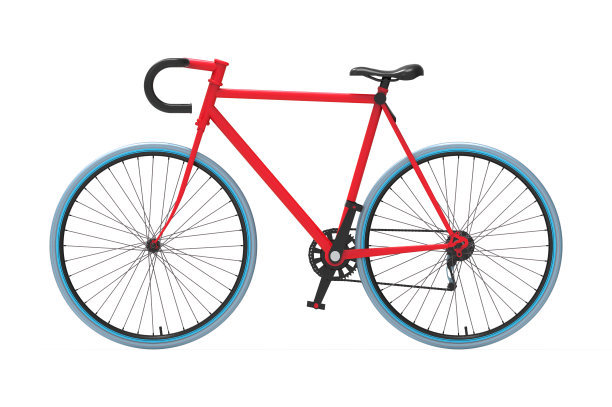
Fixed Gear Bikes
Source premium fixed gear bikes from vetted manufacturers and suppliers. Designed for importers, wholesalers, and cycling brands seeking reliable OEM and private-label production, our factory-direct network ensures you secure competitive bulk pricing without compromising on frame integrity or drivetrain precision.
Sourcing fixed gear bikes (often referred to as "fixies") at scale requires balancing aggressive geometry and minimalist aesthetics with strict safety tolerances. Because these bicycles rely on a direct-drive mechanism with minimal components, any flaw in frame alignment, bottom bracket threading, or rear hub durability is immediately apparent to the rider. For wholesale buyers and brands, success depends on identifying manufacturers capable of consistent TIG welding, precise component assembly, and reliable supply chain management.
Frame Materials and Geometry Specifications
The frame is the core value driver of a fixed gear bike. Factories typically specialize in specific materials, which dictate the tooling, welding processes, and ultimate market positioning of your product. When specifying your build, frame geometry—specifically the bottom bracket drop, fork trail, and track dropout angle—must be clearly defined in your tech pack.
| Material | Durability & Ride Feel | Weight Profile | Target Market |
|---|---|---|---|
| Hi-Ten Steel | Moderate; absorbs road vibration well | Heavy | Entry-Level / Budget Commuter |
| 4130 Chromoly | High; excellent fatigue life and flex | Moderate | Mid-Range / Enthusiast / Freestyle |
| 6061 Aluminum | High (Stiff); highly responsive power transfer | Light | Premium Urban / Track Racing |
For aluminum frames, ensure your supplier uses proper post-weld heat treatment (T6) to restore the metal's structural integrity. Skipping this step is a common cost-cutting measure in lower-tier factories that leads to catastrophic frame failure under heavy pedaling loads.
Need to verify a factory's frame alignment and heat-treatment capabilities before placing a bulk order?
Talk to our teamDrivetrain Tolerances and Component Sourcing
Because fixed gear bikes lack derailleurs to take up chain slack, the drivetrain operates under immense, continuous tension. The quality of the drivetrain components makes or breaks the bike.
- Hubs and Lockrings: The rear hub must feature stepped threading to accommodate both the track cog and a reverse-threaded lockring. Stripped hub threads are a primary cause of returns. Specify CNC-machined alloy hubs with sealed cartridge bearings over loose-ball configurations for better longevity.
- Chainline Alignment: A standard fixed gear chainline is 42mm. The bottom bracket spindle length and crankset offset must perfectly align with the rear cog. Even a 2mm deviation will cause premature chain wear, noise, and potential derailment.
- Flip-Flop Hubs: Most commercial fixed gear bikes are sold with a "flip-flop" rear hub (fixed gear on one side, freewheel on the other). Ensure the factory sources freewheels that engage cleanly without excessive play.
Quality Control on the Factory Floor
Catching defects before assembly and shipping is critical. Factories producing fixed gear bikes often assemble components sourced from dozens of sub-suppliers. Implementing rigorous Quality Control & Inspection during the frame-building and final assembly stages prevents costly rework.
Critical Inspection Points for Fixed Gear Bikes
- Track dropout alignment and rear spacing (strict 120mm standard)
- Bottom bracket shell threading (must be clean and free of paint over-spray)
- Lockring torque and reverse-thread verification on the rear hub
- TIG weld penetration and aesthetic consistency across all tube junctions
- Wheel truing and uniform spoke tension balance
- Crank arm torque and chainline straightness (42mm standard)
Before committing to a new supplier, conducting comprehensive Factory Audits is highly recommended to verify their testing equipment, such as frame fatigue testers and wheel truing stands.
Production Timelines, MOQs, and Pricing Reality
When sourcing fixed gear bikes, pricing is heavily dictated by the frame material and the tier of components (e.g., generic unbranded cranks vs. branded components like Lasco or Sugino). Most factories offer extensive OEM/ODM Services, allowing you to customize paint codes, decal placements, and component combinations.
Factories will generally allow you to split an MOQ of 100 units across 2 to 3 frame sizes (e.g., 52cm, 55cm, 58cm) and perhaps two colorways, though this varies by manufacturer.
Looking to scale your private-label bicycle brand with reliable, cost-effective manufacturing?
Get a free consultationFrequently Asked Questions
Successfully importing fixed gear bikes requires moving beyond aesthetic choices to enforce strict mechanical tolerances at the factory level. By defining exact component specifications and maintaining rigorous oversight during assembly, brands can deliver a high-performance, durable product that builds market trust.
Get Sourcing Help for Fixed Gear Bikes
Tell us your requirements and our experts will connect you with verified manufacturers.