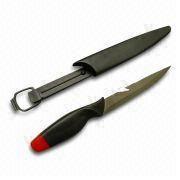
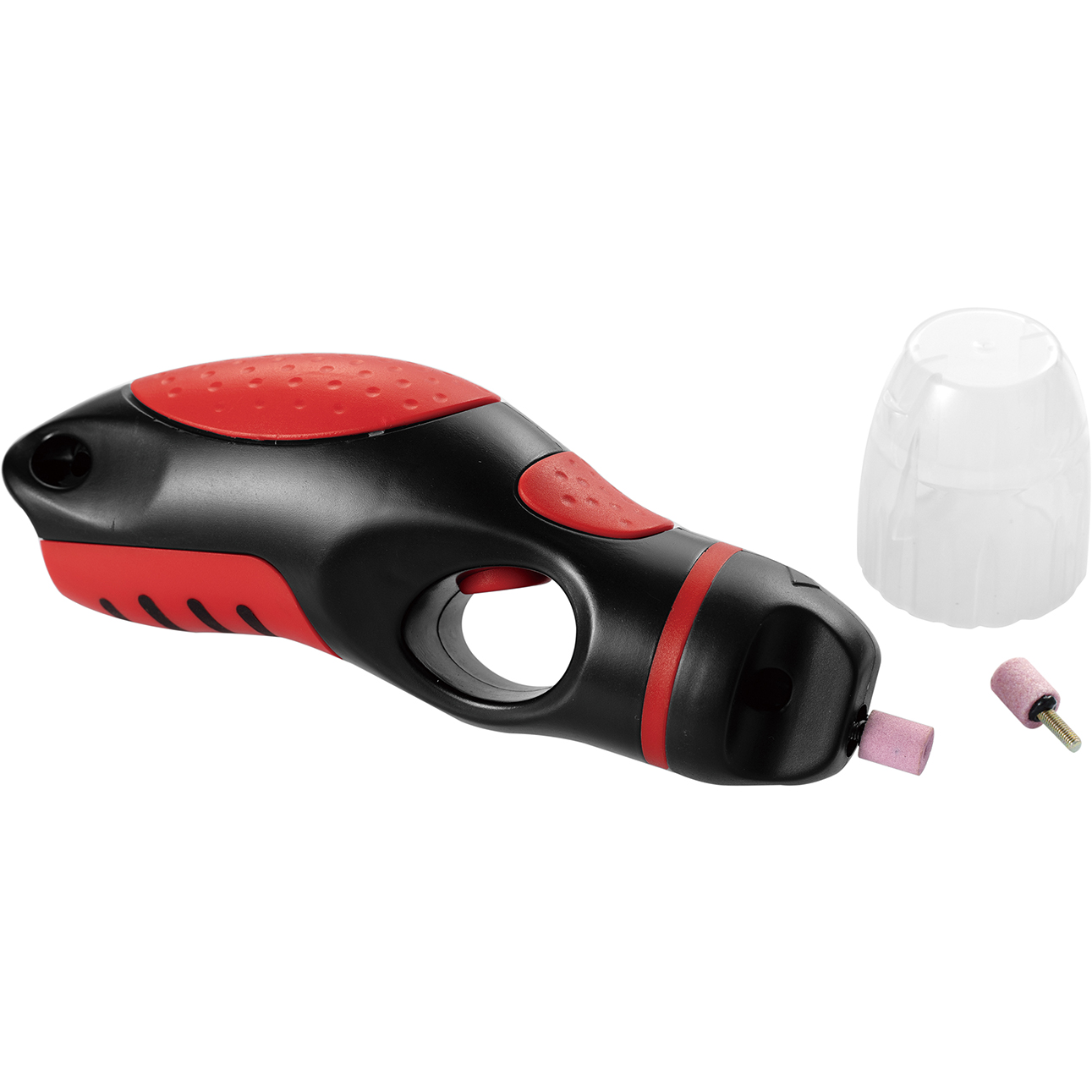
Fishing Tools & Accessories
Source high-quality fishing tools and accessories from vetted suppliers and manufacturers across Asia. Designed for importers, wholesale distributors, and tackle brands seeking reliable OEM and private-label production, our network delivers durable, precision-engineered gear in bulk at highly competitive price points.
Sourcing fishing tools and accessories in volume requires balancing harsh environmental demands with strict unit economics. Whether you are bringing saltwater-grade aluminum pliers, lip grippers, or high-leverage hook removers to market, the core challenge lies in material integrity. A tool that seizes up or corrodes after one season damages a brand's reputation, making factory selection, precise material specification, and rigorous quality control critical to your bottom line.
Material Specifications and Production Methods
The durability of fishing tools depends entirely on the base metals and surface treatments used. Factories typically offer a range of material grades, and failing to specify the exact alloy will often result in the supplier defaulting to the cheapest available option.
| Material Grade | Typical Application | Corrosion Resistance | Manufacturing Method |
|---|---|---|---|
| Aluminum 6061-T6 | Premium pliers, grips | High (requires anodizing) | CNC Machined |
| Stainless Steel 420 | Standard cutters, scissors | Moderate | Stamped & Polished |
| Stainless Steel 316 | Saltwater heavy-duty tools | Excellent | Forged / Machined |
| Tungsten Carbide | Replaceable line cutters | Extreme | Sintered inserts |
When dealing with premium aluminum tools, CNC machining is standard. However, the quality of the finish depends on the anodizing process. Type II anodizing is common for freshwater tools, but Type III hard-coat anodizing is mandatory for saltwater environments to prevent pitting. Verifying a supplier's machining tolerances and surface treatment partnerships is essential before placing volume orders.
Need to verify a supplier's CNC and finishing capabilities? We conduct thorough factory audits to ensure your production partners meet strict technical standards.
Talk to our teamQuality Control Defect Hotspots
Fishing tools have moving parts that are subjected to grit, salt, and torque. Quality control cannot be limited to visual inspections; functional and environmental testing must be built into your supplier agreement.
Critical QC Checks for Fishing Tools
- Tungsten Cutter Alignment: Cutters must meet flush with zero light gap to cleanly slice braided line.
- Salt Spray Testing: Minimum 72-hour salt spray test (SST) for freshwater tools, and 144-hour SST for saltwater-rated gear.
- Spring Tension and Retention: Internal springs must not deform after 1,000 compression cycles.
- Grip Adhesion: TPR or EVA over-molded grips must resist peeling when subjected to high-torque twisting.
- Fastener Integrity: All screws and pivot rivets must be marine-grade stainless steel, treated with thread-locking fluid.
Catching a misalignment in cutter inserts or a failed batch of anodizing after the goods have shipped is a costly mistake. Implementing robust Quality Control & Inspection protocols during production (in-line) and before shipment ensures these functional defects are caught on the factory floor.
MOQs, Lead Times, and Pricing Drivers
Understanding the economic realities of fishing tool manufacturing helps in negotiating better terms and planning your supply chain. Tooling costs and raw material minimums heavily influence factory requirements.
Pricing is primarily driven by the manufacturing method. A stamped stainless steel tool can cost a fraction of a CNC-machined aluminum tool because CNC processing requires significantly more machine time per unit. Additionally, specifying tungsten carbide cutter inserts will increase the unit cost but is universally expected by serious anglers.
Struggling to hit your target landed cost? Let us evaluate your product specifications and match you with a factory optimized for your price and quality tier.
Get a free consultationFrequently Asked Questions
Successful procurement in the fishing tackle sector goes beyond finding a cheap unit price. It requires a deep understanding of metallurgy, machining tolerances, and environmental testing. By partnering with the right Product Sourcing experts, you can navigate these technical hurdles, secure reliable production lines, and bring high-performance fishing tools to market with confidence.
Get Sourcing Help for Fishing Tools & Accessories
Tell us your requirements and our experts will connect you with verified manufacturers.