First Aid Kits
Source bulk First Aid Kits from vetted suppliers and manufacturers across Asia. Designed for wholesale distributors, medical device importers, and brands looking for reliable OEM and private-label production, this catalog features compliant medical consumables ready for global markets.
Sourcing first aid kits in volume is fundamentally an exercise in component management and regulatory compliance. A single kit contains dozens of individual items—from sterile bandages and trauma shears to CPR masks—often produced by different sub-tier factories before final assembly. Ensuring that every component meets destination-market medical device regulations, while keeping the overall kit cost-effective, requires strict oversight of the assembly facility's supply chain.
Kit Configuration and Regional Standards
Professional buyers must specify kits according to the regulatory standards of their target market. A kit designed for a European vehicle will not meet North American workplace safety requirements.
When establishing your bill of materials (BOM), you will typically build around established frameworks:
- ANSI/ISEA Z308.1 (USA): Defines Class A (common workplace injuries) and Class B (broader range of complex injuries) kits.
- DIN 13164 / DIN 13157 (Europe): Strict standards for vehicle and workplace first aid kits, dictating exact dimensions, quantities, and material specs for bandages and plasters.
- HSE Guidelines (UK): Specifies contents based on workplace risk levels and employee headcount.
| Standard | Primary Application | Key Component Focus |
|---|---|---|
| ANSI/ISEA Z308.1 | US Workplace | Minimum quantities, specific burn treatments |
| DIN 13164 | EU Automotive | High-visibility packaging, specific sterile dressings |
| BS 8599-1 | UK Workplace | Nitrile gloves, specialized trauma dressings |
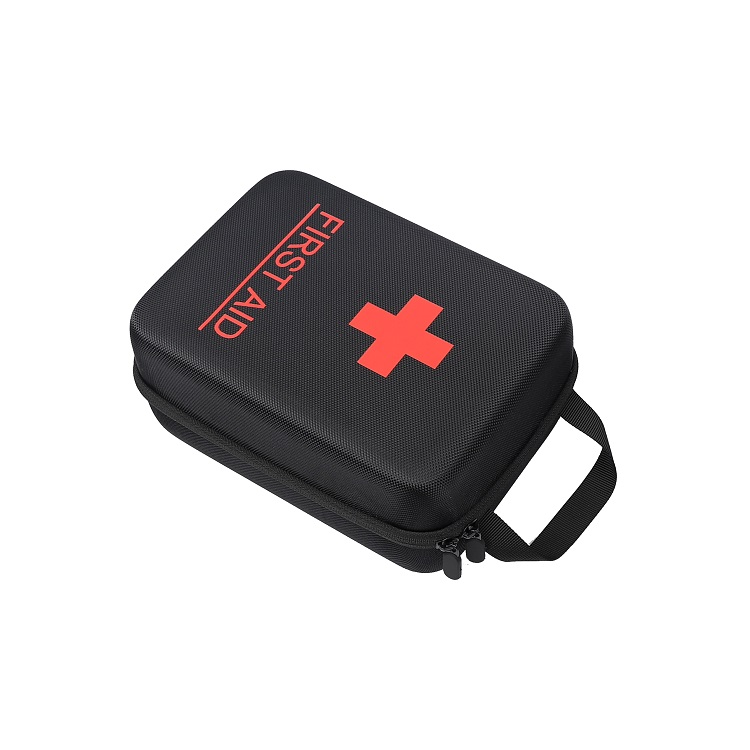
If you are developing proprietary configurations for retail or specialized industries (e.g., tactical trauma kits, marine survival kits), defining the exact specifications of the outer bag (denier rating, water resistance, zipper quality) is just as critical as the medical consumables inside. Developing these through dedicated OEM/ODM Services ensures the factory sources the correct custom materials rather than defaulting to off-the-shelf, lower-grade nylon.
Need help verifying if a factory's standard bill of materials meets your target market's regulatory requirements?
Discuss your kit specificationsManaging Component Quality and Expiry
The most common failure point in first aid kit manufacturing is component inconsistency. Because the final assembly factory rarely produces every item in-house, they act as a consolidator. Without strict oversight, sub-tier suppliers may substitute cheaper materials (e.g., using PVC instead of nitrile for gloves, or low-adhesion glue for plasters).
Critical Inspection Points for Assembled Kits
- Expiry Date Synchronization: Ensure all sterile components have aligned expiration dates to prevent the overall kit from expiring prematurely.
- Sterilization Validation: Verify EO (Ethylene Oxide) or Gamma sterilization certificates for individually wrapped sterile dressings.
- Bag Durability: Test zipper stress, seam stitching, and water resistance of the outer casing, especially for outdoor or tactical kits.
- Labeling Compliance: Check CE marks, FDA registration numbers, and UDI (Unique Device Identification) barcodes on individual component packaging.
Navigating the regulatory landscape for these kits requires comprehensive Compliance & Testing. In many jurisdictions, an assembled first aid kit is treated as a medical device in its own right, meaning the assembler must hold appropriate quality management certifications, typically ISO 13485, and maintain full traceability of all enclosed components.
Pricing Drivers, MOQs, and Lead Times
First aid kit pricing is highly variable, driven by component count, the quality of the outer case (e.g., hard ABS plastic vs. soft EVA foam vs. basic nylon), and the regulatory certifications required.
When negotiating bulk orders, be aware that factories may quote artificially low prices by substituting non-sterile dressings or low-grade adhesive bandages. Always request a line-item breakdown of the BOM. Implementing rigorous Quality Control & Inspection before the kits are sealed and packed into master cartons is the only reliable way to ensure the agreed-upon components actually made it into the final product.
Ready to standardize your component quality and negotiate better pricing on bulk first aid kit orders?
Talk to our teamFrequently Asked Questions
Sourcing first aid kits requires treating the purchase not as buying a single product, but as managing a micro-supply chain of 20 to 50 distinct medical devices. Success depends entirely on the rigorous vetting of the assembler's quality management system and their control over sub-tier component suppliers.
Get Sourcing Help for First Aid Kits
Tell us your requirements and our experts will connect you with verified manufacturers.