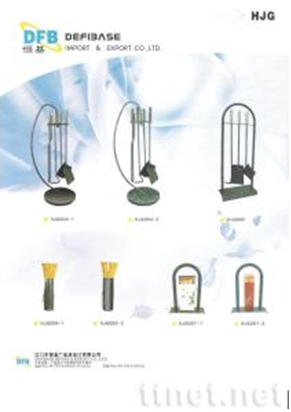
Fireplace Parts
Source high-quality Fireplace Parts from vetted suppliers and manufacturers across Asia. Designed for importers, wholesalers, and brands seeking reliable OEM and private-label production, this selection offers bulk purchasing options for critical heating components. Secure competitive wholesale pricing directly from the factory.
Sourcing fireplace components at scale requires navigating specialized manufacturing processes, from heavy iron casting to precision sheet metal stamping and refractory ceramics. The primary challenge lies in ensuring consistent material performance under extreme thermal cycling. A minor defect in a casting, improper metal gauge, or a substandard heat-resistant coating can lead to premature failure, warping, or safety hazards in the final heating appliance.
Manufacturing Processes & Material Selection
Fireplace parts are largely divided by their manufacturing process, which dictates the type of factory you need to engage. Foundries handle heavy, heat-retaining components, while metal fabrication facilities handle housings, surrounds, and burners.
| Material & Process | Typical Components | Primary Sourcing Challenge |
|---|---|---|
| Sand Cast Iron | Grates, firebacks, dampers, doors | Managing porosity, shrinkage cavities, and weight variances. |
| Stamped / Spun Steel | Burner pans, surrounds, heat shields | Maintaining dimensional stability and preventing warpage under heat. |
| Refractory Ceramics | Firebox panels, logs, insulation | Ensuring consistent density and preventing transit breakage. |
When working with overseas foundries, specifying the exact grade of cast iron (such as gray iron HT150 or HT200) is critical. Lower grades may be cheaper but are significantly more prone to cracking after repeated heating and cooling cycles. For steel components, gauge thickness must be strictly enforced, as factories under margin pressure may attempt to substitute thinner sheet metal, which will warp when exposed to direct flame.
Dealing with inconsistent casting quality or high tooling costs? Let us help you evaluate and upgrade your supply chain.
Talk to our teamManaging Quality in High-Heat Applications
Quality control for fireplace parts goes beyond dimensional checks; it requires verifying the material's ability to withstand harsh environments. Implementing robust Quality Control & Inspection protocols at the factory level is non-negotiable.
Critical Inspection Points for Fireplace Parts
- Weight tolerance: Cast iron parts should be weighed to ensure they meet the approved sample; underweight parts indicate unauthorized material reduction.
- Surface finish: Check for sand inclusions, cold shuts, or excessive grinding marks on cast parts.
- Coating adhesion: High-temperature paints (often silicone-based) must be cross-hatch tested to ensure they will not flake at peak operating temperatures.
- Dimensional stability: Measure stamped steel parts against jigs to ensure they remain within tolerance for final assembly.
High-Temperature Paint Curing
Many high-temperature powder coats and wet paints require a specific curing cycle. If the factory rushes the baking process, the coating will outgas and peel during the end-user's first fire. Always specify the curing time and temperature in your purchase order.
Furthermore, if your parts are integral to the emissions or safety systems of a stove or fireplace, ensuring they meet the required Compliance & Testing standards for your target market (such as EPA requirements in the US or Ecodesign in Europe) must be built into the sourcing timeline.
Sourcing Mechanics: MOQs, Tooling, and Pricing
The economics of sourcing fireplace parts are heavily influenced by tooling costs and raw material market fluctuations (specifically iron ore and steel indices). Foundries operate on different economies of scale compared to standard assembly plants.
If you are developing proprietary designs, utilizing OEM/ODM Services allows you to control the intellectual property of your molds. Tooling for sand casting is relatively inexpensive compared to plastic injection molding, often ranging from a few hundred to a couple of thousand dollars depending on the complexity and the number of cavities on the matchplate. However, progressive dies for high-volume steel stamping require a significantly higher upfront investment.
Need to consolidate your fireplace component sourcing or develop custom tooling? Our engineers can streamline the process.
Get a free consultationFrequently Asked Questions
Securing a Reliable Supply Chain
Successfully importing fireplace parts in bulk relies on matching your specific component needs with the right type of manufacturer. A factory that excels at precision sheet metal may struggle with heavy casting, and vice versa. Conducting thorough Factory Audits to verify a supplier's metallurgical capabilities, environmental compliance, and quality management systems is the most effective way to secure a stable, long-term supply chain.
Get Sourcing Help for Fireplace Parts
Tell us your requirements and our experts will connect you with verified manufacturers.