Fire Hydrants
Source industrial-grade fire hydrants from vetted manufacturers and wholesale suppliers. Built for commercial procurement managers, safety distributors, and brands requiring reliable OEM production, our network delivers high-volume orders engineered to strict international fire safety standards.
Sourcing fire hydrants at scale requires navigating a complex intersection of heavy metallurgy, precision fluid dynamics, and rigid life-safety compliance. Because these units sit dormant for years but must function flawlessly under extreme pressure at a moment's notice, the margin for manufacturing error is zero. For procurement managers and distributors, the primary challenge is identifying foundries capable of consistent ductile iron casting while maintaining the traceability required for global fire codes.
Engineering and Material Specifications
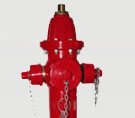
The structural integrity of a fire hydrant dictates its lifespan and reliability. Most municipal and industrial applications demand ductile iron (ASTM A536) for the main body due to its high tensile strength and impact resistance, replacing older gray cast iron standards.
| Hydrant Type | Climate Suitability | Valve Location | Maintenance Profile |
|---|---|---|---|
| Dry Barrel | Freezing climates | Below frost line | Higher (requires drain valve checks) |
| Wet Barrel | Warm climates (no freeze risk) | At the nozzle/outlet | Lower (fewer moving parts below ground) |
Internal components—specifically the main valve, seat ring, and operating nut—must be machined from corrosion-resistant alloys like bronze or brass (e.g., AWWA C800). The exterior coating is equally critical; standard specifications require fusion-bonded epoxy coating (AWWA C550) on both interior and exterior surfaces to a thickness of at least 8 to 12 mils to prevent tuberculation and soil-based corrosion.
Need a foundry capable of meeting strict AWWA or EN standards? We vet manufacturers for precise casting and machining capabilities.
Talk to our teamQuality Control and Certification Requirements
In the firefighting sector, uncertified equipment is a massive liability. The factory's quality management system must ensure that every unit can withstand municipal water pressure spikes and physical impacts. Relying on factory audits is essential to verify that the supplier has in-house hydrostatic testing facilities and a documented chain of custody for raw materials.
Critical Pre-Shipment Inspections for Hydrants
- Hydrostatic shell testing (typically at 500 PSI / 34.5 Bar) to ensure zero body leakage.
- Seat testing (typically at 250 PSI / 17.2 Bar) to verify the main valve seal.
- Coating thickness verification using dry film thickness (DFT) gauges.
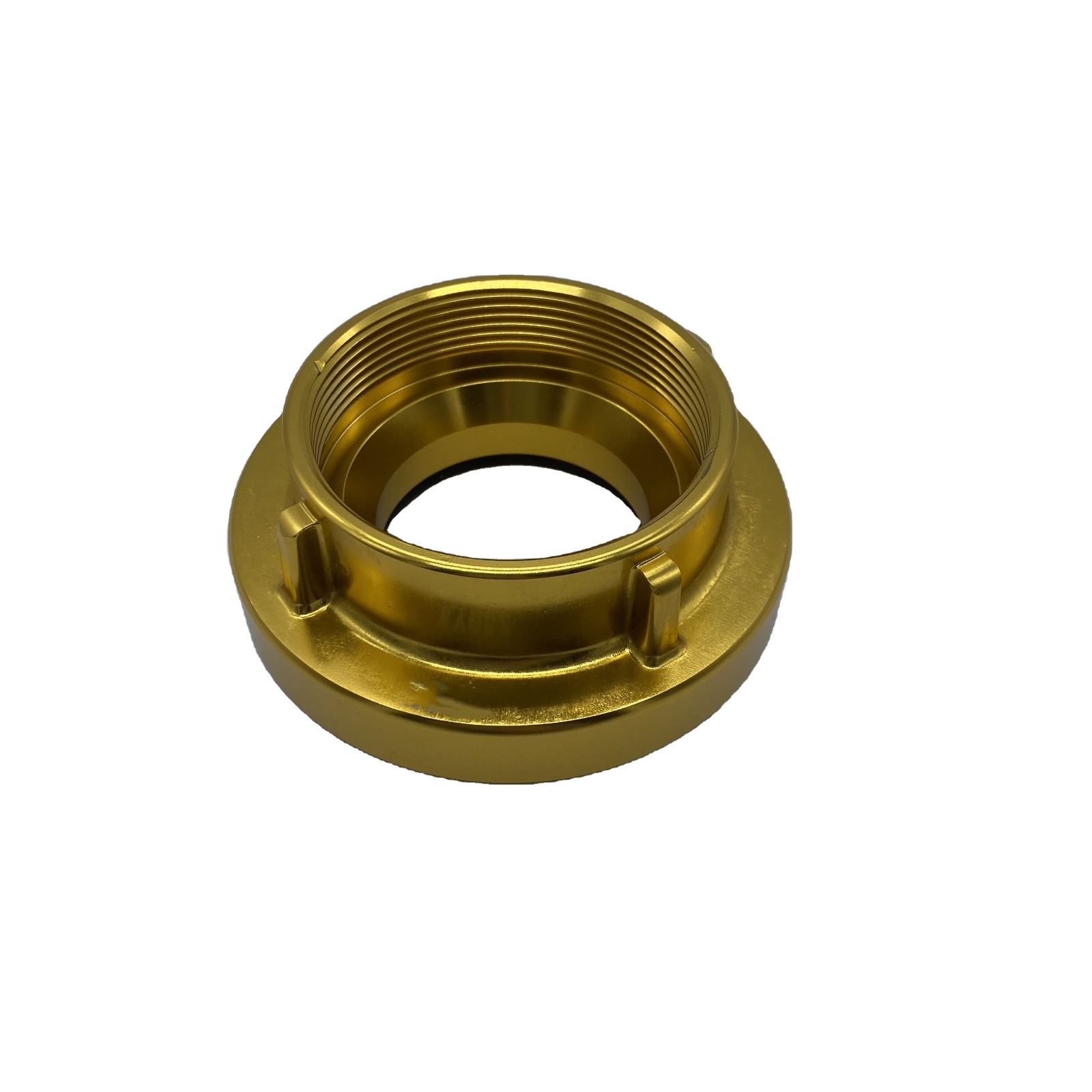
- Dimensional checks on pumper and hose nozzle threads to ensure regional compatibility (e.g., NST, BSP, or Storz).
- Torque testing on the operating nut to confirm smooth opening under simulated pressure.
For North American markets, UL Listing and FM Approval are mandatory for commercial installations. In Europe, CE marking and EN 14339 (underground) or EN 14384 (pillar) compliance are required. Implementing rigorous quality control & inspection protocols at the factory level ensures these standards are met before the container is sealed.
Production Economics: MOQs, Pricing, and Lead Times
Hydrant manufacturing is a heavy-industry process. Foundries operate with massive furnaces and sand-casting lines, meaning production runs must justify the setup costs.
Pricing is highly sensitive to the global commodities market, specifically ductile iron and copper (for bronze internals). Furthermore, custom thread patterns, specific operating nut shapes (pentagon vs. square), or specialized traffic flange designs (breakaway models) will increase costs and extend lead times. If you require private-label casting with your brand's logo embossed on the barrel, utilizing OEM/ODM services will necessitate an initial investment in custom sand-casting molds.
Optimize your procurement strategy. We help buyers secure competitive pricing on certified fire safety equipment without compromising quality.
Get a free consultationFrequently Asked Questions
Procuring fire hydrants in bulk is fundamentally an exercise in risk management. The lowest quoted price often masks inferior casting porosity or unverified bronze alloys that will fail in the field. Success requires partnering with foundries that treat traceability and hydrostatic testing as non-negotiable standards, ensuring every unit deployed is ready for the demands of emergency response.
Get Sourcing Help for Fire Hydrants
Tell us your requirements and our experts will connect you with verified manufacturers.