Filter Papers
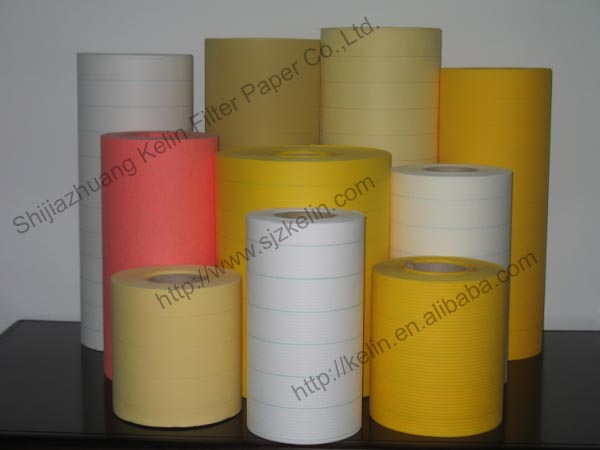
Source industrial and laboratory-grade filter papers from vetted suppliers and manufacturers across Asia. Built for importers, wholesale distributors, and brands seeking reliable OEM production, our network delivers consistent filtration performance, strict quality control, and competitive bulk pricing.
Sourcing filter paper in commercial volumes requires navigating a complex matrix of material properties. Whether you are procuring heavy-duty impregnated papers for automotive and industrial fluid filtration or precision grades for laboratory analysis, the core challenge remains identical: ensuring absolute consistency in porosity, basis weight, and wet strength across multi-ton production runs. A minor deviation in resin content or fiber distribution can lead to catastrophic pressure drops or complete filtration failure in the end application.
To secure reliable production, procurement teams must look past generic supplier claims and focus on the factory's pulp sourcing, refining capabilities, and in-line process controls.
Defining Critical Specifications
When approaching a manufacturer, relying on basic descriptions like "fine filtration" or "heavy duty" will result in misaligned expectations. Professional buyers must provide exact technical tolerances.
- Basis Weight and Thickness: Measured in grams per square meter (GSM) and millimeters. Thickness dictates the dirt-holding capacity and structural integrity of the paper. Consistency here indicates a well-calibrated Fourdrinier machine.
- Porosity and Flow Rate: Often measured via the Herzberg flow rate method (seconds per 100ml) or Gurley porosity. You must specify whether your micron rating is nominal (average pore size) or absolute (maximum pore size).
- Burst Strength (Dry and Wet): Measured via the Mullen burst test (kPa). For applications involving aqueous solutions or high-pressure oil, wet burst strength is non-negotiable. This is typically achieved through the addition of specialized wet-strength resins during the papermaking process.
Ensure your filter paper specifications match your application requirements before committing to a bulk order.
Get a free consultationManufacturing Variables and Quality Control
The performance of filter paper is won or lost in the initial pulp formulation and the subsequent chemical treatments. Suppliers generally use a blend of softwood and hardwood pulps, cotton linters, or synthetic/glass fibers, depending on the required chemical resistance and thermal stability.
For industrial and automotive applications, the paper is often impregnated with phenolic or acrylic resins to provide rigidity and resistance to hot oil and moisture. If the factory's curing ovens are poorly regulated, the resin may cure unevenly, leading to brittle paper that cracks during the pleating process.
Catching these defects requires robust Quality Control & Inspection protocols. Relying on end-of-line testing is risky; in-line inspections are necessary to monitor resin distribution and moisture content before the paper is spooled into jumbo rolls.
Essential Factory Quality Checks
- Fiber dispersion uniformity (checking for cloudiness or weak spots under transmitted light).
- Resin content percentage and curing uniformity (for impregnated grades).
- Edge slitting precision (frayed edges cause dust contamination in clean environments).
- Ash content verification (crucial for quantitative analytical grades, typically under 0.01%).
Customization and OEM Production
Most high-volume buyers require paper delivered in specific formats rather than standard jumbo rolls. Whether you need custom slit widths for automated pleating machines, die-cut discs for laboratory funnels, or specialized packaging for retail distribution, these requirements fall under OEM/ODM Services.
Verify that the supplier has in-house slitting and rewinding capabilities. Outsourcing this step to a third-party converter increases lead times and introduces a new vector for contamination, particularly if the paper is intended for food-grade or pharmaceutical applications.
Pricing Structures and MOQs
Filter paper pricing is highly sensitive to global pulp commodity indices and energy costs.
- Jumbo Rolls: For unprocessed industrial rolls, MOQs typically range from 1 to 3 metric tons per specification. Pricing is calculated per kilogram or per metric ton.
- Converted Products: For die-cut sheets or discs, MOQs are usually piece-based, often starting at 100,000 to 500,000 units depending on the dimensions.
- Specialty Grades: High-efficiency glass microfiber or ashless quantitative papers carry significantly higher price points and often have lower MOQs due to their specialized nature.
Before transferring a deposit, conducting thorough Factory Audits is highly recommended to confirm the supplier actually operates the required paper machines and isn't simply a trading company marking up a local mill's output.
Negotiating MOQs, securing favorable pricing, and managing production schedules requires local leverage and technical fluency.
Talk to our teamFrequently Asked Questions
Securing a reliable supply of filter paper means moving beyond standard catalogs and actively managing the technical specifications with the factory engineering team. By enforcing strict tolerances on basis weight, porosity, and strength, you protect your downstream production and ensure consistent performance for your end users.
Get Sourcing Help for Filter Papers
Tell us your requirements and our experts will connect you with verified manufacturers.