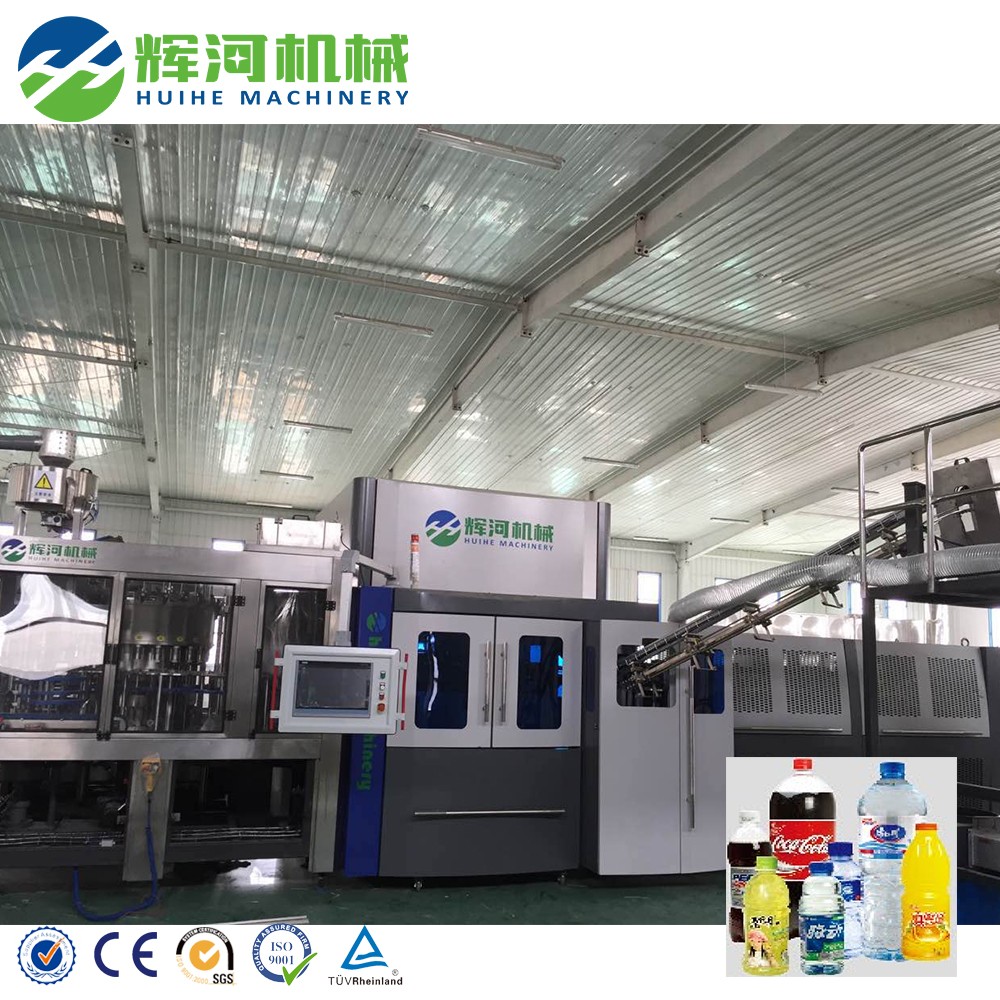
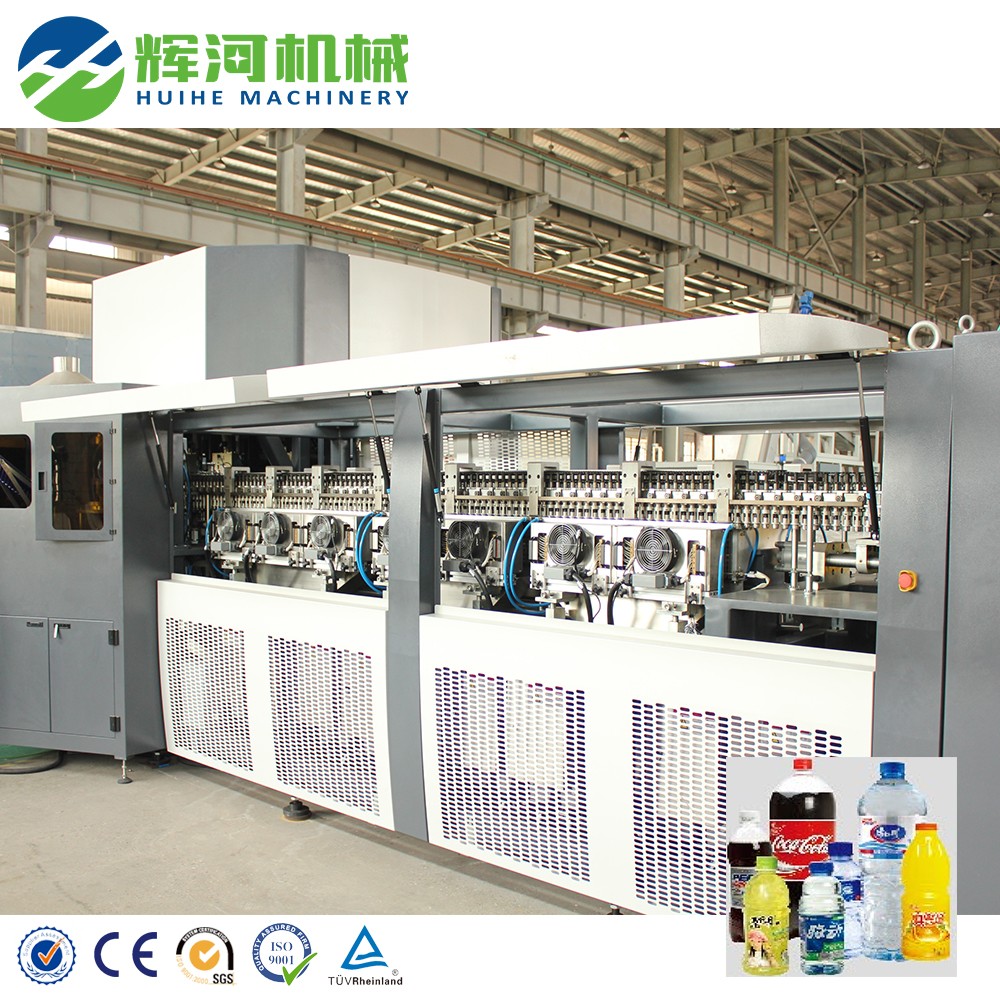
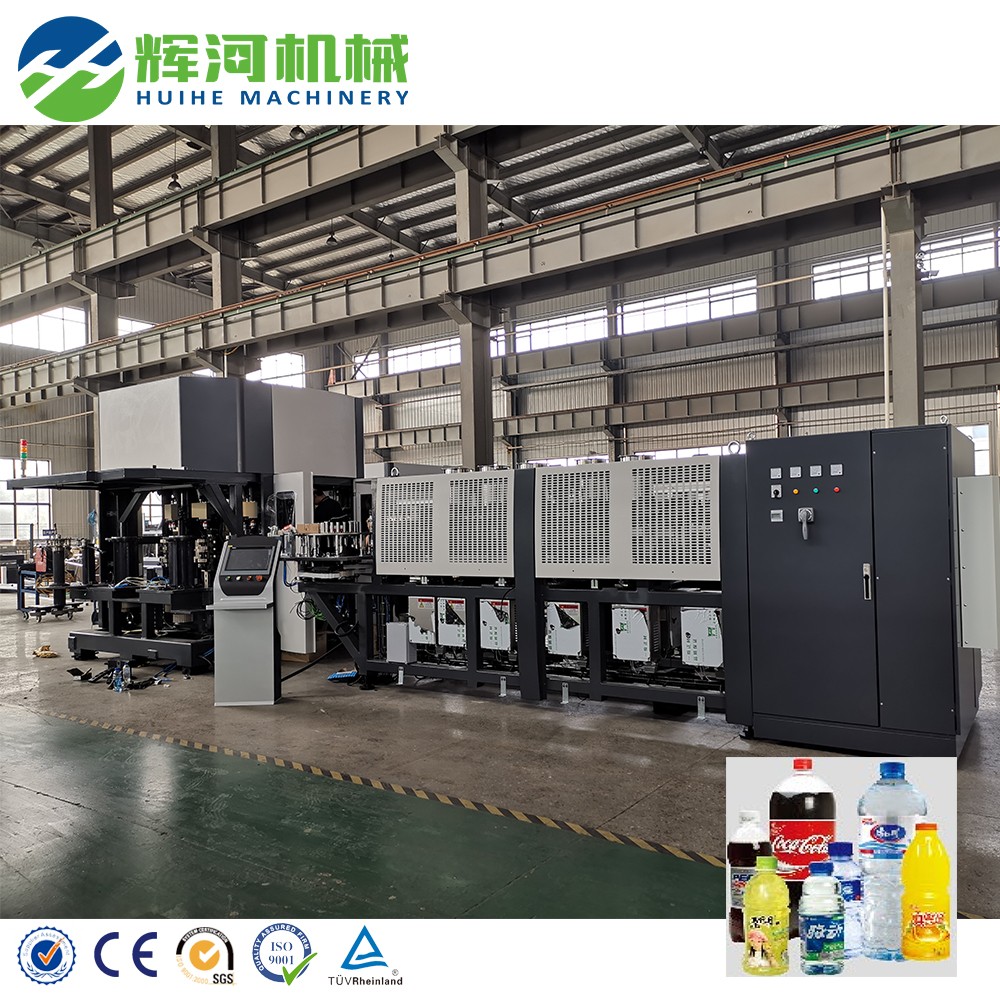
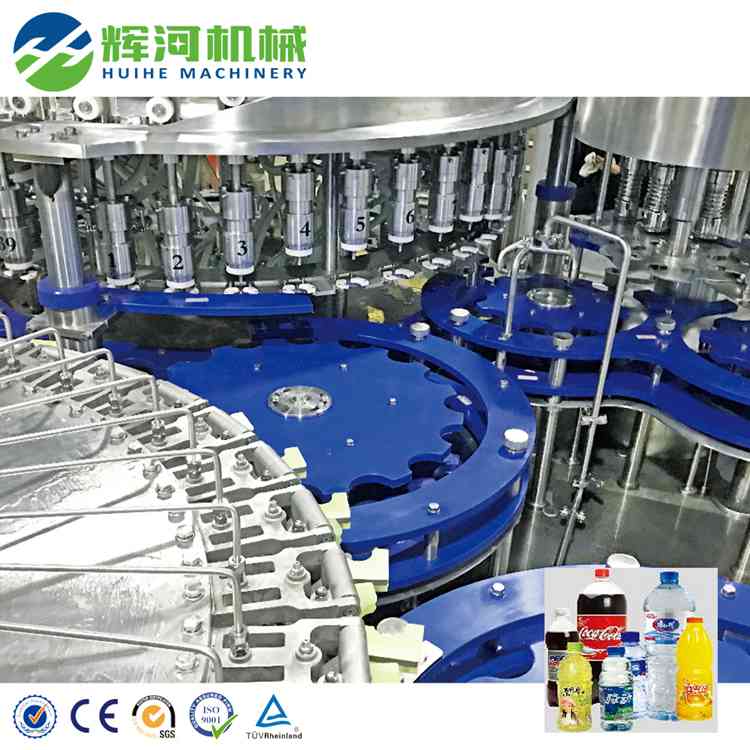
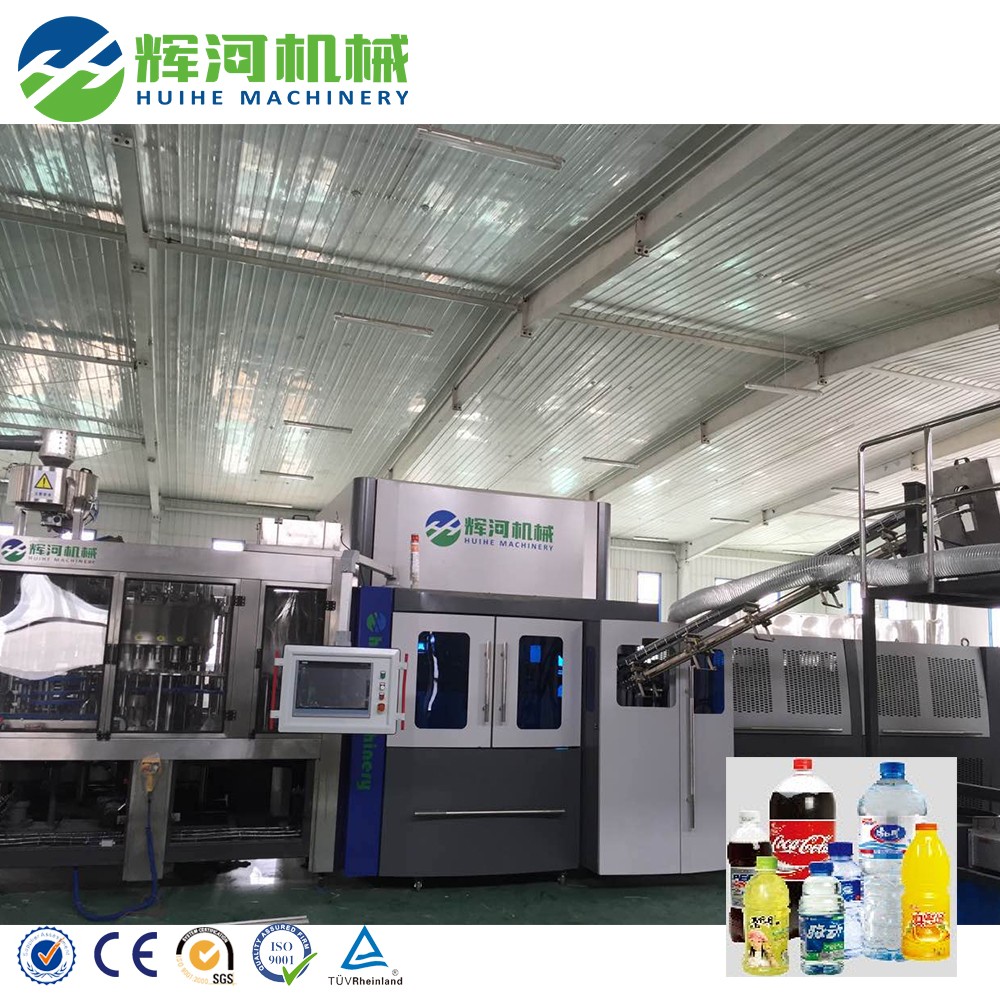
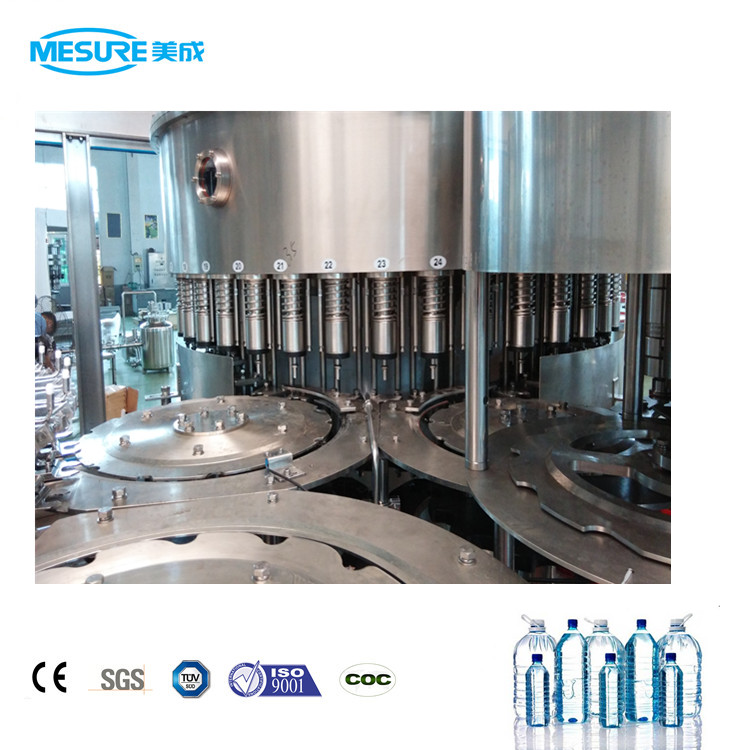
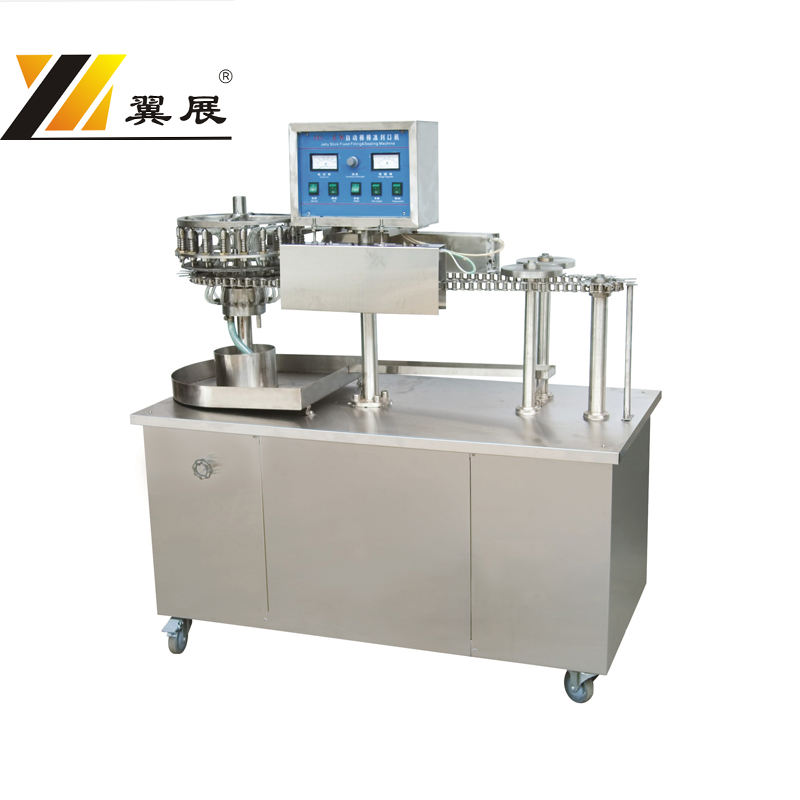
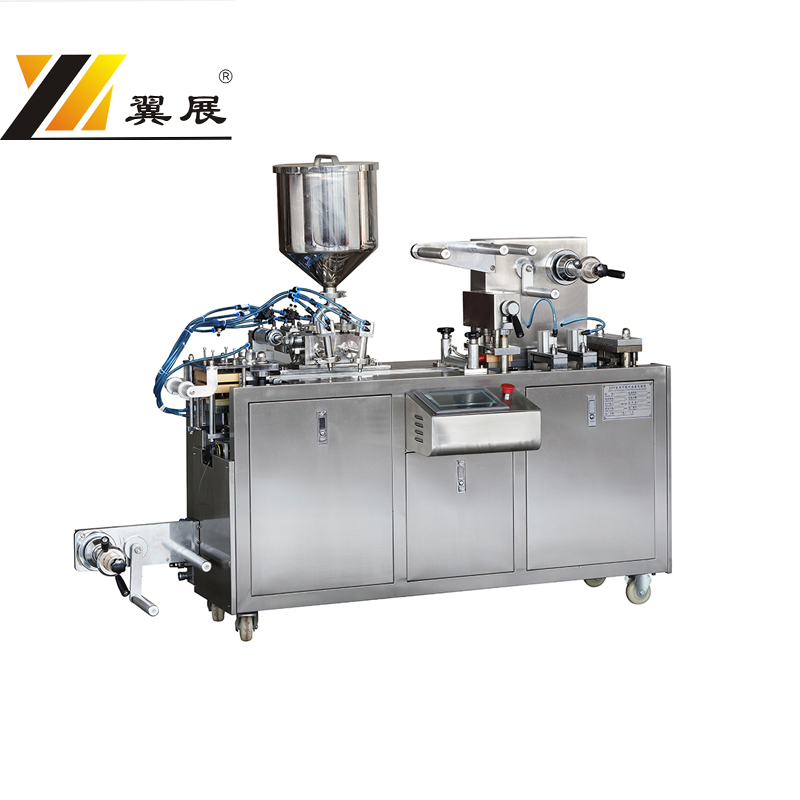
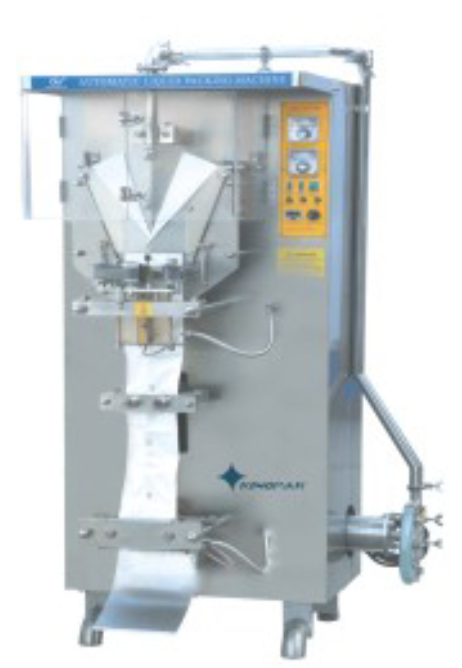
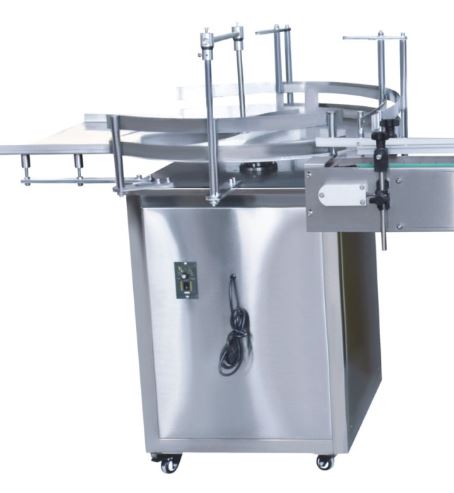
Filling Equipments for Beverages and Liquid Food
Source high-performance Filling Equipments for Beverages and Liquid Food from vetted suppliers and manufacturers in China. Designed for importers, distributors, and food and beverage brands looking for reliable OEM production, our bulk sourcing solutions ensure precision, compliance, and efficiency.
Sourcing industrial filling equipment for beverages and liquid food requires matching complex mechanical systems to specific fluid dynamics. Whether you are bottling free-flowing liquids, carbonated soft drinks, or high-viscosity sauces, the machinery must meet strict sanitary standards while maintaining precise volumetric accuracy at high speeds. The core sourcing challenge lies in verifying that a manufacturer can engineer the line to your exact product specifications and integrate reliable control systems, rather than simply assembling low-tier components that will cause costly downtime.
Core Filling Technologies and Specifications
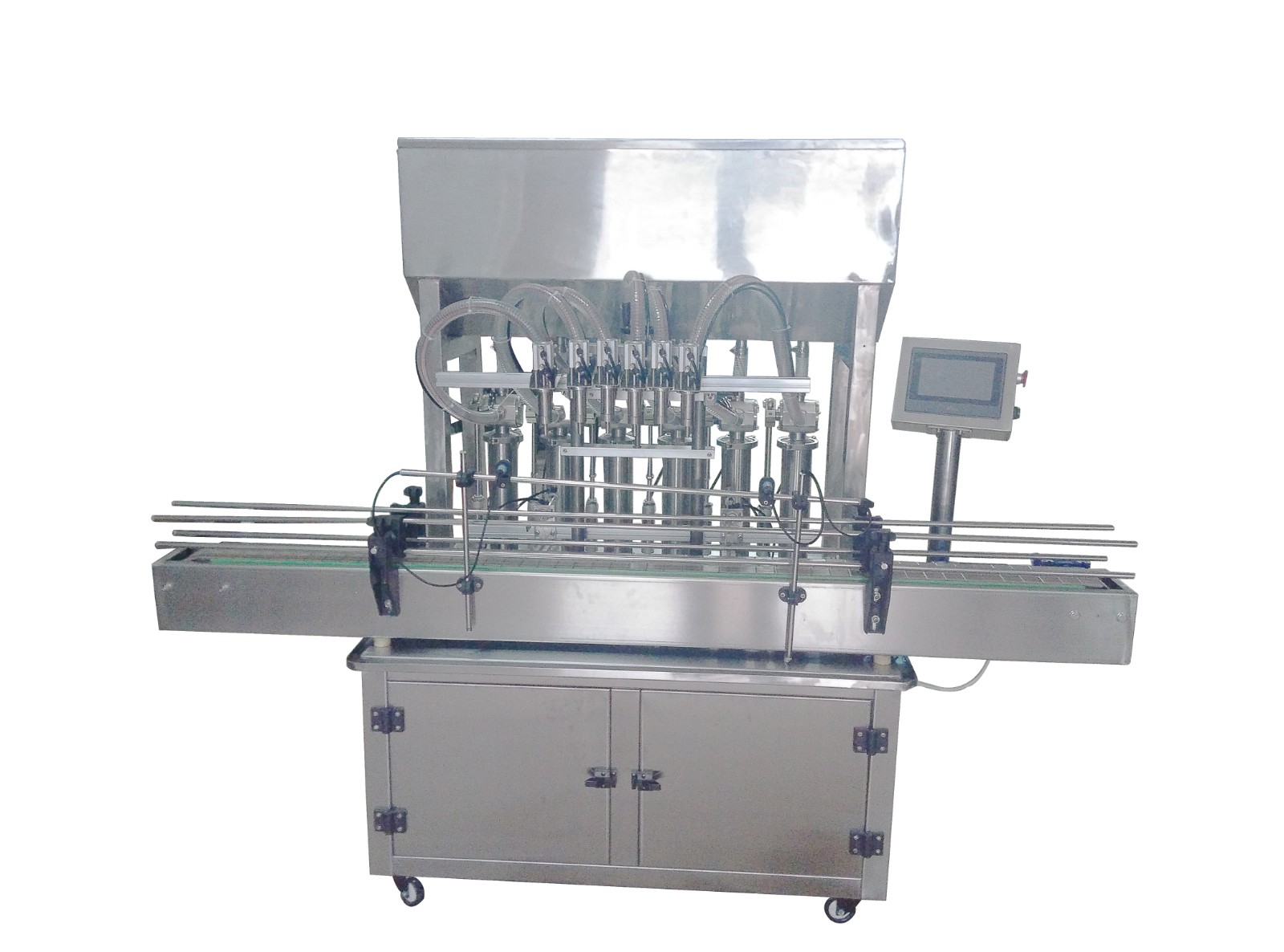
The physical properties of your liquid dictate the filling principle. Specifying the wrong pump or valve type leads to foaming, dripping, or inconsistent fill levels.
| Filling Principle | Best Suited For | Key Advantage |
|---|---|---|
| Gravity / Overflow | Water, clear juices, spirits | Cost-effective, consistent visual fill level |
| Piston | Sauces, pastes, oils, syrups | High volumetric accuracy for viscous liquids |
| Isobaric (Counter-Pressure) | Carbonated drinks, beer, sparkling water | Prevents foaming and CO2 loss under pressure |
| Flow Meter (Mass/Magnetic) | Dairy, high-value liquids | Exceptional precision, easy to clean (no moving parts) |
Beyond the filling principle, buyers must specify the exact grade of stainless steel. Food-contact parts must be constructed from SUS304 or, for highly acidic liquids (like citrus juices or vinegar), SUS316L to prevent corrosion.
Need to verify a manufacturer's technical capabilities? Let us help you vet machinery suppliers and secure accurate engineering specs.
Talk to our teamManufacturing Quality and Component Integrity
In liquid packaging machinery, reliability is heavily dependent on the quality of the pneumatic components, sensors, and PLCs (Programmable Logic Controllers). Many manufacturers offer tiered pricing based on component origin. Opting for internationally recognized brands (e.g., Siemens, Festo, SMC, Mitsubishi) for critical moving parts significantly reduces maintenance headaches, even if it increases the initial capital expenditure.
Critical Inspection Points for Filling Machinery
- Sanitary Welds: Ensure all internal welds on pipes and holding tanks are polished smooth to prevent bacterial buildup.
- CIP Compatibility: Verify the inclusion of dummy cups and spray balls for automated Clean-in-Place processes.
- Component Authenticity: Check that branded PLCs and servo motors are genuine, as counterfeit electronics are a known issue.
- Change Parts: Confirm that star wheels and guides are precision-machined for smooth transitions between different bottle sizes.
Because machinery cannot be easily returned once exported, executing a rigorous Factory Acceptance Test (FAT) is mandatory. Integrating professional quality control and inspection during the FAT phase ensures the machine runs at the contracted speed with your actual bottles and liquid before you authorize the balance payment.
Sourcing Mechanics: Pricing, Lead Times, and Logistics
Industrial filling equipment is typically custom-built or heavily modified to order. As a result, the Minimum Order Quantity (MOQ) is almost always 1 set or complete line.
Pricing is driven by the level of automation (semi-automatic inline vs. fully automatic rotary monoblock), the number of filling heads, and the specified production speed (Bottles Per Hour - BPH). Because machinery purchases require significant upfront deposits, conducting comprehensive factory audits is critical to confirm the supplier has actual engineering and machining capabilities, rather than being a trading company outsourcing the build.
Once completed, complete filling lines are heavy, oversized, and sensitive to moisture. Proper export crating (vacuum packing with desiccants inside wooden cases) and specialized shipping and freight arrangements—often requiring flat racks or open-top containers for large rotary blocks—are essential to ensure the equipment arrives undamaged.
Planning a capital equipment purchase? We manage supplier vetting, FAT inspections, and heavy freight forwarding.
Get a free consultationFrequently Asked Questions
Investing in beverage filling equipment is a major capital commitment where the cost of poor quality is measured in daily production downtime. Success requires strict technical specification, rigorous component verification, and on-site testing before the machinery ever leaves the factory floor.
Get Sourcing Help for Filling Equipments for Beverages and Liquid Food
Tell us your requirements and our experts will connect you with verified manufacturers.