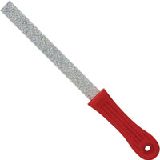
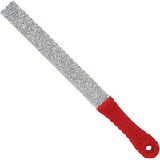
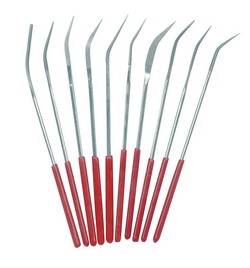
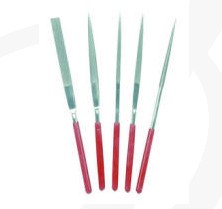
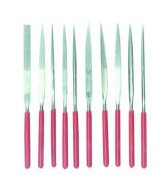
Files & Rasps
Source high-quality files and rasps directly from vetted manufacturers and suppliers. Designed for importers, tool distributors, and hardware brands seeking bulk wholesale or custom OEM/private-label production, our network delivers precision-cut hand tools built for demanding professional wood and metalworking applications.
Procuring files and rasps in commercial volumes requires strict attention to metallurgy and heat treatment. Unlike standard hand tools where minor alloy variations might go unnoticed, a file's performance relies entirely on its tooth hardness exceeding that of the workpiece, combined with a core resilient enough to prevent snapping under pressure. Sourcing reliable production means identifying factories that maintain absolute control over their milling and quenching processes.
Metallurgy and Hardness Specifications
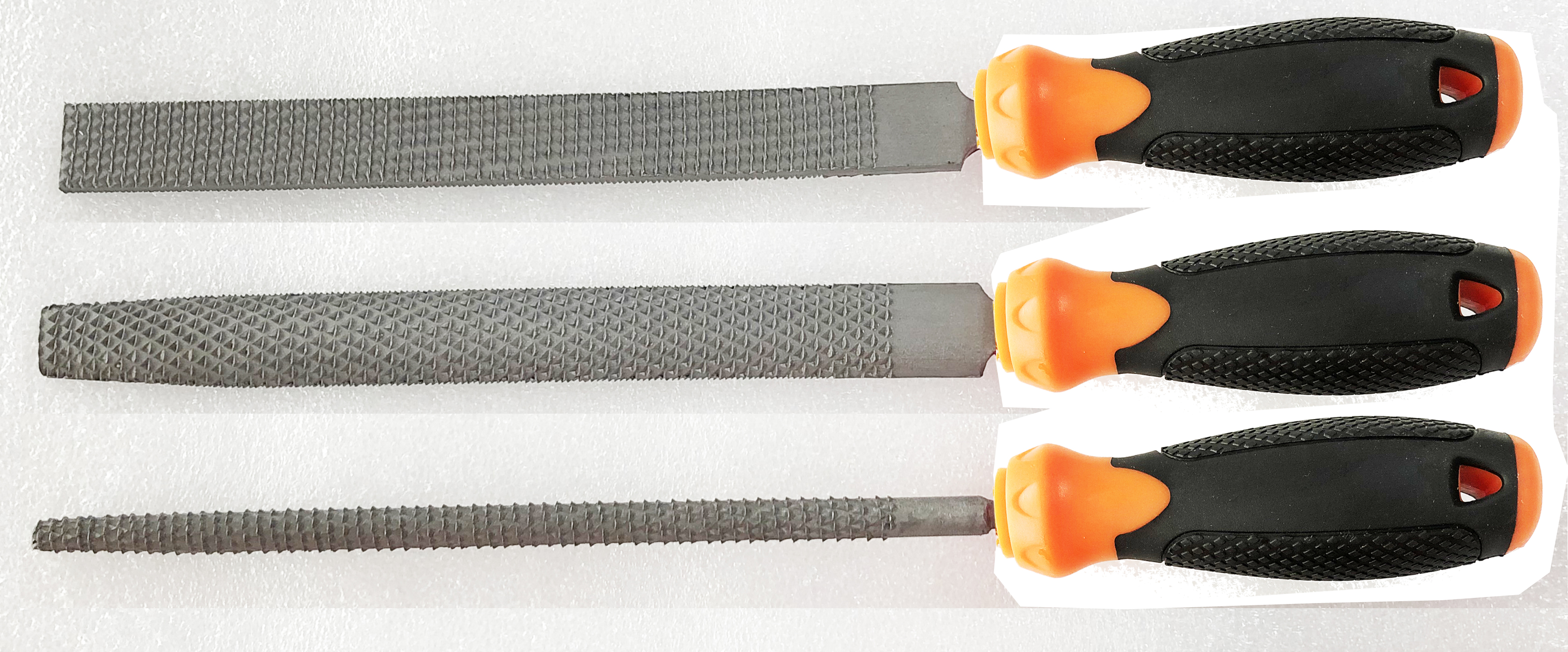
The base material defines the tool's cutting ability and lifespan. Professional-grade metal files require high-carbon steel, typically T12 or T13, to achieve the necessary surface hardness. Woodworking rasps, which cut softer materials, often utilize medium-carbon steels like 45# or 65# steel, prioritizing toughness over extreme hardness.
| Tool Type | Typical Material Grade | Target Hardness (HRC) |
|---|---|---|
| Machinist / Metal Files | T12 / T13 High-Carbon Steel | 62 to 65 |
| Woodworking Rasps | 45# to 65# Carbon Steel | 45 to 55 |
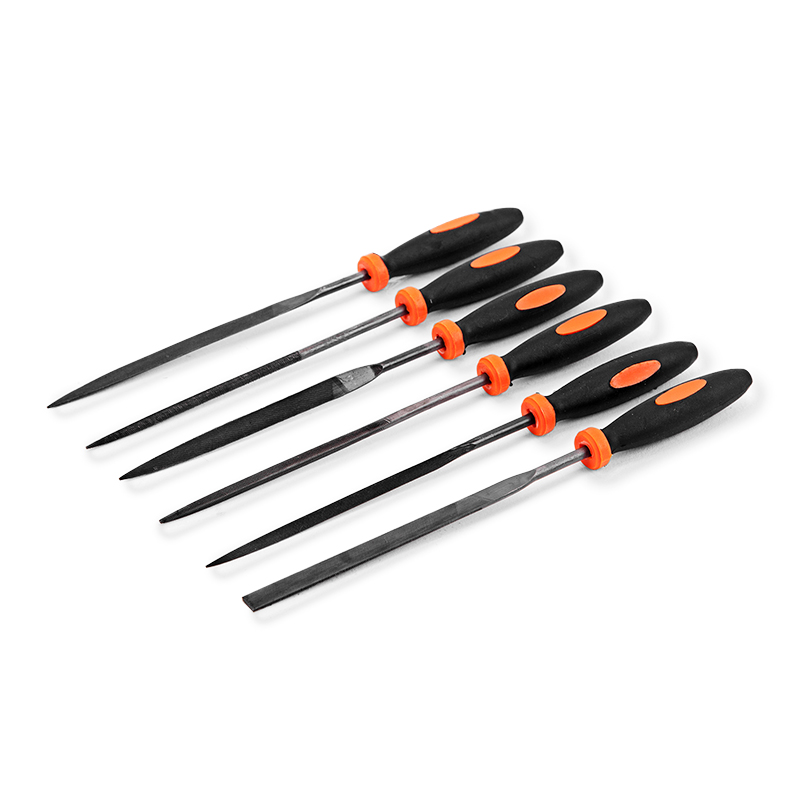
| Needle / Precision Files | Bearing Steel (GCr15) | 60 to 63 |
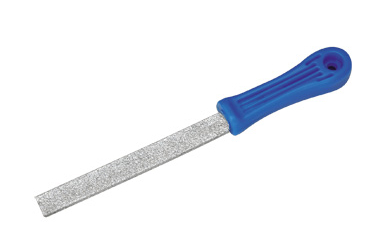
| Diamond Files | Electroplated Diamond Grit | N/A (Grit dependent) |
When evaluating a new supplier, it is critical to verify their raw material certificates. Subpar steel will either fail to reach the required HRC during heat treatment or become overly brittle.
Manufacturing Process and Defect Control
The production of a file involves several critical stages where quality can easily be compromised. Understanding these steps helps in establishing rigorous quality control inspections before shipment.
Blanking and Forging
Steel wire or bar stock is cut and forged into the basic file shape, including the tang. Inconsistent forging temperatures can create internal micro-fractures.
Annealing
The steel is softened to allow for tooth cutting. Poor annealing leads to uneven tooth depth in the next stage.
Tooth Cutting / Milling
Chisels strike the blank to raise the teeth. The angle, depth, and spacing (cut type: bastard, second cut, smooth) must be uniform. Dull chisels on the factory floor result in flat-topped file teeth.
Heat Treatment (Hardening)
The file is heated and quenched. This is the highest-risk phase. Improper quenching causes warping, extreme brittleness, or soft spots.
Sandblasting and Rust Prevention
Files are cleaned and coated with rust-preventative oil. High-carbon steel is highly susceptible to oxidation during ocean freight if not properly treated.
Struggling with inconsistent hardness or brittle tools from your current supplier? Let us connect you with pre-vetted hand tool manufacturers with proven heat-treatment controls.
Talk to our teamCustomization and Private Labeling
For brands looking to build out their hand tool lines, OEM/ODM services offer extensive customization.
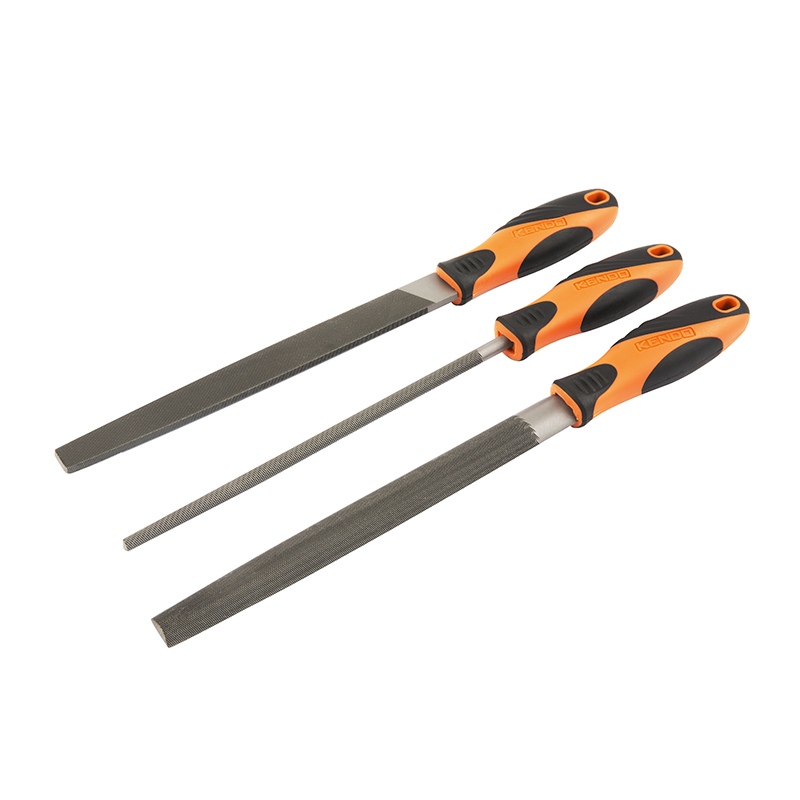
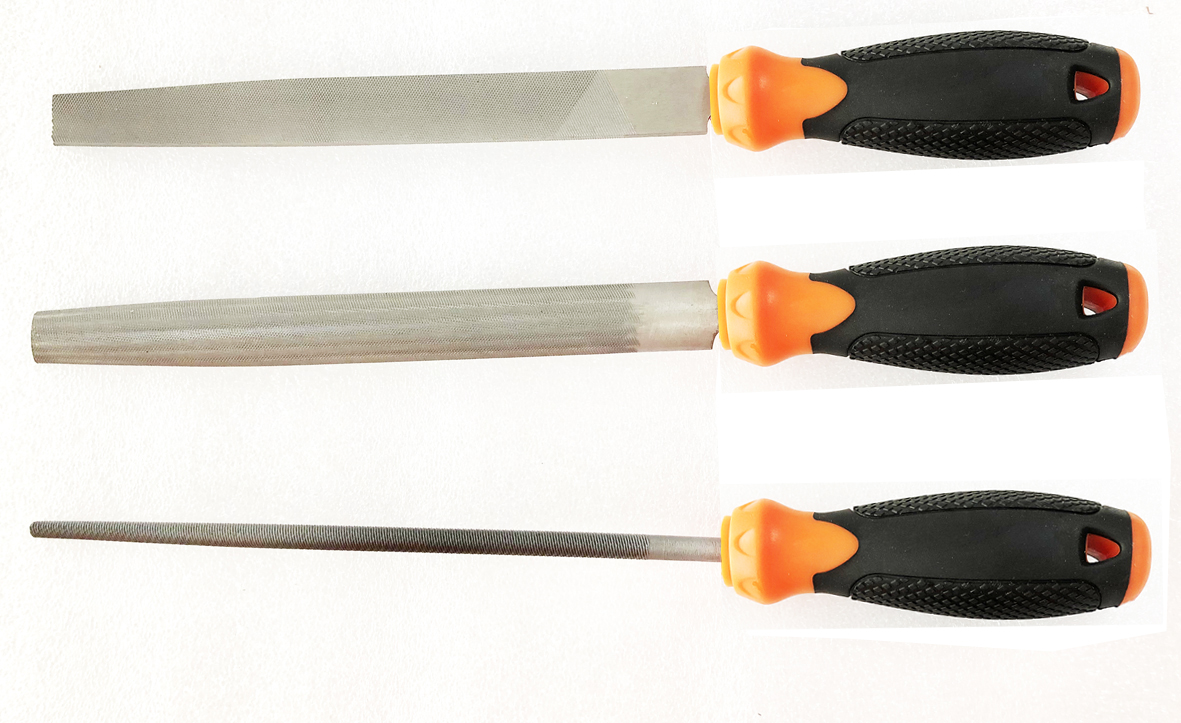
- Handle Materials: While traditional wood handles remain popular for rasps, bi-material TPR/PP (Thermoplastic Rubber / Polypropylene) handles dominate the professional file market due to better ergonomics and grip.
- Handle Pull-Off Force: A common point of failure is the tang detaching from the handle. Professional specifications usually require a pull-off force exceeding 800 Newtons.
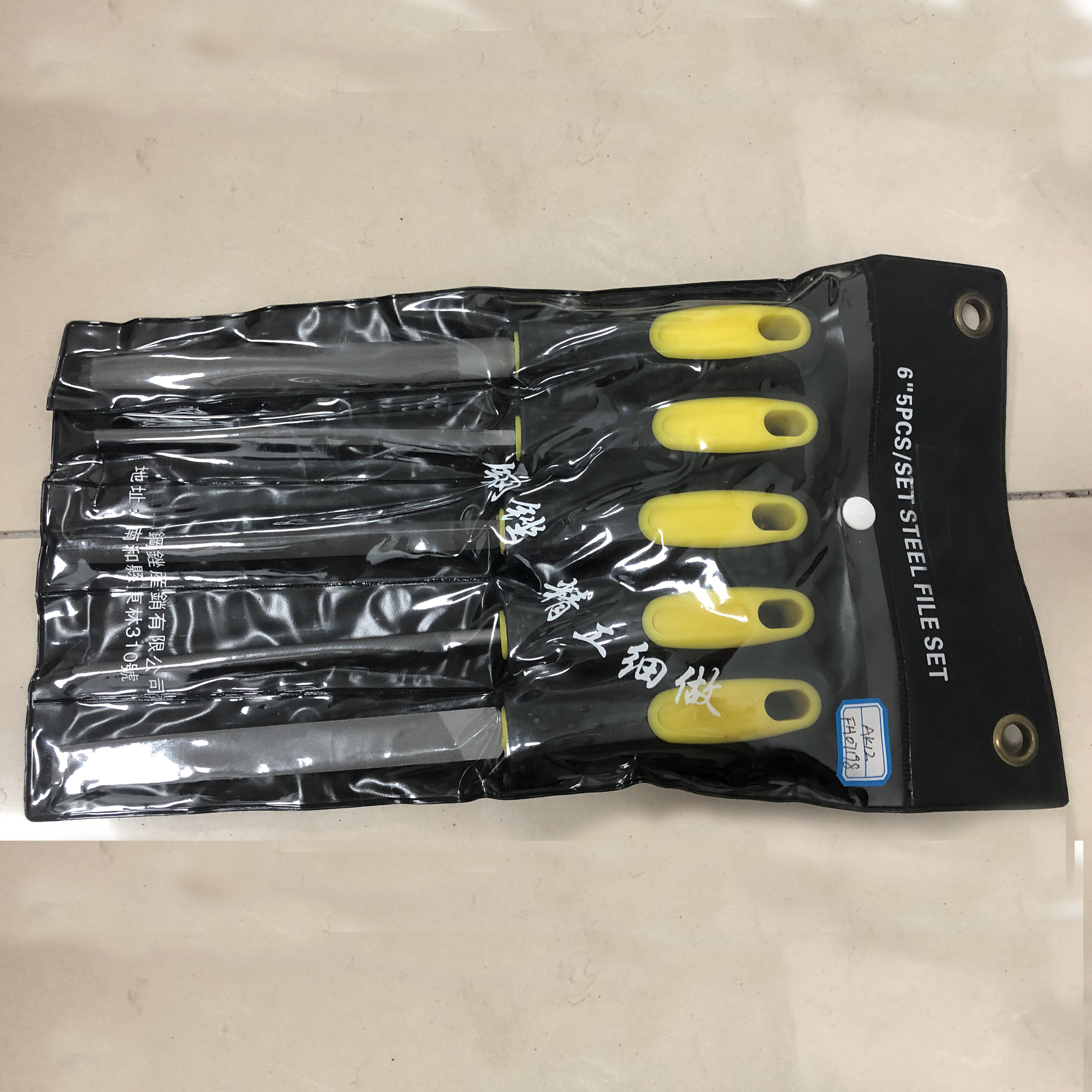
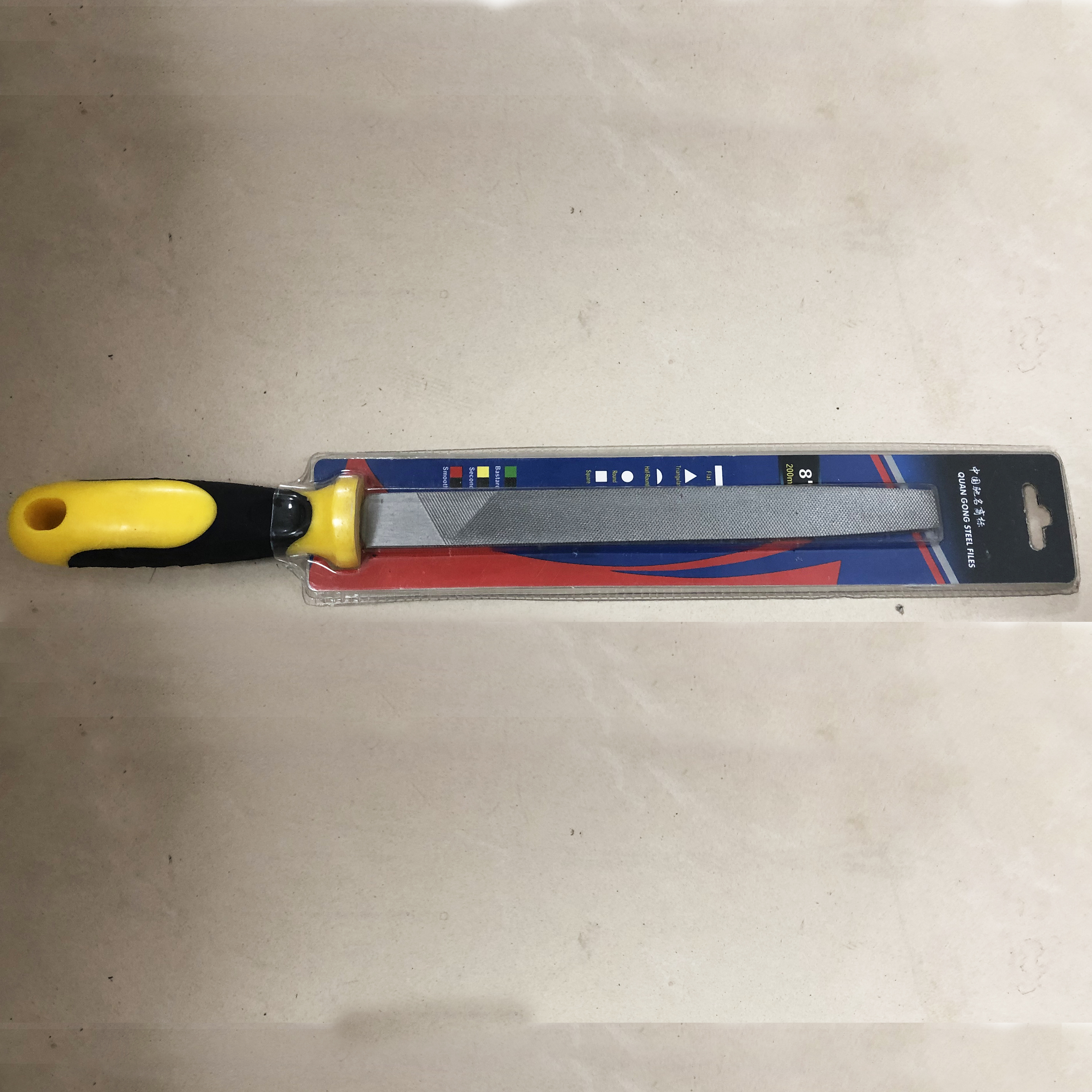
- Branding: Factory-level customization includes laser etching on the file blade (near the tang), custom colorways for TPR handles, and branded blister cards or canvas tool rolls for multi-piece sets.
Before committing to custom molds for bespoke handle designs, conducting thorough on-site factory audits ensures the supplier has the actual injection molding capabilities in-house, rather than outsourcing to unverified third parties.
Typical MOQs, Lead Times, and Pricing Drivers
Pricing in this category is heavily dependent on the steel grade, the complexity of the tooth cut, and the handle type. Bare files (without handles) are significantly cheaper and pack denser for shipping, but require the end-user to supply their own handles.
Packaging Impact on Freight
Multi-piece file sets packaged in double-blister plastic or large blow-molded cases significantly increase volumetric weight. Consider canvas roll-up pouches or EVA foam trays in standard color boxes to optimize container space.
Need accurate pricing for your custom file and rasp sets? We manage the entire sourcing, negotiation, and quality assurance process.
Get a free consultationFrequently Asked Questions
Securing a reliable supply chain for files and rasps means looking past the surface finish and focusing on the factory's raw material sourcing and heat treatment stability. Partnering with experienced sourcing professionals ensures your tools perform exactly as your end-users expect, batch after batch.
Get Sourcing Help for Files & Rasps
Tell us your requirements and our experts will connect you with verified manufacturers.