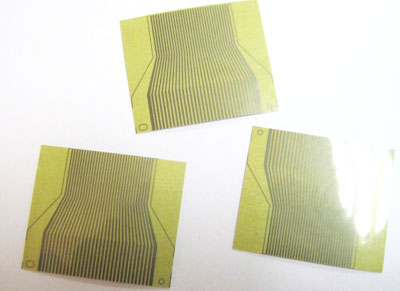
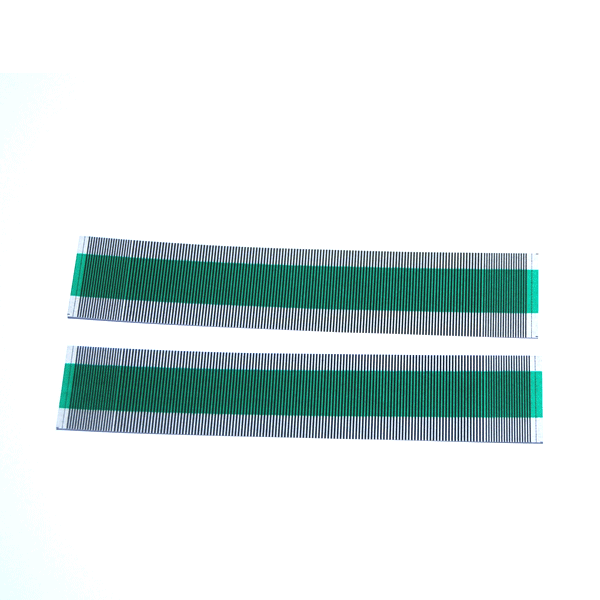
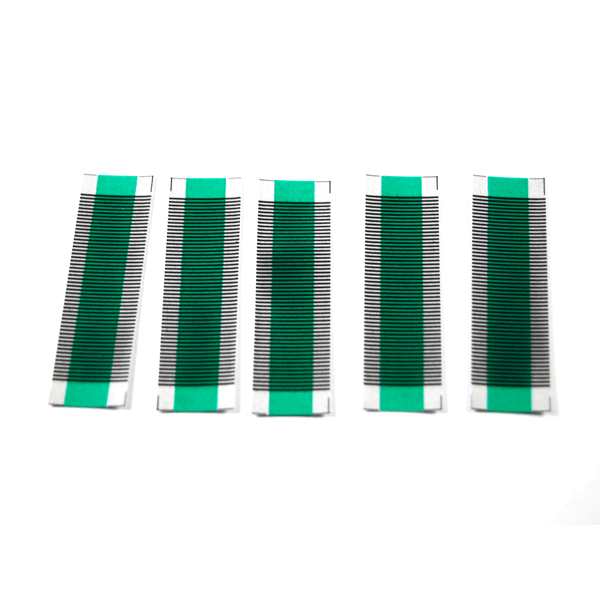
FFC/FPC Connectors
Source high-quality FFC/FPC connectors in bulk from vetted manufacturers and reliable suppliers. Designed for importers, electronics distributors, and OEM brands, our wholesale catalog features precision-engineered flexible circuit connectors for high-density, high-reliability applications.
Sourcing FFC (Flexible Flat Cable) and FPC (Flexible Printed Circuit) connectors at scale requires balancing extreme miniaturization with mechanical reliability. As consumer electronics, automotive displays, and industrial controls demand tighter pitches and higher pin counts, the margin for error in connector housing tolerances and contact plating shrinks. Securing a reliable supply chain means identifying factories with superior stamping precision, high-grade molding materials, and rigorous testing protocols.
Defining Your FFC/FPC Connector Specifications
The primary cost and performance drivers for these connectors are pitch size, locking mechanism, and mounting orientation. Specifying the correct configuration upfront is critical to avoiding assembly issues and ensuring long-term connection stability.
- Pitch Size: Standard pitches range from 1.25mm down to ultra-fine 0.3mm or 0.2mm. Tighter pitches require significantly higher precision in contact stamping and housing molding, directly impacting the unit cost.
- Mounting Orientation: Right-angle (horizontal) and straight (vertical) orientations dictate how the flexible cable approaches the PCB. Surface Mount Technology (SMT) is standard for modern applications, though Through-Hole Technology (THT) is still used for larger pitch, high-vibration environments.
- Contact Position: Top contact, bottom contact, or dual contact designs must match the exposed conductors on your specific FFC/FPC cable.
| Locking Mechanism | Characteristics | Best For |
|---|---|---|
| ZIF (Zero Insertion Force) | Uses an actuator (slider or flip-lock) to secure the cable. Higher retention force. | High-vibration environments, frequent mating cycles, fine pitch. |
| Non-ZIF (Low Insertion Force) | Friction-fit only. Lower cost, simpler assembly, lower retention force. | Static applications, cost-sensitive electronics, larger pitch sizes. |
Need help verifying supplier tooling capabilities for ultra-fine pitch connectors?
Talk to our teamManufacturing Tolerances and Quality Control
The reliability of an FFC/FPC connector is determined long before it reaches your assembly line. Poor quality control during the stamping of phosphor bronze contacts or the injection molding of the plastic housing leads to high failure rates during PCB reflow soldering or field use.
When evaluating a manufacturer, their choice of housing material is a critical indicator of quality. Standard nylon may warp during high-temperature SMT reflow, causing the connector pins to lift from the PCB pad. High-temperature plastics like LCP (Liquid Crystal Polymer) or PA9T are mandatory for maintaining structural integrity during automated assembly.
To mitigate risks, professional buyers rely on strict quality control & inspection protocols.
Critical Inspection Points for FPC Connectors
- SMT Coplanarity: Pin tails must be completely flat (variance under 0.1mm) to prevent soldering defects.
- Actuator Retention: Flip-locks must withstand specified mating cycles without cracking or losing clamping force.
- Plating Thickness: Verify gold or tin plating thickness meets specifications to prevent oxidation and ensure low contact resistance.
- Housing Warpage: Inspect LCP/PA9T housings post-reflow simulation to ensure zero deformation.
Executing comprehensive factory audits before placing bulk orders ensures the supplier has the automated optical inspection (AOI) equipment necessary to catch coplanarity and stamping defects inline, rather than shipping defective batches.
Sourcing Realities: Pricing, MOQs, and Lead Times
Because FFC/FPC connectors are highly automated, mass-produced components, economies of scale heavily dictate pricing. Most tier-one manufacturers package these components on tape-and-reel for automated pick-and-place machines, which sets natural minimum order boundaries.
Prices fluctuate based on the spot price of copper alloys and the chosen plating material (gold flash vs. matte tin). If you require custom modifications for proprietary hardware, ensure the factory has in-house tooling capabilities to keep mold costs and lead times manageable.
Compare baseline pricing, tooling costs, and lead times from vetted connector manufacturers.
Get a free consultationFrequently Asked Questions
Sourcing reliable FFC/FPC connectors means looking past the spec sheet and verifying the manufacturer's stamping, molding, and inline testing capabilities. Partnering with an experienced team for product sourcing ensures you bypass trading companies and connect directly with factories capable of delivering consistent, high-yield components for your production lines.
Get Sourcing Help for FFC/FPC Connectors
Tell us your requirements and our experts will connect you with verified manufacturers.