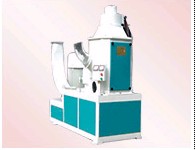
Feed Processing Machines
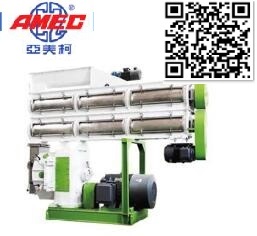
Source commercial-grade Feed Processing Machines from vetted suppliers and manufacturers. Designed for importers, wholesalers, and agricultural equipment distributors, our network provides reliable bulk purchasing and OEM production options for high-capacity feed mills, pelletizers, and mixing machinery.
Sourcing commercial feed processing machinery requires navigating a complex landscape of manufacturers, ranging from small workshops producing light-duty agricultural tools to advanced engineering firms building continuous-duty industrial lines. For importers and distributors, the core challenge is verifying that a factory's capacity claims align with the machine's actual mechanical endurance, motor quality, and machining precision.
Critical Specifications for Commercial Buyers
When evaluating a manufacturer's catalog, look past the stated "Tons Per Hour" (TPH) and examine the mechanical foundation of the equipment. High-capacity feed production places immense stress on moving parts, making material selection and component sourcing critical to the machine's lifecycle.
Core Component Quality
- Motors and Gearboxes: The reliability of a pellet mill or hammer mill hinges on its drive system. Top-tier Chinese manufacturers will offer options for internationally recognized motors (e.g., Siemens, ABB) or premium domestic equivalents (e.g., Wannan). Gearbox housings should be cast iron with precision-machined gears to minimize vibration.
- Bearings: High-speed rotation requires premium bearings. Specify SKF, NSK, or FAG bearings for the main shaft and roller assemblies to prevent premature failure under heavy radial loads.
- Die and Roller Materials: The ring die and pressure rollers are the highest-wear components. They should be forged from high-carbon alloy steel (like 20CrMnTi) or stainless steel (like 4Cr13), followed by vacuum heat treatment to achieve a hardness of HRC 58 to 62.
| Die Type | Typical Application | Capacity Range | Maintenance Profile |
|---|---|---|---|
| Ring Die Pellet Mill | Commercial feed mills, high-volume production | 1 to 20+ TPH | Higher upfront cost, longer lifespan, lower wear cost per ton |
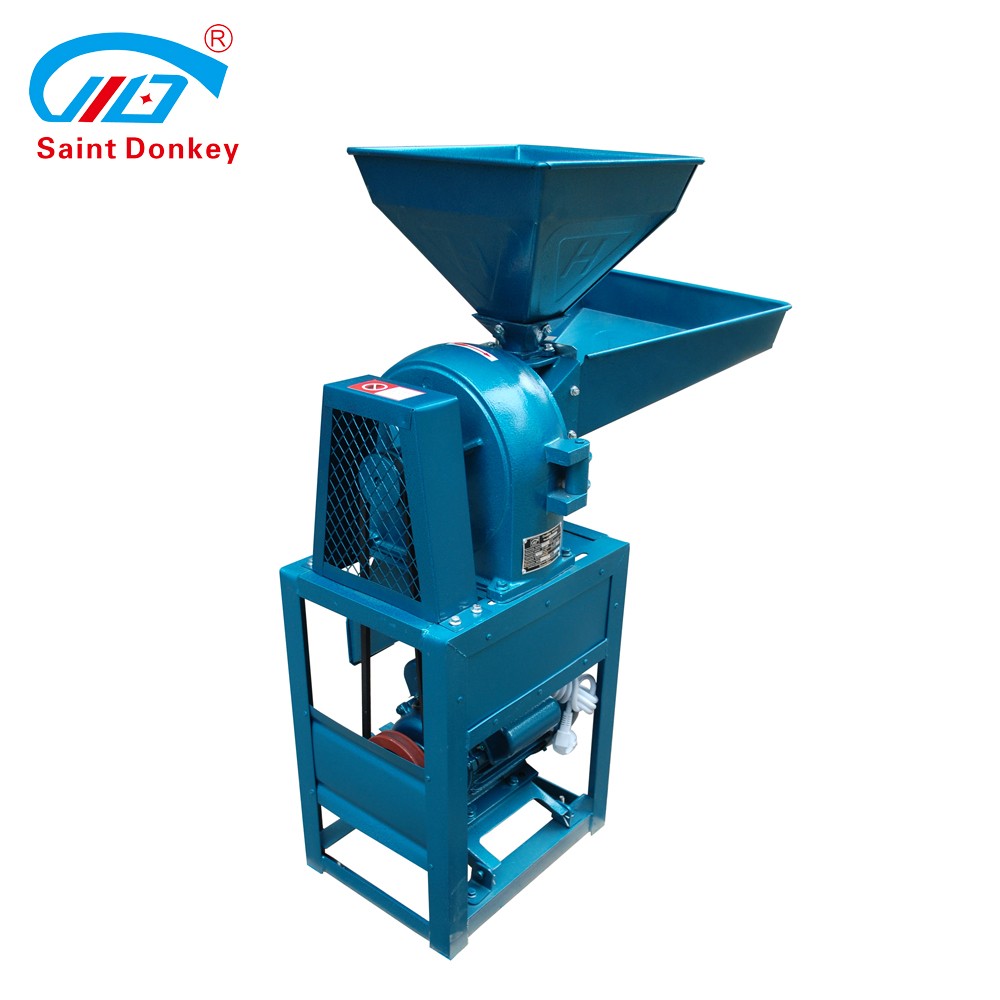
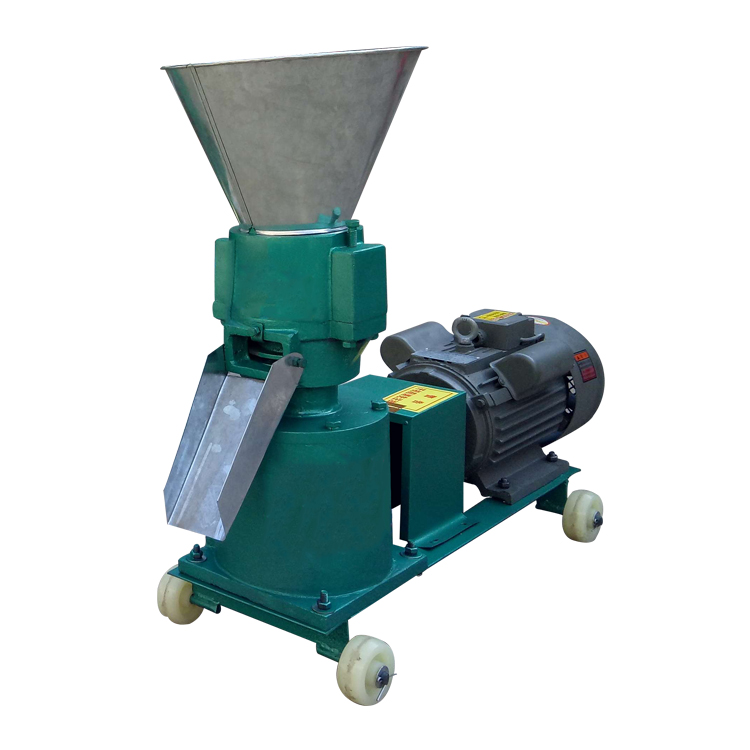
| Flat Die Pellet Mill | Small farms, specialized low-volume batches | Under 1 TPH | Lower upfront cost, frequent roller/die replacement required |
Struggling to verify if a factory uses genuine premium components? Let us help you audit their supply chain and manufacturing floor.
Talk to our teamManufacturing Realities on the Factory Floor
The difference between a machine that runs smoothly for a decade and one that tears itself apart in six months often comes down to the factory's machining and assembly tolerances.
When conducting Factory Audits, pay close attention to the manufacturer's CNC machining capabilities. The die holes must be drilled with high-precision multi-axis gun drills to ensure a smooth inner wall; rough die holes will cause extreme friction, blocking the machine and burning the feed.
Additionally, dynamic balancing is non-negotiable for hammer mill rotors and pellet mill main shafts. An unbalanced rotor operating at 2,900 RPM will destroy its bearings in a matter of weeks and pose a severe safety hazard.
Pre-Shipment Quality Control
Because these machines are heavy and expensive to ship, rectifying defects post-delivery is financially crippling. Implementing rigorous Quality Control & Inspection prior to container loading is essential.
Critical Inspection Points for Feed Machinery
- No-load test run (minimum 30 minutes) to monitor bearing temperature and vibration levels.
- Verification of motor nameplates and bearing brands against the purchase contract.
- Measurement of ring die hole diameter and compression ratio to ensure it matches the specified feed formula.
- Inspection of control panels (PLC) for correct wiring, English labeling, and CE/UL compliance if required.
- Verification of anti-rust packaging and secure moisture-barrier wrapping for ocean freight.
Pricing, MOQs, and Lead Times
Feed processing equipment is capital-intensive. While small flat-die machines might be purchased in larger volumes, commercial-grade ring die mills, extruders, and twin-shaft mixers are typically sourced in smaller quantities or as complete turnkey production lines.
Pricing is heavily influenced by the raw material costs (steel), the origin of the electrical components, and the level of automation required in the control system. Be wary of quotes that fall significantly below the market average; this usually indicates the use of refurbished motors, inferior steel alloys, or a lack of dynamic balancing during assembly.
Because of the sheer size and weight of these machines, freight costs make up a significant portion of the landed cost. Coordination with a specialized Shipping & Freight partner is vital to ensure proper securing within the container (e.g., flat racks for oversized silos or heavy-duty lashing for multi-ton pelletizers).
Planning a bulk order or a complete feed line project? We can help negotiate pricing, oversee production, and manage the heavy freight logistics.
Get a free consultationFrequently Asked Questions
Sourcing feed processing machines successfully requires moving beyond glossy brochures to evaluate the raw engineering capability of the factory. By insisting on premium components, verifying machining tolerances, and executing strict pre-shipment testing, importers can secure high-performance equipment that delivers a highly competitive total cost of ownership.
Get Sourcing Help for Feed Processing Machines
Tell us your requirements and our experts will connect you with verified manufacturers.