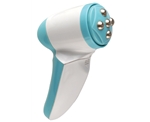
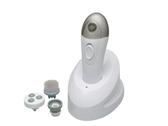
Face Cleaning Brushes
Source premium Face Cleaning Brushes from vetted manufacturers and wholesale suppliers across Asia. Engineered for importers, distributors, and beauty brands seeking reliable OEM/private-label production, our factory-direct selection ensures high-performance skincare tools built to your exact specifications.
Sourcing face cleaning brushes at scale requires balancing unit cost with critical functional reliability. A high return rate caused by water ingress, motor burnout, or battery failure can instantly wipe out margin for brands and distributors. Success in this category depends on specifying the right motor architecture, validating waterproof seals on the factory floor, and ensuring skin-safe materials are actually used in mass production.
Defining Core Specifications and Motor Architecture
For electric cleansing brushes, the internal architecture dictates both performance and lifespan. Buyers must clearly specify motor type, vibration frequency (measured in vibrations per minute or VPM), and battery chemistry on their purchase orders.
| Architecture | Action | Cost Profile | Primary Market |
|---|---|---|---|
| Rotary | Spinning brush head | Lower | Entry-level / Deep exfoliation |
| Sonic / Acoustic | High-frequency oscillation (up to 10,000 VPM) | Moderate to High | Premium / Gentle daily cleansing |
When evaluating sonic brushes, ensure the supplier specifies the motor's eccentric wheel weight and RPM. Cheaper motors use lighter weights and lower RPMs, resulting in a weak "buzz" rather than a deep acoustic pulse. Furthermore, specify lithium-ion batteries (typically 300mAh to 500mAh) with overcharge protection circuits, rather than older NiMH cells that degrade quickly.
Material Selection and Tooling
Whether you are sourcing nylon-bristle rotary brushes or full-silicone sonic devices, material grade is paramount. In the premium segment, silicone dominates. However, "food-grade" is often claimed but rarely verified.
If you are utilizing OEM/ODM Services to develop a custom device, specify liquid silicone rubber (LSR) rather than solid silicone. LSR injection molding provides a softer touch, finer bristle details, and superior resistance to bacterial buildup.
Need help auditing a factory's injection molding capabilities and assembly lines?
Get a free consultationCritical QC Checks for Face Brushes
- Silicone flash removal: Ensure no sharp edges remain from the injection molding process.
- Bristle pull-test: Verify nylon bristles on rotary heads withstand standard tension without shedding.
- PCBA conformal coating: Check that the internal circuit board is coated to resist ambient moisture.
- Button tactile feedback: Ensure the silicone over-mold does not restrict the microswitch travel.
Waterproofing and Compliance Standards
Water ingress is the leading cause of RMA (Return Merchandise Authorization) in the beauty equipment category. A true IPX7 rating (submersible in up to 1 meter of water for 30 minutes) requires ultrasonic welding of the inner plastic chassis or precision O-ring seals—not just glue.
During Quality Control & Inspection, your inspectors must pull samples from the line and perform physical vacuum-leak or submersion tests. Relying solely on the factory's golden sample is a major risk. Additionally, ensure the device passes CE, RoHS, and FCC standards, particularly concerning electromagnetic interference (EMI) from the motor. Professional Compliance & Testing partners can validate these claims before shipment.
Typical MOQs, Lead Times, and Pricing Drivers
Pricing in this category is highly elastic, driven primarily by battery capacity, motor quality, and the complexity of the silicone mold.
Custom tooling for a new silicone brush body typically requires an upfront mold fee and adds 20 to 30 days to the initial development timeline. To keep costs down on your first run, consider choosing an off-the-shelf mold and differentiating through custom Pantone color matching and premium packaging.
Looking to negotiate better terms or manage a complex tooling project with a reliable supplier?
Talk to our teamFrequently Asked Questions
Sourcing reliable face cleaning brushes means looking past the cosmetic exterior and rigorously auditing the internal seals, motor components, and battery chemistry. By specifying exact engineering tolerances and enforcing strict pre-shipment inspections, buyers can secure high-margin products that build brand trust.
Get Sourcing Help for Face Cleaning Brushes
Tell us your requirements and our experts will connect you with verified manufacturers.