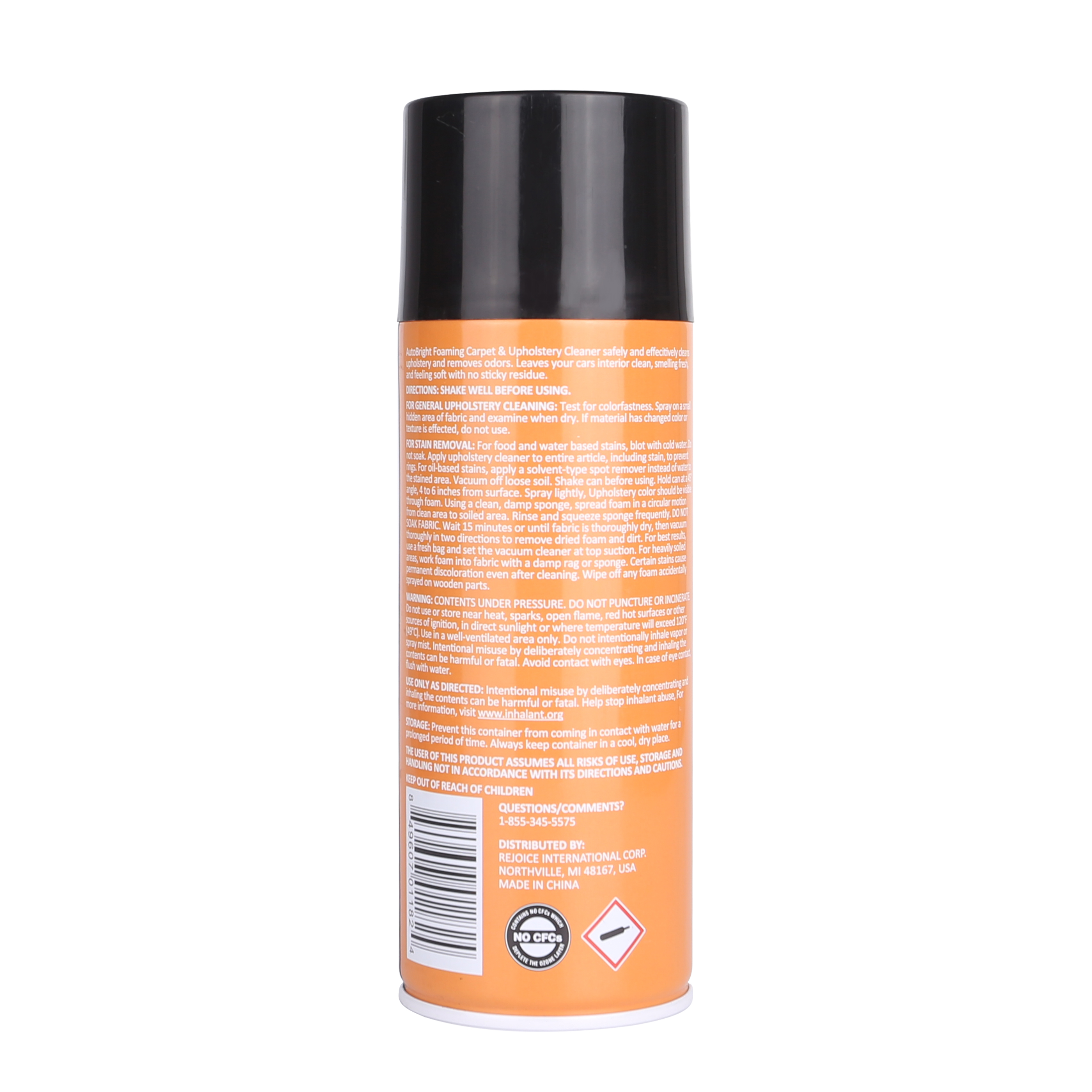
Fabric Cleaners
Source bulk Fabric Cleaners from vetted suppliers and manufacturers across Asia. Designed for importers, wholesalers, distributors, and brands seeking reliable OEM and private-label production, our network delivers high-performance formulations tailored for commercial and household textile care.
Sourcing fabric cleaners at scale requires a precise balance between cleaning efficacy, textile preservation, and strict chemical compliance. Whether you are developing a proprietary enzymatic formula or purchasing standard bulk detergents, the factory's blending capabilities, raw material sourcing, and quality control systems dictate the final product's performance and shelf stability.
Key Formulation Specifications
When negotiating with chemical manufacturers, the "active matter" percentage is the primary driver of both cleaning performance and cost. This refers to the concentration of active surfactants in the formula. Standard household cleaners typically range from 10 percent to 15 percent active matter, while commercial or concentrated formulas often exceed 25 percent.
Beyond surfactants, the inclusion of specific builders (like zeolites or citrates to soften water), optical brighteners, and enzymes (protease, amylase, lipase) must be specified based on your target market.
| Specification | Standard Synthetic Formula | Advanced Enzymatic Formula |
|---|---|---|
| Active Surfactants | 10% to 15% | 15% to 25% |
| pH Range | 9.0 to 10.5 (Alkaline) | 7.0 to 8.5 (Neutral) |
| Target Stains | General dirt, synthetic oils | Proteins, starches, organic fats |
| Temperature Efficacy | Warm to hot water | Cold water optimized |
If you are developing a custom product line, utilizing OEM/ODM Services ensures your specific active matter, fragrance profile, and dye choices are accurately translated into a stable, production-ready formula.
Need a manufacturer capable of producing stable, custom enzymatic formulations?
Talk to our teamManufacturing Quality & Packaging Integrity
The most common defects in liquid fabric cleaners are phase separation (where the liquid splits into distinct layers) and pH drift over time. These issues usually stem from improper blending temperatures, inadequate homogenizers on the factory floor, or poor raw material quality.
Furthermore, the chemical formulation must be perfectly compatible with its primary packaging. Highly alkaline or solvent-heavy cleaners can cause PET or HDPE bottles to panel (collapse inward) or leak if the plastic resin or wall thickness is inadequate. Rigorous Quality Control & Inspection is non-negotiable before the product leaves the facility.
Critical QC Checks for Fabric Cleaners
- Viscosity and phase stability testing across temperature extremes.
- pH drift monitoring over a 30-day accelerated aging period.
- Vacuum leak testing for primary packaging and pump/trigger dispensers.
- Compatibility testing between the formula and PET/HDPE bottle resins to prevent paneling.
Compliance is another major hurdle. Depending on your destination market, fabric cleaners must adhere to strict regulations regarding volatile organic compounds (VOCs), biodegradability, and restricted substances (such as certain phosphates or nonylphenol ethoxylates). Working with a partner who understands Compliance & Testing helps prevent costly customs rejections or recalls.
MOQs, Pricing Drivers, and Lead Times
Pricing in the chemical manufacturing sector is highly sensitive to raw material commodity prices (specifically petroleum derivatives and palm oil for surfactants). Packaging also constitutes a significant portion of the final unit cost—often up to 30 percent for standard retail bottles.
Factories generally require higher MOQs for custom bottle molds or specialized trigger sprayers compared to the liquid formula itself. If you are using off-the-shelf packaging, you can often negotiate lower initial production runs.
Optimize your supply chain and negotiate better terms with vetted chemical manufacturers.
Get a free consultationNavigating the chemical supply chain requires a deep understanding of formulations, raw material markets, and packaging compatibility. Securing a reliable manufacturing partner ensures your fabric cleaners perform consistently, remain stable on the shelf, and comply with all market regulations.
Get Sourcing Help for Fabric Cleaners
Tell us your requirements and our experts will connect you with verified manufacturers.