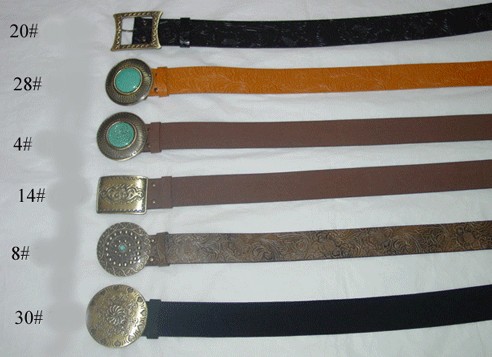
Fabric Belts
Source high-quality fabric belts in bulk directly from vetted manufacturers and suppliers. Designed for importers, wholesalers, distributors, and apparel brands seeking reliable OEM and private-label production. Secure competitive pricing and reliable quality for your woven, canvas, and elastic belt lines.
Procuring fabric belts at scale requires balancing material specifications, hardware durability, and strict chemical compliance. While the product seems straightforward, variations in yarn denier, weaving density, and buckle plating dictate whether a belt will hold up to daily wear or fail prematurely. Success in this category depends on clearly defining your technical requirements before production begins.
Material Specifications and Webbing Construction
The foundation of any fabric belt is the webbing. The choice of yarn directly impacts the belt's tensile strength, texture, and cost. When briefing a supplier, you must specify the exact material composition, width, and thickness (usually measured in millimeters) to ensure consistency across batches.
| Material | Durability | Cost | Typical Application |
|---|---|---|---|
| Polyester | High | Low | Tactical, outdoor, fast-fashion |
| Cotton Canvas | Medium | Medium | Casual wear, eco-conscious lines |
| Nylon | Very High | High | Heavy-duty, workwear, premium accessories |
| Elastic Blends | Variable | Medium | Braided belts, activewear |
Beyond the base material, the weaving technique determines the aesthetic and structural integrity. Jacquard weaves allow for intricate, woven-in logos and patterns, while standard plain or twill weaves offer a smooth surface ideal for screen printing or heat transfer.
Need help matching your design to the right factory capabilities? Let us connect you with vetted webbing and hardware specialists.
Talk to our teamManaging Hardware Quality and Chemical Compliance
A high-quality webbing is useless if the buckle fails or rusts. Hardware—typically stamped steel, zinc alloy, or brass—must be specified by weight, plating method, and finishing standard.
More importantly, fabric belts are heavily regulated in major markets. Hardware must meet strict limits for heavy metals, while the dyed webbing must be free of restricted substances. Partnering with a supplier who understands Compliance & Testing is non-negotiable for brands importing into the EU (REACH) or North America.
Critical Pre-Shipment Checks
- Colorfastness testing (rubbing, washing, and light exposure) to prevent dye transfer onto clothing.
- Salt spray testing for metal buckles to verify corrosion resistance.
- Tensile strength testing of both the webbing and the buckle attachment point.
- Verification of edge sealing (hot cut or folded) to prevent fraying.
- Chemical testing for azo dyes in fabrics and lead/nickel/cadmium in hardware.
To catch these issues before containers are loaded, implementing rigorous Quality Control & Inspection protocols at the factory level is highly recommended.
Customization and OEM Production
For brands developing custom collections, fabric belts offer extensive customization. When utilizing OEM/ODM Services, you can specify custom Pantone-matched dyeing, embossed logos on metal buckles, leather or PU end-tabs, and bespoke retail packaging.
Hardware Tooling Costs
If your design requires a custom buckle shape or a proprietary locking mechanism, expect to pay a tooling fee (mold charge). This is typically a one-time cost, often refunded once cumulative order volumes reach a specific threshold.
Typical MOQs, Pricing, and Lead Times
Fabric belts are high-volume, low-margin accessories for manufacturers. Minimum Order Quantities (MOQs) are heavily dictated by the dyeing process and hardware minimums. Standard colors and stock buckles can be sourced with lower MOQs, while custom-dyed webbing or molded buckles require larger commitments.
Trying to optimize your unit costs without sacrificing hardware quality? We can help negotiate terms and manage the production timeline.
Get a free consultationFrequently Asked Questions
Sourcing fabric belts successfully means looking past the simple aesthetics to evaluate a factory's yarn density, hardware plating standards, and chemical compliance. By clearly defining these parameters upfront, you build a supply chain capable of delivering consistent, retail-ready accessories order after order.
Get Sourcing Help for Fabric Belts
Tell us your requirements and our experts will connect you with verified manufacturers.