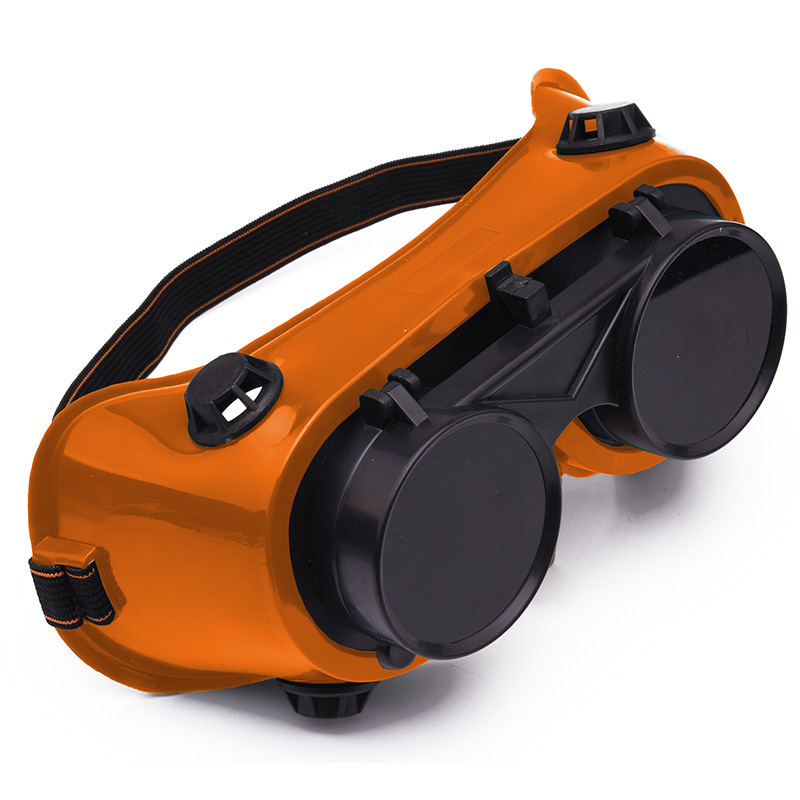
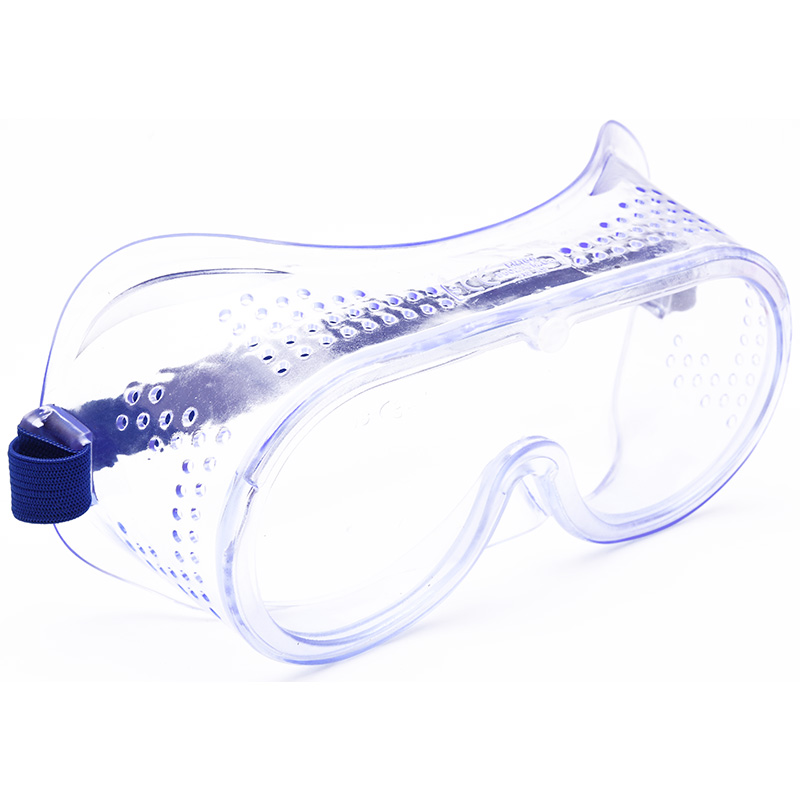
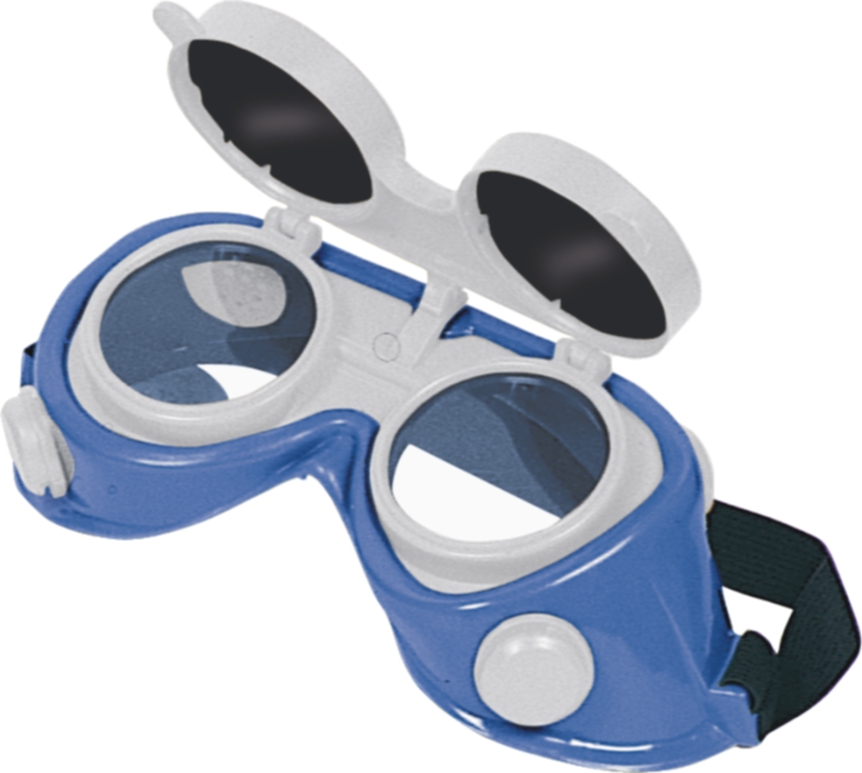
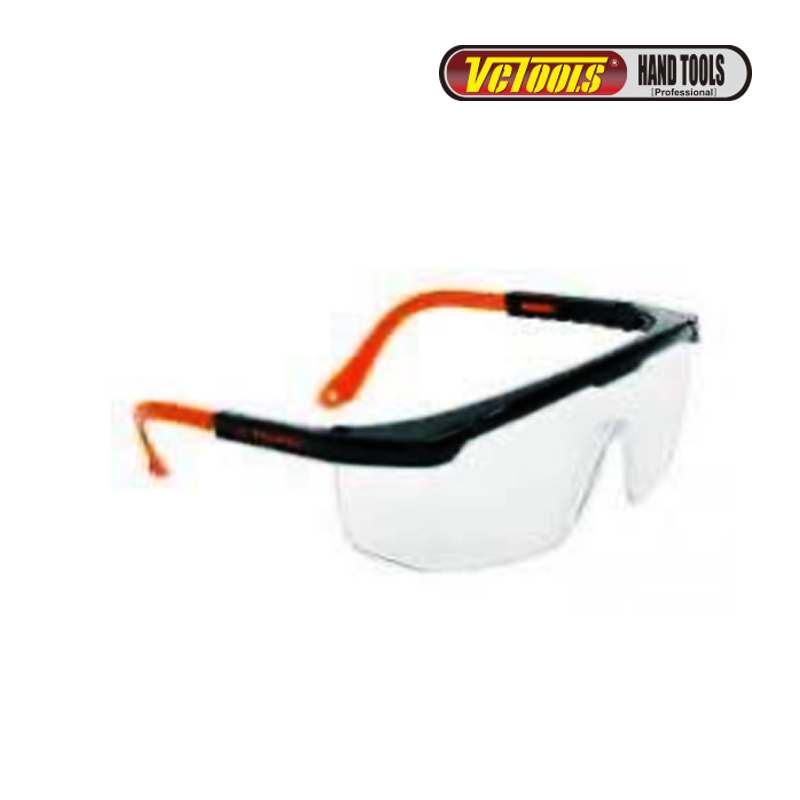
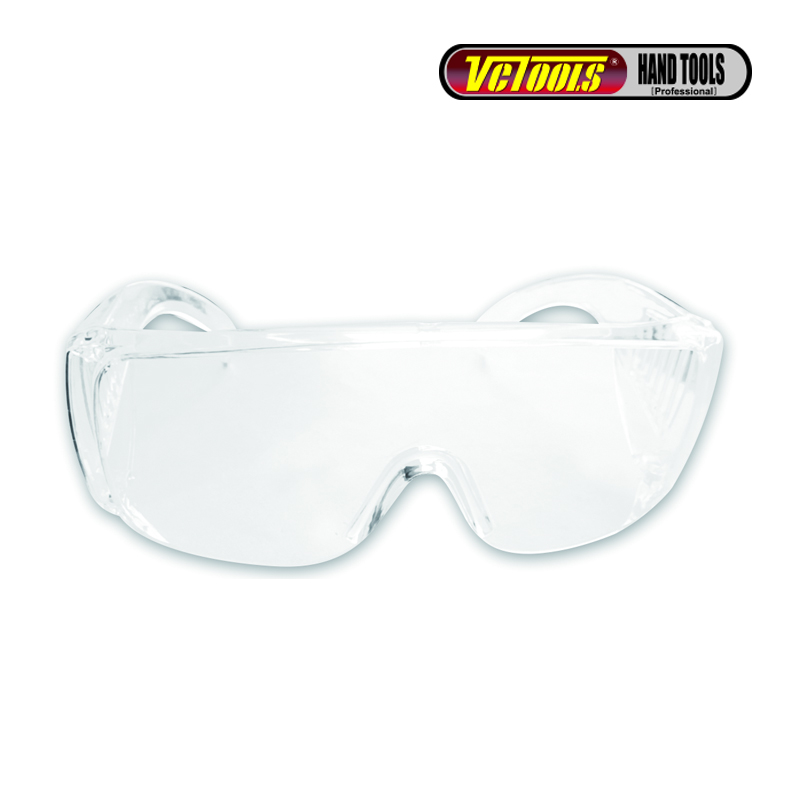
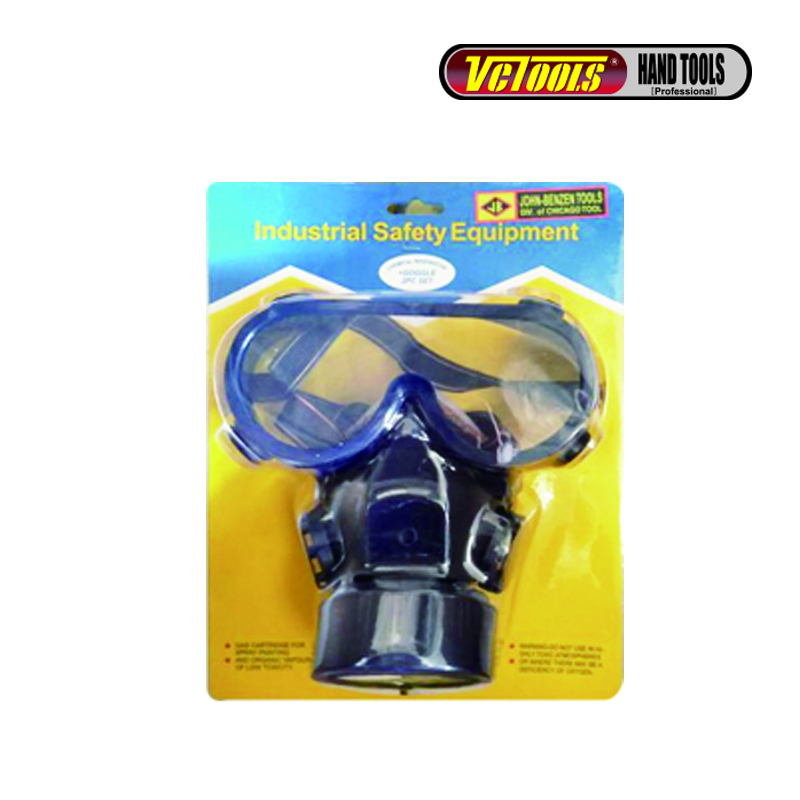
Eye Protection
Source bulk eye protection directly from vetted manufacturers and wholesale suppliers. Designed for importers, distributors, and safety brands seeking reliable OEM and private-label production, our network delivers compliant safety eyewear built for demanding industrial and commercial applications.
Sourcing industrial eye protection at scale requires balancing aggressive unit economics with non-negotiable optical and impact-resistance standards. Unlike standard apparel or basic hard goods, safety eyewear is a highly regulated category where a minor flaw in lens curvature or an inconsistent anti-fog coating can render an entire production run non-compliant and unsellable.
Material Selection and Optical Specifications
The foundation of any high-quality safety eyewear program is the lens material. While glass offers superior scratch resistance, it is heavy and shatters upon severe impact, making it unsuitable for most modern industrial applications.
Polycarbonate (PC) is the undisputed industry standard due to its exceptional impact resistance and lightweight profile. However, not all polycarbonate is equal. Buyers must specify optical-grade PC to ensure the final product meets Optical Class 1 standards, which guarantee continuous wear without causing eye fatigue or headaches.
| Material | Impact Resistance | Chemical Resistance | Primary Application |
|---|---|---|---|
| Polycarbonate (PC) | Exceptional | Fair | General industrial, high-impact |
| Acetate | Moderate | Excellent | Chemical handling, splash protection |
| Trivex | High | High | Premium optical clarity, lightweight |
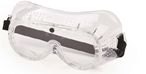
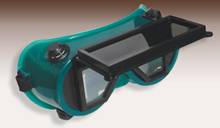
Beyond the base material, the frame construction typically utilizes TR90, nylon, or flexible PVC for goggles, ensuring durability and a secure fit across diverse facial profiles.
The Manufacturing Process: Where Quality is Won or Lost
The production of safety eyewear relies heavily on precision injection molding. The critical challenge during molding is controlling the cooling rate. If the polycarbonate cools too quickly or unevenly, it introduces internal stress and microscopic warping, leading to optical distortion (prismatic power errors).
Prevent optical distortion and coating failures before they happen. Let us manage your factory selection and production oversight.
Talk to our teamAdvanced Coating Technologies
Bare polycarbonate scratches easily and fogs instantly in humid environments. The application of functional coatings is often where low-tier suppliers fail.
- Anti-Scratch (Hard Coat): Typically a polysiloxane-based thermal or UV-cured resin applied via dip coating. The curing process must occur in a strict cleanroom environment to prevent dust encapsulation.
- Anti-Fog: Available as hydrophobic (water-repelling) or hydrophilic (water-absorbing) treatments. Premium anti-fog solutions are permanently bonded to the lens during manufacturing, rather than applied as a temporary topical spray.
Catching coating defects requires rigorous quality control and inspection during the production run, as post-production fixes are impossible.
Navigating Global Safety Standards
Importing eye protection requires strict adherence to regional safety standards. A supplier claiming "CE certified" or "ANSI compliant" is not enough; you must verify the specific testing parameters and ensure the factory holds valid, verifiable documentation from recognized third-party labs.
Critical Compliance Verifications
- ANSI Z87.1 (US): Verify testing for both high-mass and high-velocity impact (marked as Z87+).
- EN 166 (EU): Confirm the specific optical class (1, 2, or 3) and mechanical strength ratings (F, B, or A).
- UV Protection: Ensure testing confirms UV400 standard (blocking 99 to 100 percent of UVA and UVB rays).
- Lab Credentials: Cross-reference the testing laboratory's accreditation to ensure the certificate is authentic.
Working with a partner who understands compliance and testing ensures your shipments won't be held at customs or expose your brand to liability.
Buying Mechanics: MOQs, Pricing, and Lead Times
When engaging factories for bulk safety eyewear, understanding their production constraints helps negotiate better terms. Standard off-the-shelf designs offer lower barriers to entry, while custom molds require significant upfront investment.
If you are developing proprietary designs, utilizing professional OEM/ODM services is crucial. A factory's engineering team must translate your CAD designs into moldable files that account for material shrinkage, ensuring the final lens fits securely into the frame without compromising impact resistance.
Ready to scale your safety eyewear program? We negotiate pricing, manage MOQs, and oversee production from end to end.
Get a free consultationFrequently Asked Questions
Securing a reliable supply chain for eye protection is about more than finding the lowest unit price; it is about mitigating risk at every stage of production. From verifying optical clarity to ensuring impact resistance, conducting thorough factory audits before placing your first PO is the most effective way to separate capable manufacturing partners from high-risk suppliers.
Get Sourcing Help for Eye Protection
Tell us your requirements and our experts will connect you with verified manufacturers.