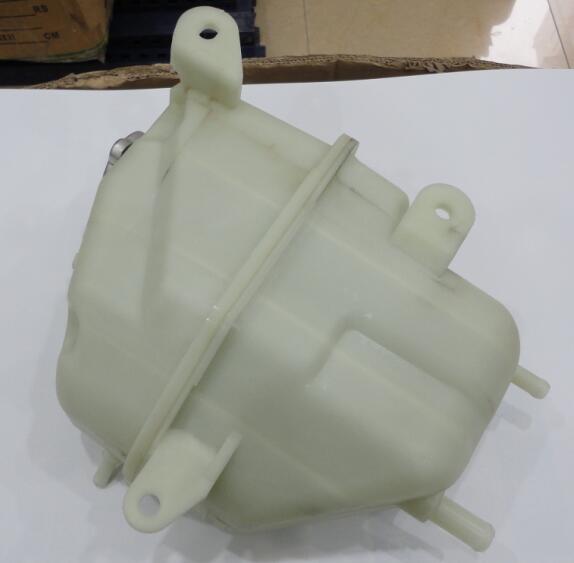
Expansion & Overflow Tanks
Source high-quality expansion and overflow tanks in bulk from vetted manufacturers and suppliers. Designed for automotive parts importers, wholesale distributors, and brands seeking reliable OEM or private-label production, our factory-direct sourcing ensures durable cooling system components built to rigorous industry standards.
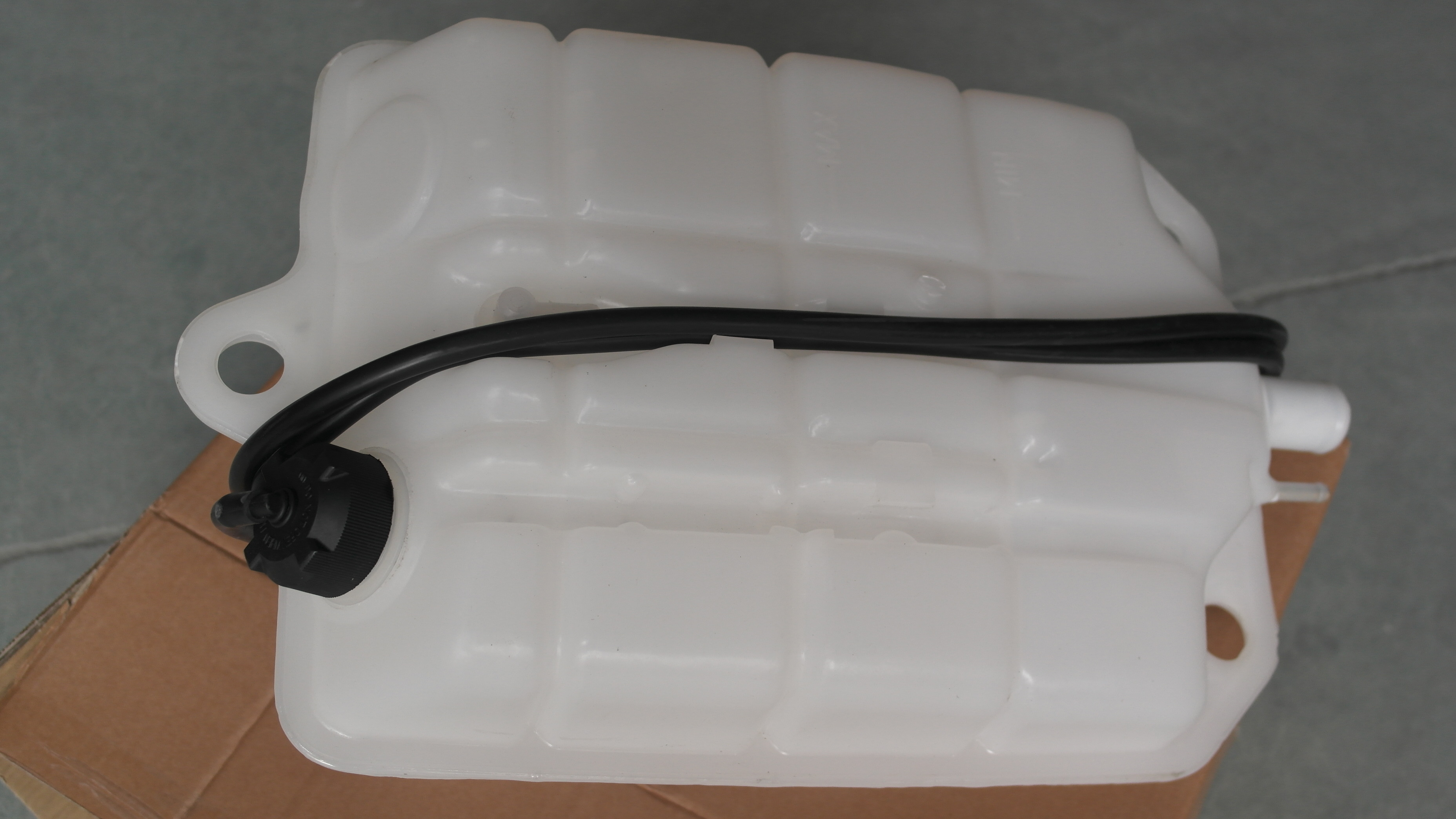
Expansion and overflow tanks are critical fail-safes in vehicle cooling systems, responsible for managing coolant volume expansion, purging trapped air, and maintaining system pressure. Sourcing these components in volume requires strict attention to material thermal stability, burst pressure ratings, and weld integrity. A failure at the tank seam or a warped sensor port compromises the entire engine cooling loop, leading to catastrophic overheating.
For wholesale buyers and aftermarket brands, navigating the supplier landscape means differentiating between factories that rely on precise ultrasonic welding and those cutting corners on polymer blends.
Material Specifications and Thermal Limits
The operating environment for an expansion tank is exceptionally harsh, characterized by constant thermal cycling, chemical exposure to glycol-based coolants, and sustained internal pressure. The choice of material dictates both the component's lifespan and its unit cost.
| Material | Typical Application | Thermal Limit |
|---|---|---|
| PA66-GF30 (Glass-Filled Nylon) | Pressurized expansion tanks (European/Modern US) | Up to 150°C |
| PP (Polypropylene) | Atmospheric overflow bottles (Asian/Legacy) | Up to 105°C |
| Aluminum (TIG Welded) | Heavy-duty commercial, performance aftermarket | Over 200°C |
When sourcing pressurized tanks, PA66-GF30 is the industry standard. However, some lower-tier manufacturers may attempt to use recycled nylon or reduce the glass fiber content to save costs, which severely impacts the tank's burst strength. Verifying raw material certificates during factory audits is a mandatory step before committing to a high-volume production run.
Manufacturing Process and Quality Control
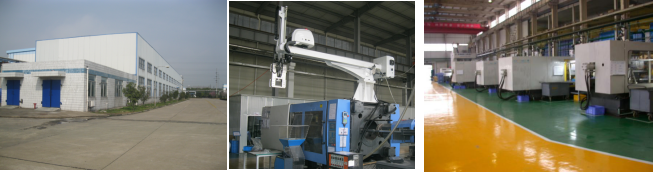
Most plastic expansion tanks are manufactured in two halves via injection molding, which are then joined together. The integrity of this joint is the most common point of failure.
Injection Molding
The upper and lower tank halves are molded. Strict temperature control is required to prevent warping, which would misalign the joining surfaces.
Vibration or Hot Plate Welding
The halves are fused. Hot plate welding is common for complex geometries, while vibration welding offers faster cycle times and highly consistent seam strength.
Port and Insert Assembly
Brass inserts for mounting and threaded necks for pressure caps are integrated, often requiring secondary ultrasonic insertion to ensure a leak-proof seal.
Automated Leak Testing
100% of units should undergo pneumatic decay testing on the line to verify seam and port integrity before packaging.
Ensure your cooling system components are manufactured to strict pressure and thermal standards. Let us handle the factory vetting and technical negotiations.
Talk to our teamCritical Inspection Points
Relying solely on a supplier's internal testing is risky. Implementing independent quality control inspections ensures that the tanks perform under real-world stress.
Pre-Shipment Inspection Focus Areas
- Burst Pressure Testing: Sample units must withstand pressures at least 1.5 to 2 times the standard operating pressure (typically tested up to 3.0 bar).
- Thermal Shock Testing: Cycling the tank between extreme hot and cold to check for micro-cracking at the weld seams.
- Cap Thread Tolerance: Go/No-Go gauge testing on the filler neck to ensure the pressure cap seals perfectly.
- Sensor Port Alignment: Verifying that integrated coolant level sensors fit securely without O-ring pinching.
Pricing, MOQs, and Lead Times
Sourcing expansion tanks directly from manufacturers offers significant margin improvements, but requires understanding typical production minimums and tooling investments, especially if you are developing custom OEM/ODM services for specific vehicle platforms.
Unit pricing is highly sensitive to the raw material index (particularly PA66) and currency fluctuations. Standard PP overflow bottles can cost a fraction of a complex, multi-chambered PA66-GF30 expansion tank with integrated sensor ports.
Looking for competitive factory-direct pricing on custom or aftermarket expansion tanks? We can help you structure your next high-volume order.
Get a free consultationFrequently Asked Questions
Successfully sourcing expansion and overflow tanks at scale means moving beyond simple unit-price comparisons. By partnering with manufacturers who maintain strict material controls and robust welding processes, you protect your brand from costly warranty claims and ensure reliable performance in the field.
Get Sourcing Help for Expansion & Overflow Tanks
Tell us your requirements and our experts will connect you with verified manufacturers.