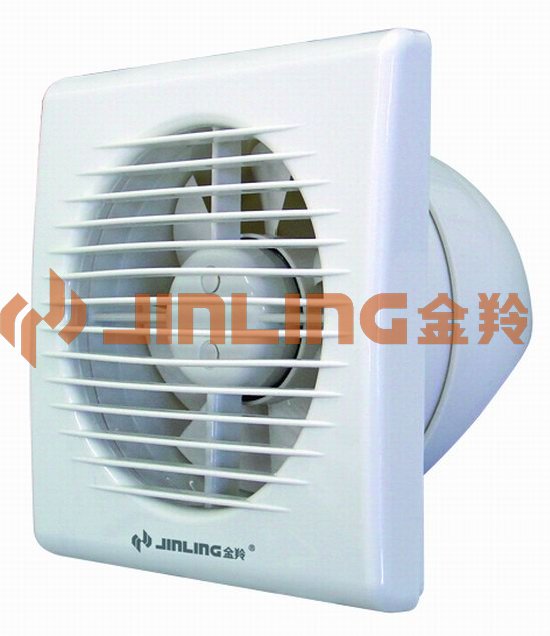
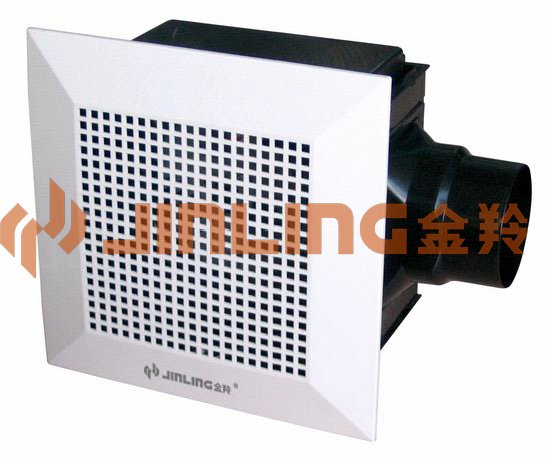
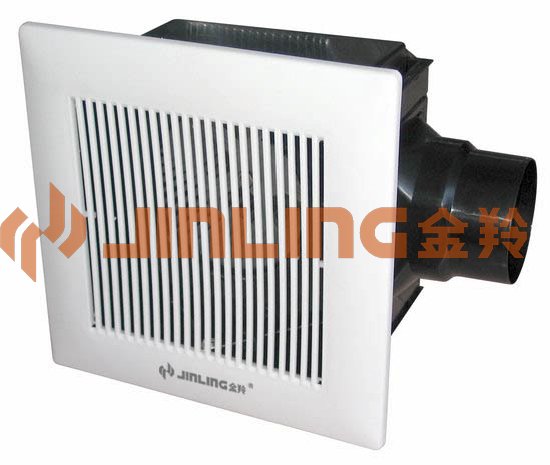
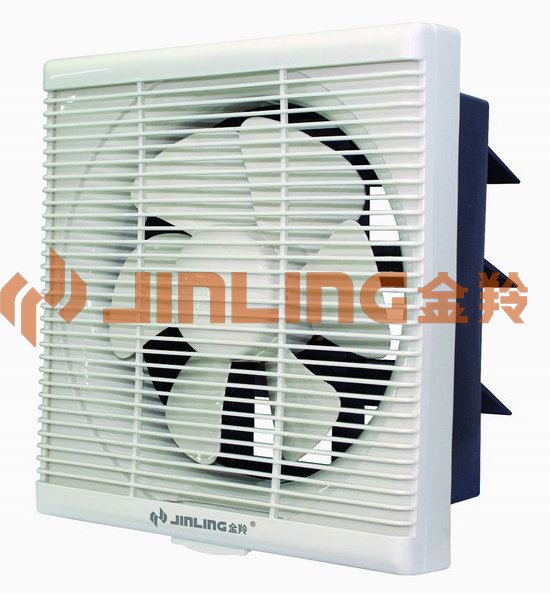
Exhaust Fans
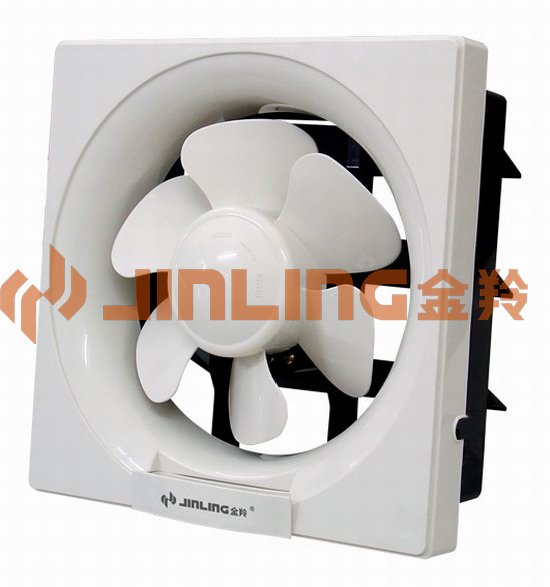
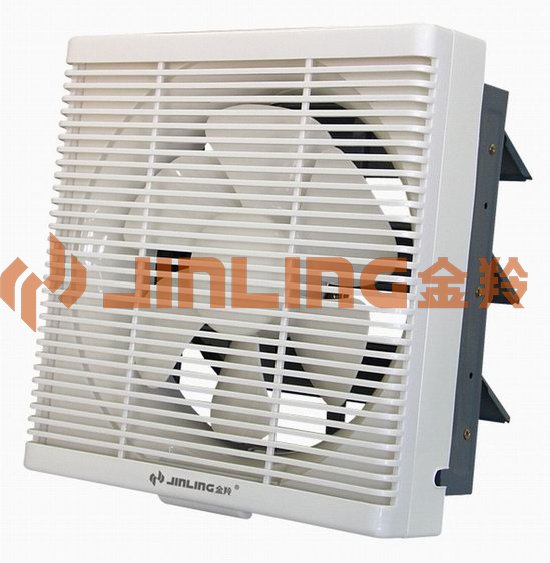
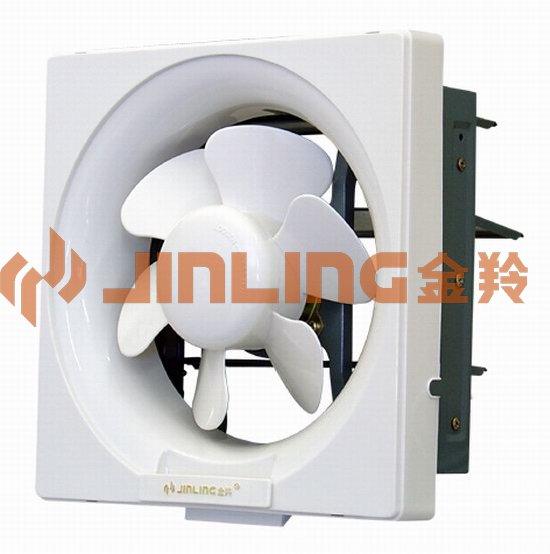
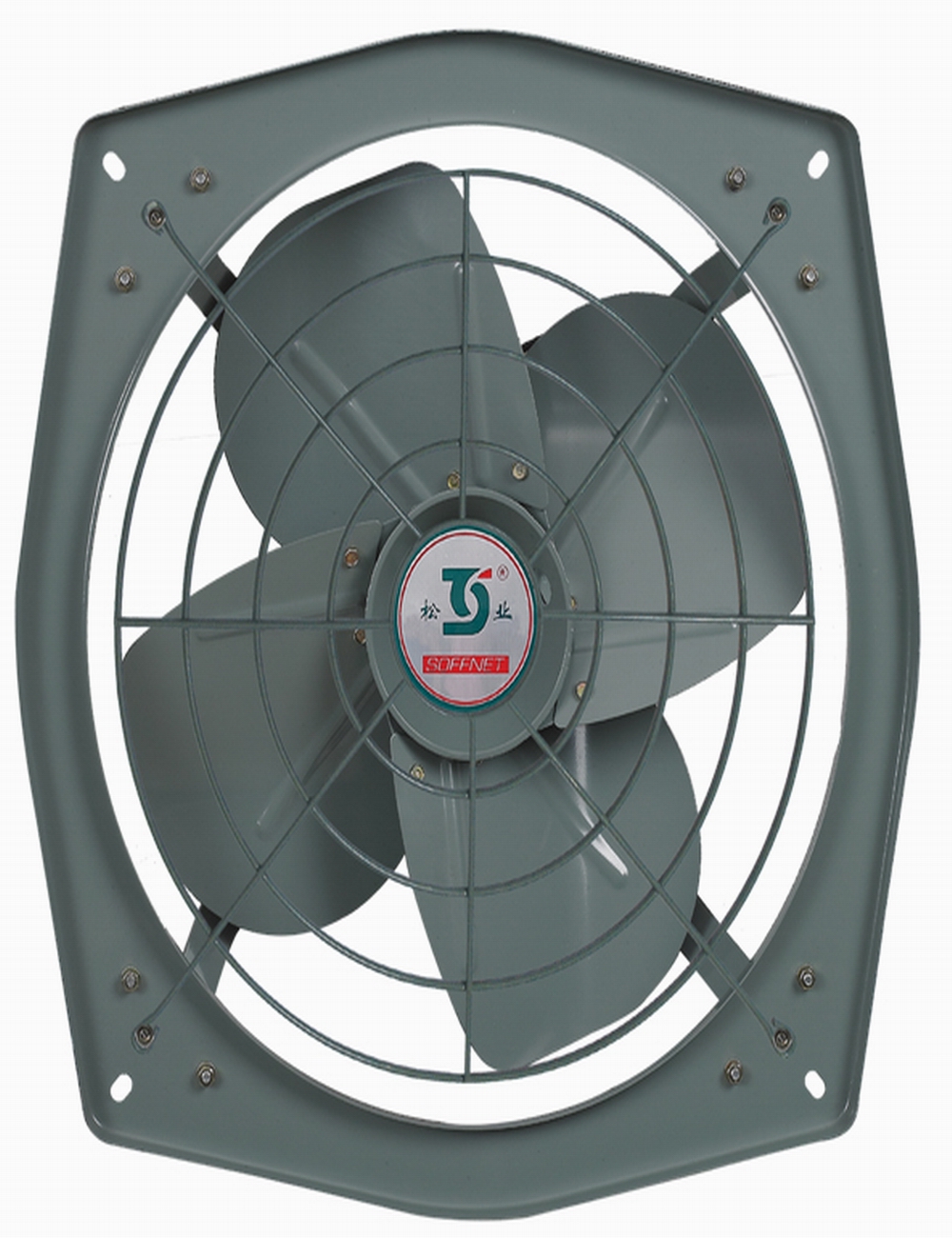
Source high-performance exhaust fans in bulk from vetted manufacturers and suppliers across Asia. Built for importers, distributors, and brands requiring reliable OEM and private-label production, our network delivers compliant ventilation solutions engineered for residential, commercial, and industrial markets.
Sourcing exhaust fans in volume requires balancing three competing variables: airflow performance (CFM), acoustic output (sones or decibels), and manufacturing cost. When buying direct from overseas factories, the difference between a premium product and a high-defect liability often comes down to the quality of the motor windings, the precision of the rotor balancing, and the supplier's internal testing capabilities.
Core Specifications for Mass Production
When specifying exhaust fans for a production run, generic requests yield inconsistent results. Factories need precise technical requirements to accurately price and build your units.
- Airflow and Static Pressure: Airflow is measured in Cubic Feet per Minute (CFM) or cubic meters per hour (m³/h). However, CFM must be specified against a specific static pressure (typically 0.1 or 0.25 inches of water gauge for residential models). A fan that moves 100 CFM in free air may drop to 50 CFM when connected to ductwork if the blade pitch and motor torque are inadequate.
- Acoustic Performance: Noise is measured in sones (common in North America) or decibels (dB). Achieving ultra-quiet operation (under 1.0 sone) requires precise dynamic balancing of the impeller and high-quality motor bearings.
- Motor Technology: The motor is the most expensive component and dictates the fan's lifespan and energy efficiency.
| Motor Type | Efficiency | Noise Level | Typical Application |
|---|---|---|---|
| Standard AC (Shaded Pole) | Low to Moderate | Higher (2.0+ Sones) | Budget residential, high-volume wholesale |
| Capacitor-Start AC | Moderate | Moderate (1.5 - 3.0 Sones) | Mid-tier commercial and residential |
| BLDC / EC | High (Energy Star capable) | Ultra-low (under 1.0 Sone) | Premium OEM lines, smart home ecosystems |
Manufacturing Risks and Quality Control
The primary manufacturing hubs for exhaust fans are concentrated in Guangdong and Zhejiang provinces in China. While the supply chain is mature, quality varies wildly depending on a factory's vertical integration. Facilities that wind their own motors and inject their own plastics generally offer better consistency than pure assembly workshops.
Before committing to a high-volume order, conducting rigorous factory audits is essential to verify the supplier's actual production capacity and their in-house testing equipment (such as acoustic chambers and wind tunnels).
Need to verify a fan manufacturer's capability? We audit factories and validate their engineering standards before you place an order.
Talk to our teamCritical QC Checkpoints
Defects in exhaust fans often manifest as excessive vibration, premature motor failure, or electrical safety hazards. Implementing strict Quality Control & Inspection protocols during and after production is non-negotiable.
Factory-Floor Testing Requirements
- Dynamic rotor balancing to prevent vibration and premature bearing wear.
- Hipot (Dielectric Withstand) testing on 100 percent of assembled motors to ensure electrical safety.
- Airflow (CFM) and static pressure verification using a calibrated wind tunnel on batch samples.
- Acoustic chamber testing to verify sone/decibel ratings match your approved specifications.
- Housing drop-tests and plastic stress evaluations to prevent transit damage.
Compliance and Market Certifications
Exhaust fans are heavily regulated electrical appliances. Importing non-compliant units can result in customs seizures or severe liability. North American markets require UL or ETL listing, and often HVI (Home Ventilating Institute) certification if you intend to market performance claims or seek Energy Star ratings. European markets require CE marking and RoHS compliance.
If your supplier claims to hold these certifications, the exact model numbers must be verified against the testing laboratory's database. For modified or custom designs, you will need to budget for new Compliance & Testing processes.
Buying Mechanics: MOQ, Pricing, and Lead Times
Unit costs are highly sensitive to raw material prices (copper for motor windings, steel, and plastics) and the specific motor technology chosen.
If you are developing a proprietary product line, leveraging established OEM/ODM Services allows you to utilize a factory's existing motor platforms while customizing the grille design, housing, or smart-control features (like humidity sensors or timers) to differentiate your brand.
Ready to scale your ventilation product line? We manage the entire sourcing, negotiation, and quality control process.
Get a free consultationFrequently Asked Questions
Successful exhaust fan sourcing is about total cost of ownership, not just the lowest FOB price. A poorly wound motor or an unbalanced impeller will cost far more in returns and brand damage than the few dollars saved on the assembly line. By partnering with factories that possess robust in-house engineering and testing capabilities, you secure a reliable, compliant product line that performs exactly as specified.
Get Sourcing Help for Exhaust Fans
Tell us your requirements and our experts will connect you with verified manufacturers.