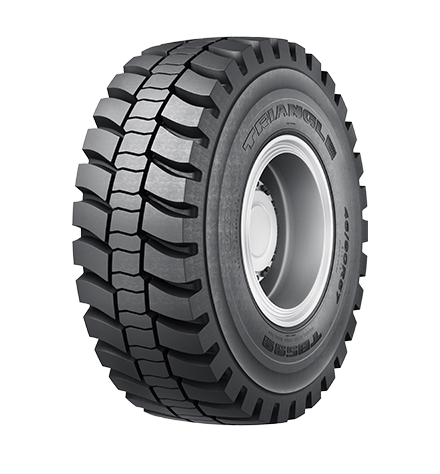
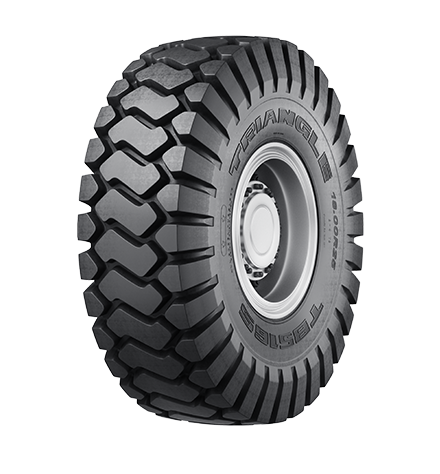
Excavator Tires
Source premium excavator tires from vetted manufacturers and wholesale suppliers across Asia. Designed for heavy equipment distributors, industrial importers, and construction brands requiring OEM production, our bulk sourcing solutions ensure high durability, rigorous quality control, and optimized landed costs for off-the-road (OTR) applications.
Sourcing excavator tires in volume requires balancing upfront unit costs with the severe operational demands of construction, demolition, and mining environments. The primary challenge for bulk buyers lies in verifying that a manufacturer's rubber compounding and vulcanization processes actually match their claimed specifications for load capacity, cut resistance, and tread life.
Critical Specifications for Excavator Tires
Off-the-road (OTR) tires for excavators fall into two primary structural categories: pneumatic (bias or radial) and solid. Specifying the correct build depends heavily on the end-user's application, but as a buyer, you must ensure the factory can accurately control the natural rubber (NR) to synthetic rubber (SBR) ratio. High-NR compounds offer better tear resistance, while SBR improves abrasion resistance and aging.
| Specification | Pneumatic (Bias/Radial) | Solid Rubber |
|---|---|---|
| Primary Application | General construction, varied terrain | Scrap yards, demolition, severe hazards |
| Puncture Resistance | Moderate to High (depends on ply) | Absolute (puncture-proof) |
| Operator Comfort | High (shock absorption) | Low (rigid structure) |
| Manufacturing Complexity | High (bead wire, casing, inflation) | Moderate (layered bonding, curing) |
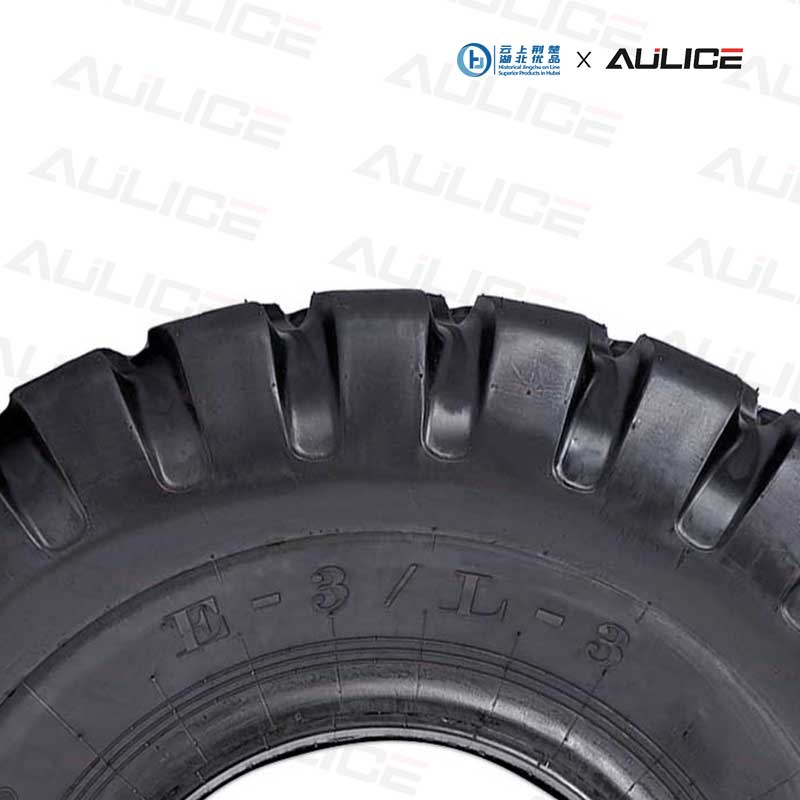
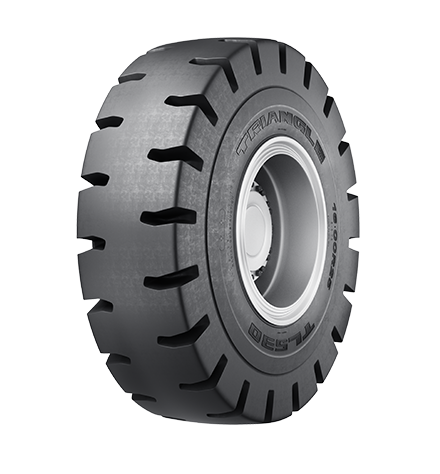
Tread patterns are equally critical. You will typically specify L-2 (traction), L-3 (rock), L-4 (deep rock), or L-5 (extra deep rock). An L-5 tire has 150 percent of the tread depth of an L-3, requiring significantly longer curing times during manufacturing. If a factory rushes the curing cycle to increase throughput on L-5 tires, the core of the tire will remain under-cured, leading to catastrophic chunking in the field.
Need help verifying a factory's technical capabilities and curing processes before placing a bulk order?
Talk to our teamManufacturing Realities and Quality Control
The durability of an excavator tire is won or lost on the factory floor, specifically during mixing, calendering, and vulcanization. Many lower-tier suppliers cut costs by using high percentages of reclaimed rubber or cheap carbon black fillers. This drastically reduces the tire's tensile strength and elongation at break.
When evaluating a new supplier, robust Factory Audits are essential to verify their machinery. Look for internal mixers with precise temperature controls and modern curing presses.
Key Factory-Level Quality Checks
- Verify the source and grade of raw natural rubber (e.g., STR20 or RSS3).
- Inspect bead wire wrapping and apex construction for pneumatic tires.
- Check vulcanization logs to ensure curing times match the tread depth (especially for L-4 and L-5).
- Ensure the factory utilizes X-ray inspection to detect internal voids or casing separations.
- Review batch testing records for abrasion resistance and tensile strength.
Pre-shipment inspection is non-negotiable for OTR tires. Implementing strict Quality Control & Inspection protocols ensures that tires are checked for surface defects, proper bead seating, and accurate weight. A tire that weighs significantly less than the approved golden sample is a clear indicator that the manufacturer has skimped on raw materials.
Pricing, MOQs, and Logistics
Excavator tires are heavy, high-volume products, making logistics just as critical as the unit price. Pricing is highly sensitive to the global commodities market, specifically natural rubber and crude oil (which dictates synthetic rubber and carbon black prices).
Because OTR tires take up substantial cubic volume, shipping empty air is a common and expensive mistake. Buyers typically order in full container loads (FCL), often mixing sizes to optimize container space. Smaller tires can sometimes be "doubled" or nested inside larger ones, provided the factory has the specialized hydraulic equipment to do so without damaging the bead. Coordinating this requires experienced Shipping & Freight management to ensure landed costs remain competitive.
Optimize your OTR tire supply chain, from factory floor negotiations to container loading and freight forwarding.
Get a free consultationFrequently Asked Questions
Successfully sourcing excavator tires in bulk is about looking past the quoted unit price and understanding the factory's compounding chemistry, curing discipline, and container loading efficiency. A cheap tire that fails on a mining site costs far more in downtime than the initial savings. Focus on rigorous supplier vetting and strict pre-shipment testing to protect your brand and your bottom line.
Get Sourcing Help for Excavator Tires
Tell us your requirements and our experts will connect you with verified manufacturers.