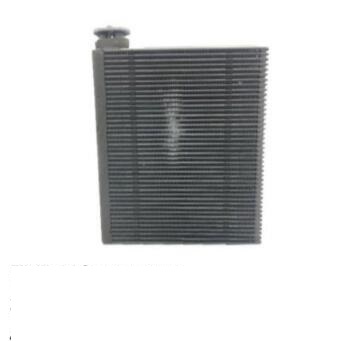
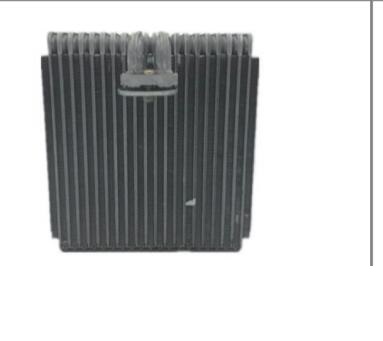
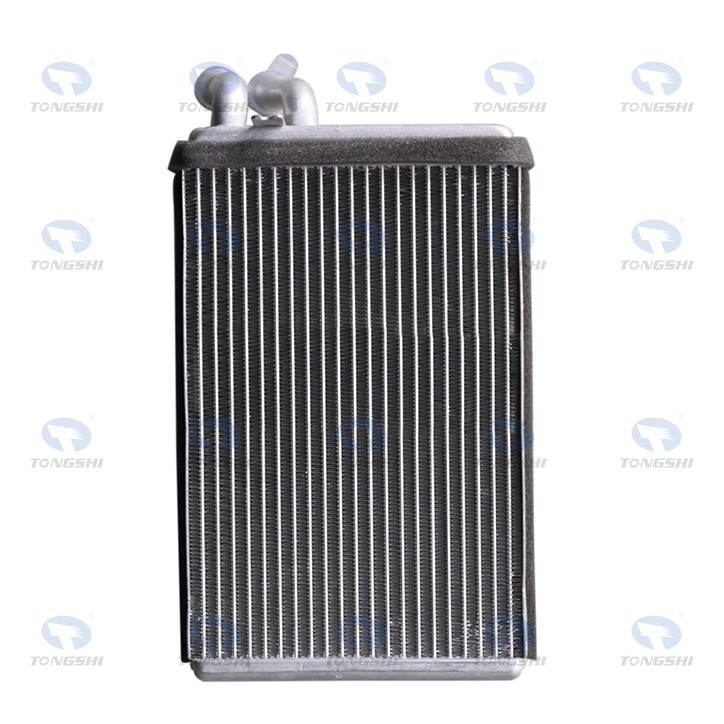
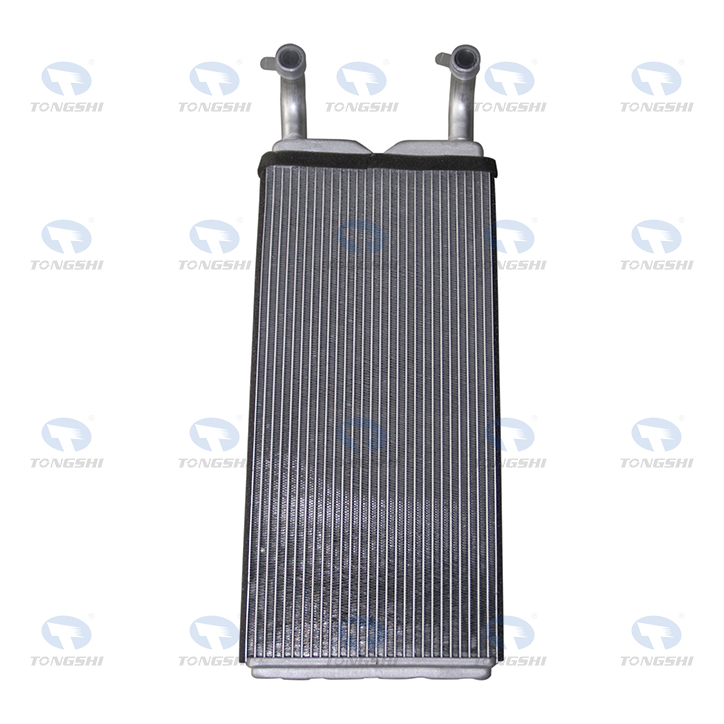
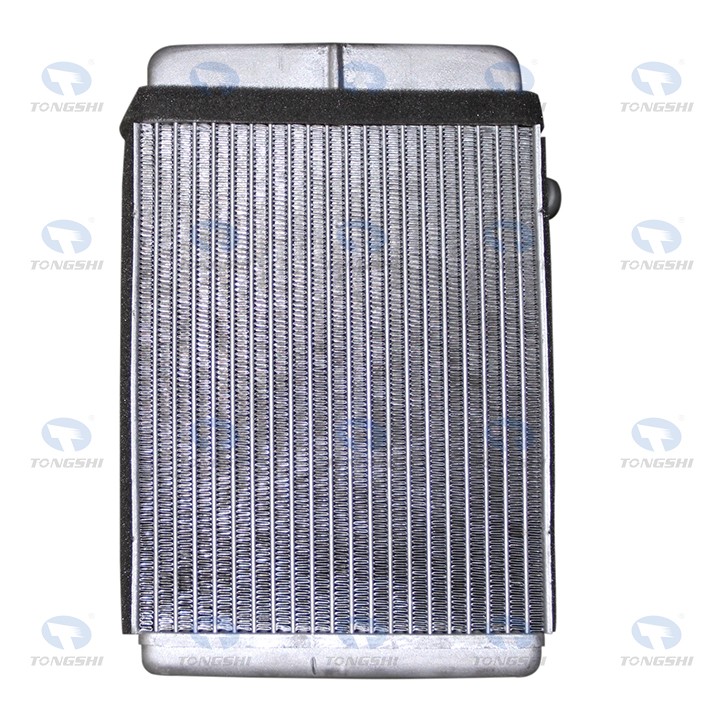
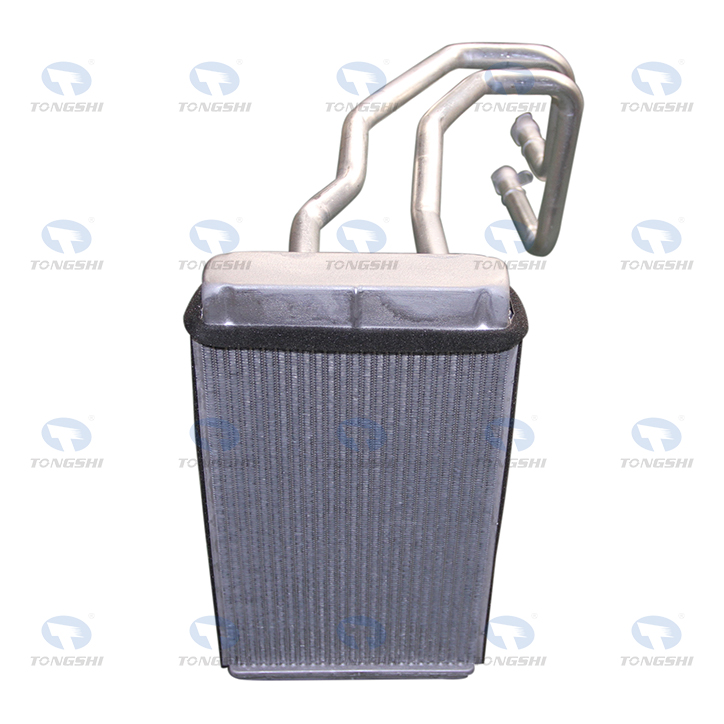
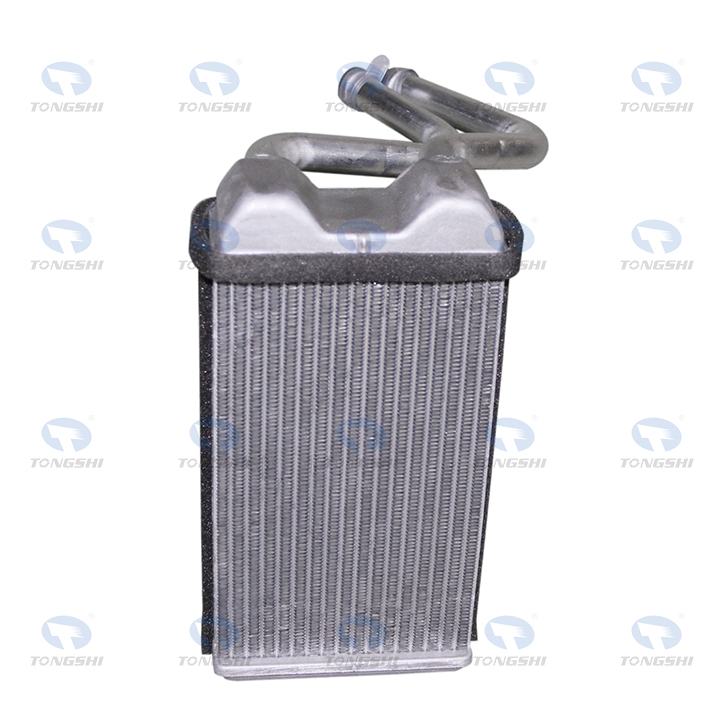
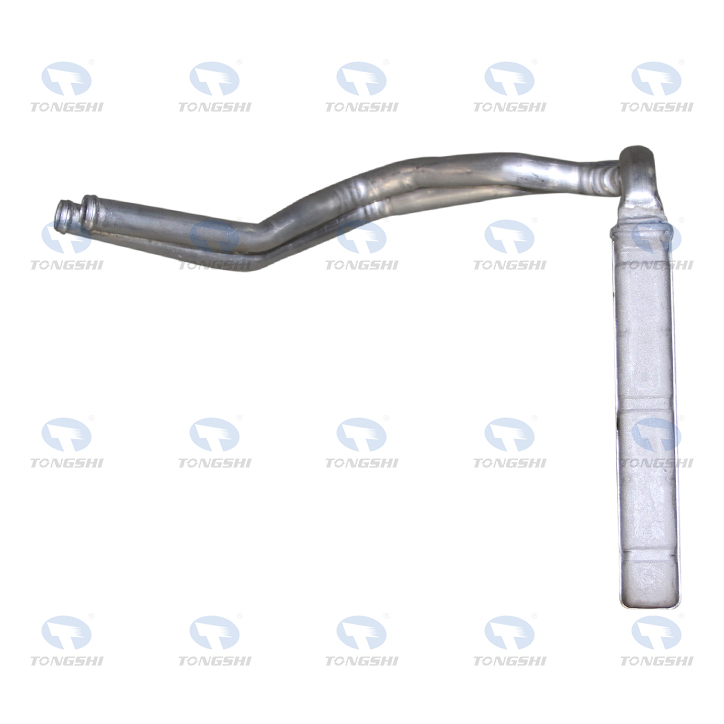
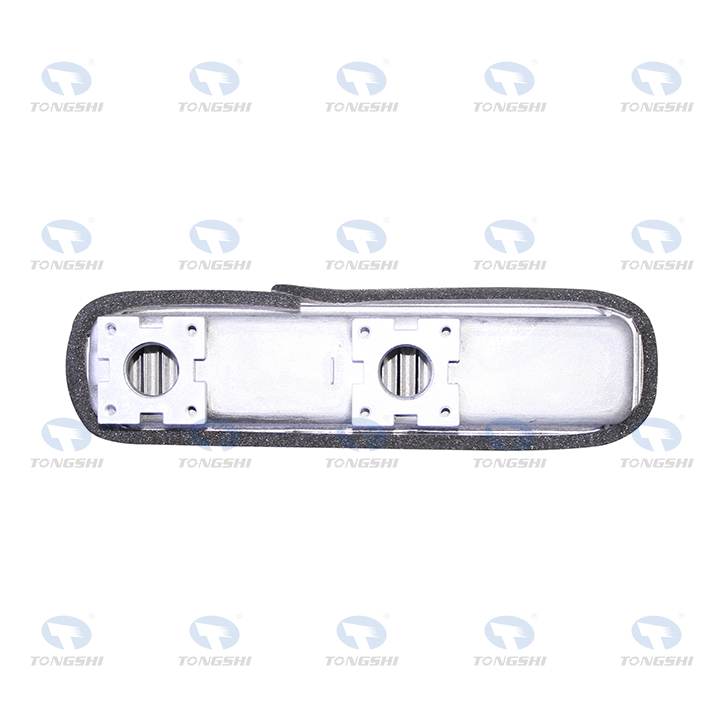
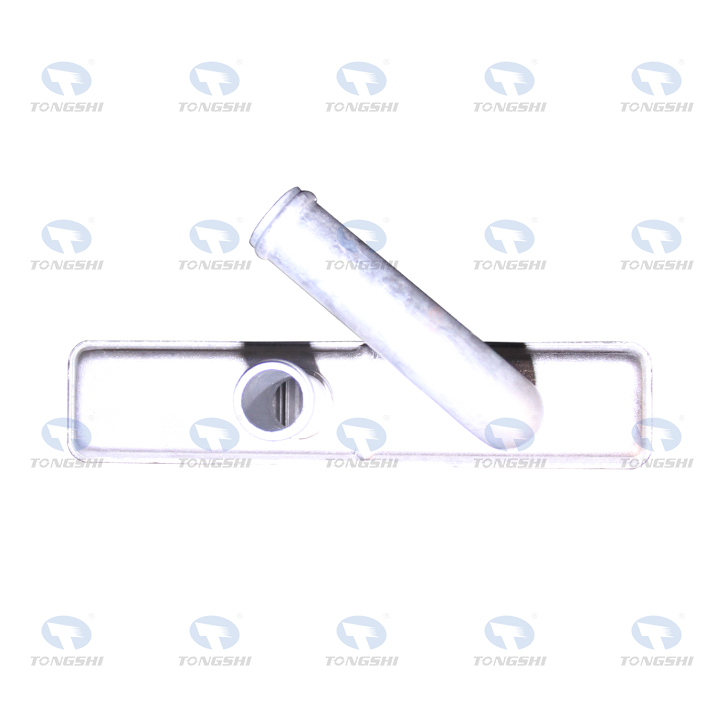
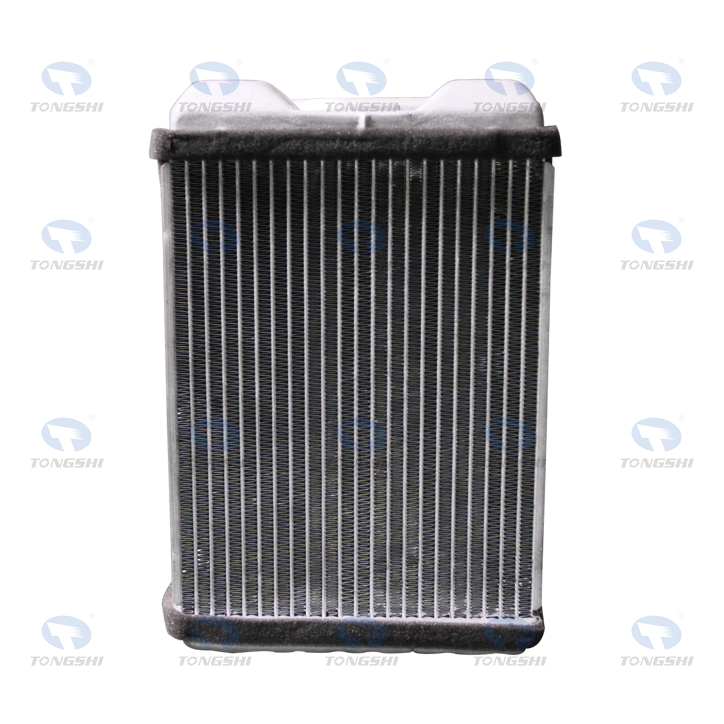
Evaporators
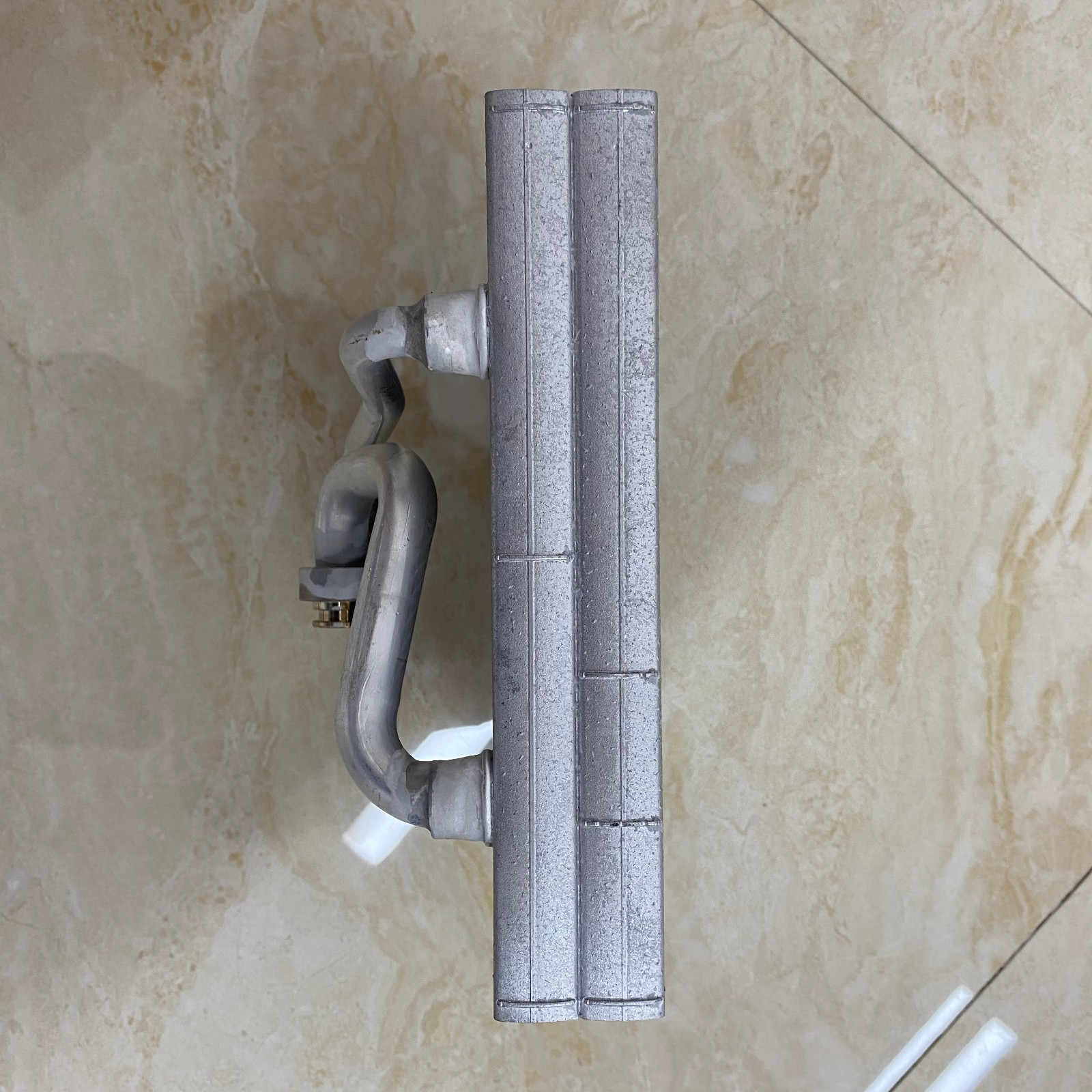
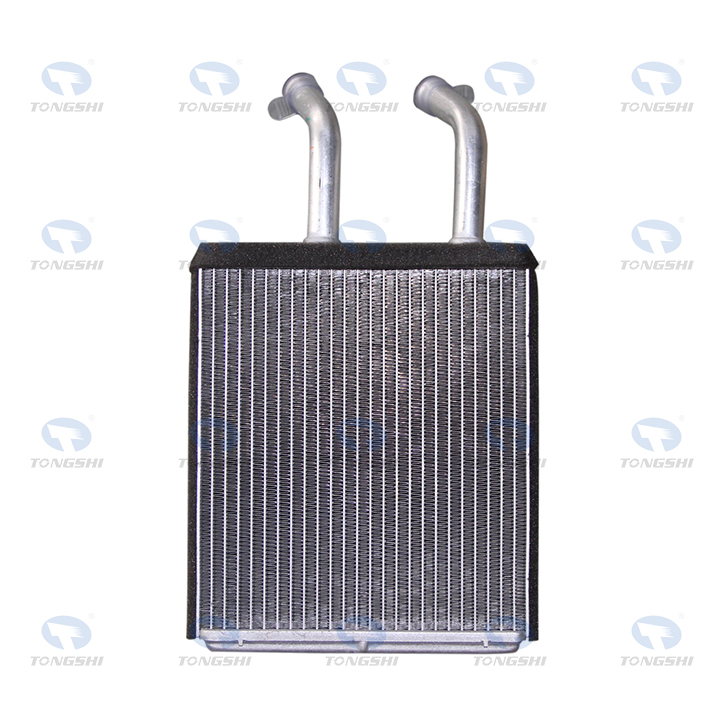
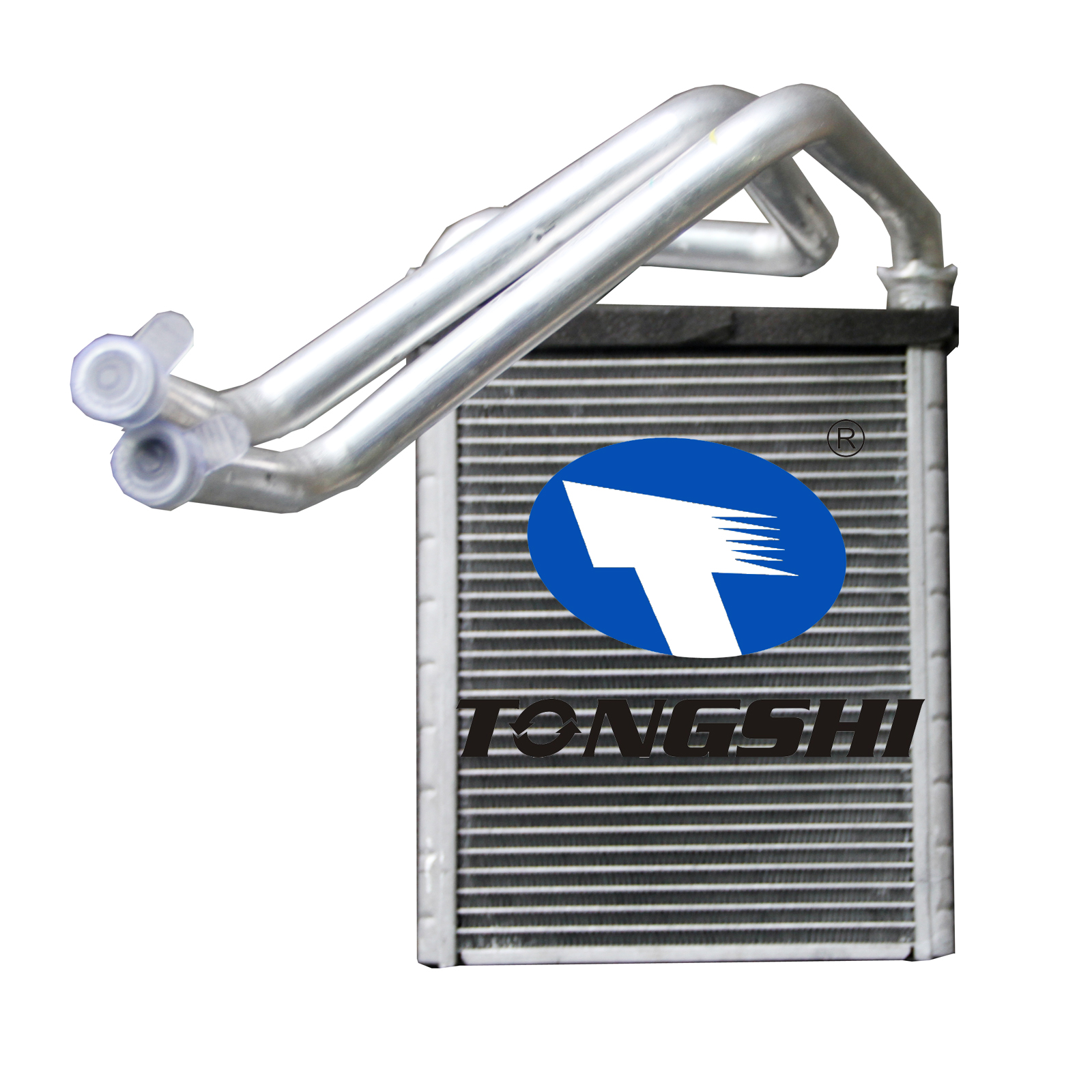
Source high-quality automotive AC evaporators in bulk from vetted manufacturers and suppliers in China and across Asia. Designed for importers, distributors, and brands seeking reliable OEM production, our network delivers strict quality control, competitive wholesale pricing, and dependable supply chains.
Automotive AC evaporators are critical heat exchangers that operate in demanding, high-vibration environments. When sourcing these components in volume, the primary challenge is identifying manufacturers capable of delivering consistent heat transfer efficiency while maintaining zero-defect leak rates. A supplier's capability is largely defined by their brazing technology, tooling precision, and end-of-line testing protocols.
Core Specifications and Design Types
Selecting the right evaporator requires matching the core design to the vehicle's cooling load and packaging constraints. Modern automotive applications almost exclusively use aluminum alloys due to their optimal balance of weight, thermal conductivity, and corrosion resistance.
| Design Type | Heat Transfer Efficiency | Internal Pressure Drop | Primary Application |
|---|---|---|---|
| Parallel Flow (Micro-channel) | Exceptional | Low | Modern passenger vehicles, compact HVAC units |
| Serpentine | Moderate | Moderate | Legacy aftermarket, specific heavy-duty applications |
| Plate and Fin | High | Moderate to High | Commercial vehicles, agricultural machinery |
When defining your technical requirements with a factory, you must specify:
- Fin Density: Usually measured in Fins Per Inch (FPI). Higher density improves heat transfer but increases air-side pressure drop and susceptibility to clogging.
- Core Depth: Directly correlates to cooling capacity.
- Alloy Grades: Typically 3000-series aluminum for extruded tubes and 4000-series (with silicon) for the cladding to facilitate brazing.
- Surface Treatment: Hydrophilic coatings are often required to prevent condensation buildup, which can lead to mold and cabin odors.
Need to evaluate a manufacturer's technical capabilities? We help buyers verify factory tooling and engineering standards before committing to bulk orders.
Talk to our teamManufacturing Process and Quality Vulnerabilities
The reliability of an evaporator is won or lost in the brazing furnace. Most high-quality manufacturers utilize Controlled Atmosphere Brazing (CAB). If the furnace temperature profile is not perfectly uniform, or if the flux application is inconsistent, the result is micro-leaks or weak joints that will fail under vehicle vibration.
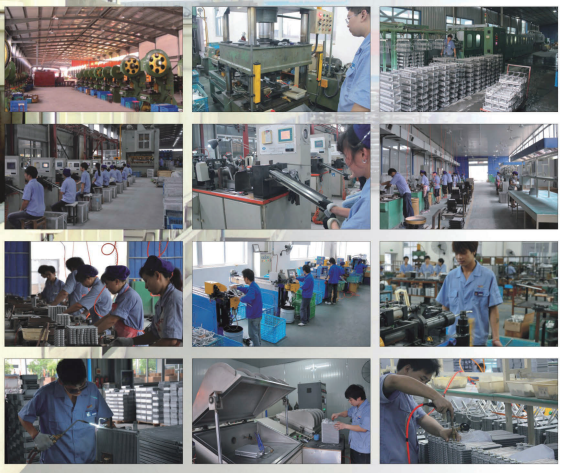
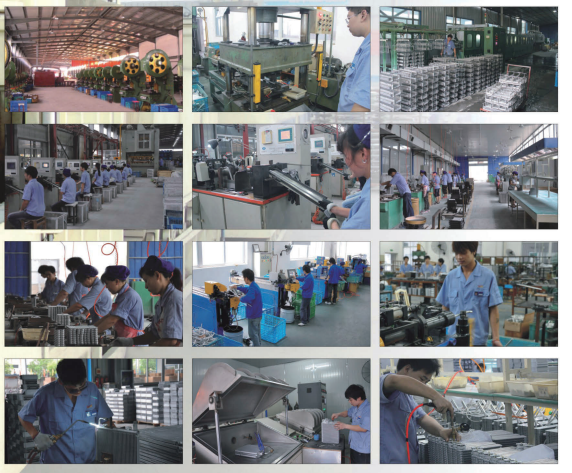
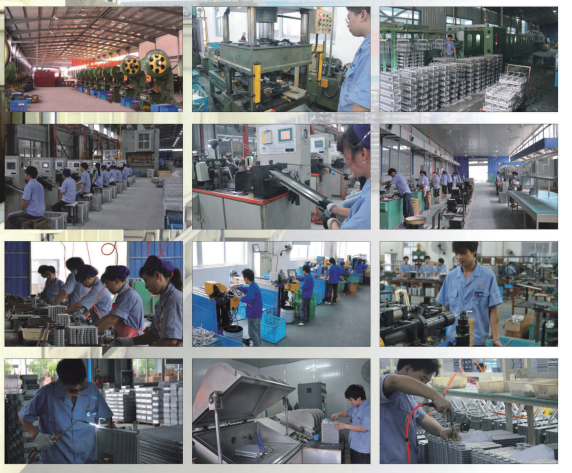
Verifying a supplier's manufacturing process requires looking beyond the showroom. Conducting thorough factory audits is essential to confirm that the supplier maintains strict calibration logs for their CAB furnaces and employs automated flux application systems.
Essential Quality Control Checks
Relying solely on visual inspection is insufficient for evaporators. A robust quality control protocol must include rigorous functional and structural testing.
Critical Evaporator QC Protocols
- Helium Mass Spectrometry: The gold standard for leak detection, capable of detecting micro-leaks under 1 gram per year.
- Burst Pressure Testing: Ensuring the core can withstand pressure spikes well beyond normal operating ranges.
- Thermal Cycle Testing: Simulating the expansion and contraction of the core to verify joint integrity.
- Vibration Resistance: Multi-axis shaker table testing to simulate road conditions and validate bracket welds.
- Coating Adhesion: Cross-hatch testing on hydrophilic coatings to ensure long-term durability.
Pricing, MOQs, and Production Realities
The cost of sourcing evaporators is heavily influenced by aluminum commodity prices, the complexity of the core design, and tooling requirements. Standard aftermarket replacements for popular vehicle models benefit from existing tooling, lowering the barrier to entry. Conversely, developing custom units for new applications via OEM/ODM services requires upfront investment in fin rollers and stamping dies.
Refrigerant Compatibility
With the global shift from R134a to R1234yf, operating pressures and flammability risks have changed. Ensure your supplier's testing protocols are certified for the specific refrigerant your market requires, as R1234yf demands significantly stricter leak tolerances.
Looking to consolidate your automotive AC supply chain? Let us negotiate MOQs, manage tooling development, and oversee production quality on your behalf.
Get a free consultationFrequently Asked Questions
Sourcing automotive evaporators successfully requires a deep understanding of thermal engineering and brazing metallurgy. By focusing on suppliers with validated CAB processes and uncompromising end-of-line helium testing, buyers can eliminate warranty claims and secure a reliable supply of high-performance components.
Get Sourcing Help for Evaporators
Tell us your requirements and our experts will connect you with verified manufacturers.